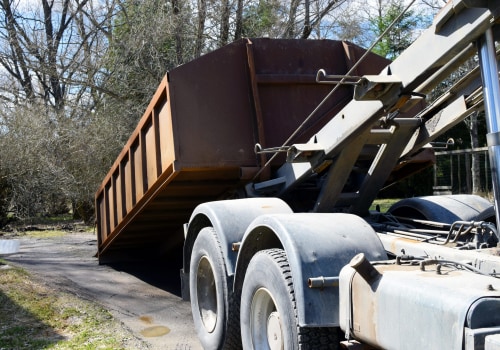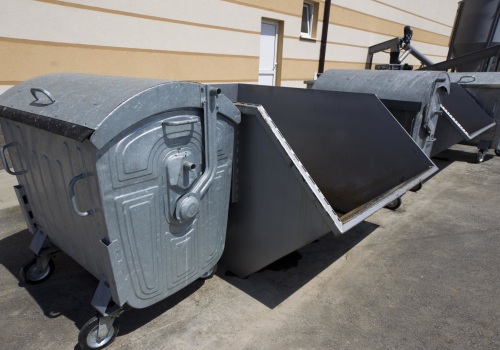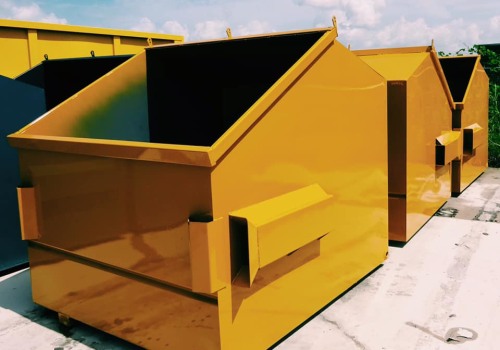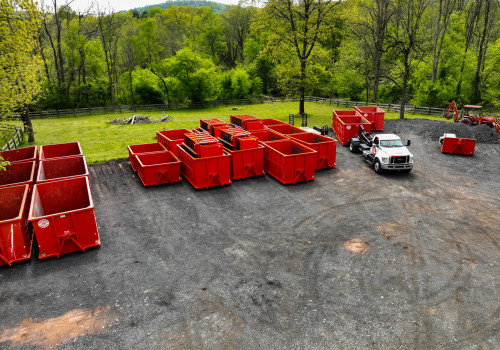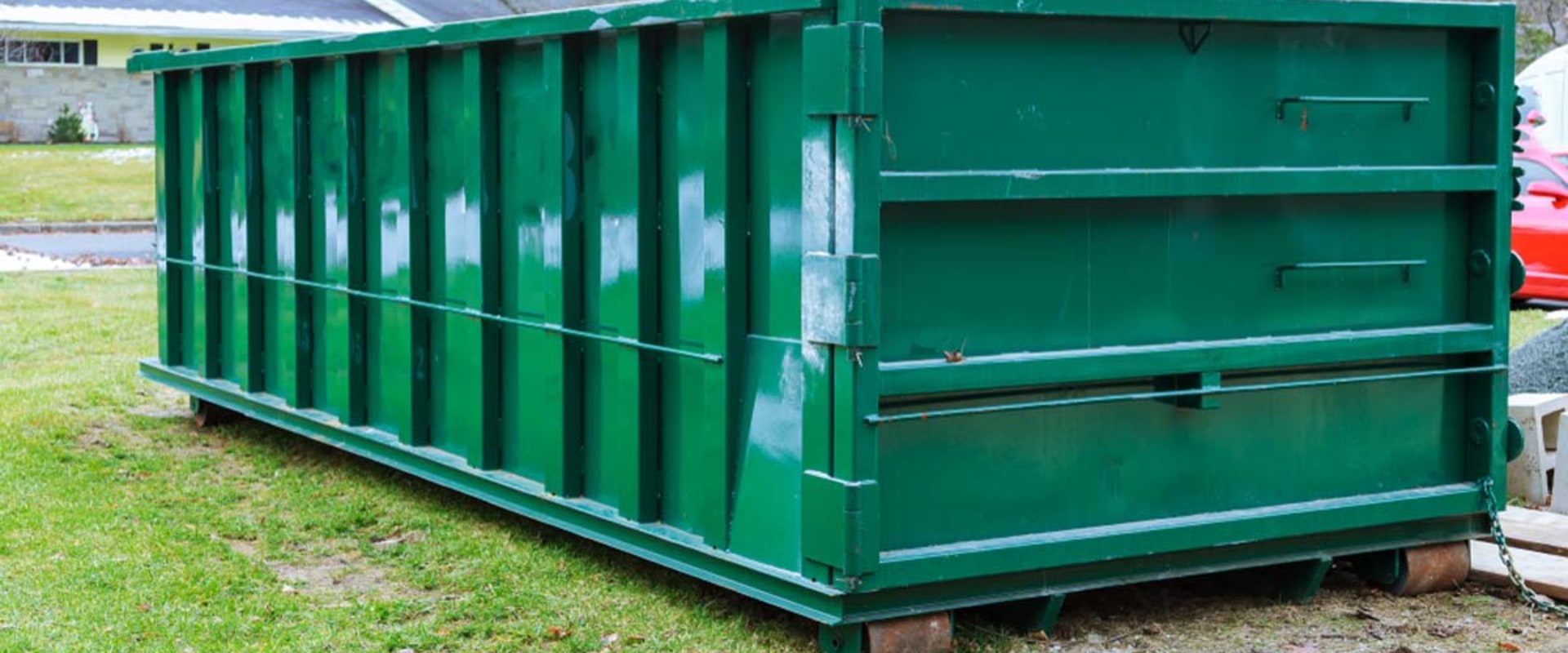
When embarking on a home renovation, construction project, or even a significant cleanout, the need for efficient waste disposal becomes paramount. In New Jersey, dumpster rentals serve as a vital solution for managing debris and unwanted materials. These rentals not only streamline the cleanup process but also ensure that waste is disposed of in an environmentally responsible manner. Additionally, considering options like public transportation can help in reducing the overall impact of your project on the environment. serve as a vital solution for managing debris and unwanted materials. These rentals not only streamline the cleanup process but also ensure that waste is disposed of in an environmentally responsible manner. Additionally, considering options like public transportation can help in reducing the overall impact of your project on the environment.
However, before you can simply place a dumpster on your property, it’s essential to understand the regulations surrounding dumpster permitsdumpster permits in NJ.New Jersey municipalities have specific guidelines regarding the placement and use of dumpsters, primarily to maintain public safety and aesthetic standards. Depending on your project’s scope and location, you may be required to obtain a permit before renting a dumpster. This requirement can vary significantly from one town to another, making it crucial for residents and contractors alike to familiarize themselves with local regulations. Understanding these rules not only helps avoid potential fines but also ensures that your project proceeds smoothly without unnecessary interruptions.Moreover, the importance of proper waste management cannot be overstated.
With increasing awareness of environmental issues, responsible disposal practices are more critical than ever. By utilizing dumpster rentals, you contribute to reducing landfill waste and promoting recycling efforts within your community. This section will delve deeper into the specifics of dumpster rentals in New Jersey, including how to navigate the permitting process and what factors to consider when selecting the right dumpster for your needs.
What is a Dumpster Permit?
A dumpster permit is an official authorization required by local municipalities in New Jersey for the placement of a dumpster on public property, such as streets or sidewalks. This permit ensures that the use of the dumpster complies with local regulations and safety standards, thereby minimizing potential hazards to pedestrians and vehicles.Obtaining a dumpster permit is crucial for several reasons:- Legal Compliance: Many towns and cities in New Jersey have specific ordinances governing the placement of dumpsters.
Failing to secure a permit can result in fines, penalties, or even the removal of the dumpster by local authorities.
- Public Safety: Dumpsters placed on public property can obstruct traffic, create hazards for pedestrians, and lead to accidents. A permit process helps ensure that dumpsters are positioned safely and appropriately.
- Neighborhood Considerations: The presence of a dumpster can affect nearby residents and businesses. Permits often require notification to neighbors, allowing them to voice any concerns regarding noise, aesthetics, or access.
- The intended location of the dumpster.
- The duration for which the dumpster will be needed.
- The type of materials that will be disposed of in the dumpster.
If approved, you will receive a permit that outlines any specific conditions you must follow while using the dumpster.In summary, a dumpster permit is not just a bureaucratic hurdle; it serves essential functions in maintaining public safety and ensuring compliance with local laws. Ignoring this requirement can lead to significant legal repercussions and disrupt your project timeline. Therefore, it is always advisable to check with your local government before renting a dumpster to ensure you have all necessary permits in place.
When Do You Need a Dumpster Permit in NJ?
Understanding when a dumpster permit is necessary in New Jersey is crucial for anyone planning to rent a dumpster. The requirements can vary based on several factors, including the location of the project, the type of work being done, and the size of the dumpster.Here are some specific scenarios where obtaining a dumpster permit is essential:
- Residential Renovations: If you are undertaking significant renovations or construction at your home, such as a major remodel, roof replacement, or extensive landscaping, you will likely need a dumpster permit. This is especially true if the dumpster will be placed on a public street or sidewalk.
- Commercial Projects: For businesses engaging in construction or demolition activities, a dumpster permit is typically required. This includes projects like office renovations, retail build-outs, or any work that generates substantial waste. The permit ensures that the dumpster placement complies with local regulations and does not obstruct traffic or pedestrian pathways.
- Public Property Usage: If your project involves placing a dumpster on public property—such as streets, sidewalks, or parks—a permit is mandatory.
This requirement helps maintain public safety and ensures that the dumpster does not interfere with normal activities in those areas.
- Large Dumpsters: In many municipalities, the size of the dumpster can dictate whether a permit is needed. Generally, dumpsters larger than 10 yards may require a permit due to their potential impact on traffic and safety.
It’s advisable to apply for your permit well in advance of your project start date to avoid any delays.In summary, knowing when you need a dumpster permit in NJ can save you time and potential fines. Always consult local regulations before renting a dumpster to ensure compliance and smooth project execution.
How to Obtain a Dumpster Permit in New Jersey
Obtaining a dumpster permit in New Jersey is a crucial step for anyone looking to rent a dumpster, especially if the dumpster will be placed on public property or in a location that may obstruct traffic. The process can vary slightly depending on the municipality, but there are general steps that you can follow to ensure a smooth application process.1.Determine the Need for a Permit
Before you begin the application process, it’s essential to determine whether you need a permit. In most cases, if the dumpster will be placed on a public street, sidewalk, or any other public right-of-way, you will need to obtain a permit.
If the dumpster is being placed entirely on private property, a permit may not be necessary.
2.Check Local Regulations
Each municipality in New Jersey has its own regulations regarding dumpster permits. Visit your local government’s website or contact the municipal office directly to find specific requirements and guidelines. This may include:
- Permit fees
- Duration of the permit
- Size and type of dumpster allowed
- Placement restrictions
3.Gather Required Documentation
Once you’ve confirmed that you need a permit, gather all necessary documentation. Commonly required documents include:
- A completed application form (available from your local municipality)
- A site plan showing where the dumpster will be located
- Proof of insurance (if required)
- A valid driver’s license or identification
4.Submit Your Application
With your documentation in hand, submit your application to the appropriate municipal office.
This could be the Department of Public Works, Zoning Office, or another designated department. Be sure to check if submissions can be made online or if they must be delivered in person.
5.Pay Any Associated Fees
Most municipalities charge a fee for processing dumpster permits. Ensure that you pay this fee at the time of application submission to avoid delays in processing your request.
6.Await Approval
The approval process can take anywhere from a few days to several weeks, depending on your municipality's workload and regulations. During this time, officials may review your application and site plan to ensure compliance with local laws.
7.Follow Up
If you haven’t received any communication regarding your application within the expected timeframe, don’t hesitate to follow up with the municipal office.
This can help expedite the process and ensure that all necessary steps are being taken.
8.Display Your Permit
Once approved, make sure to display your dumpster permit prominently on or near the dumpster location as required by local regulations. This helps avoid fines and ensures compliance with local laws.
Cost of Dumpster Permits in NJ
When planning to rent a dumpster in New Jersey, understanding the cost of dumpster permits is crucial. The fees associated with obtaining a dumpster permit can vary significantly based on several factors, including the municipality, the size of the dumpster, and the duration for which it will be placed on public property.Typically, the cost of a dumpster permit in NJ ranges from $25 to $150. However, some municipalities may charge higher fees depending on local regulations and the specific requirements for waste disposal.It is essential to check with your local city or town hall for precise pricing information.In addition to the base permit fee, there may be other costs involved:
- Application Fees: Some towns require an application fee that can range from $10 to $50.
- Renewal Fees: If you need to extend your permit beyond the initial period, additional renewal fees may apply.
- Late Fees: Failing to obtain a permit before placing a dumpster can result in fines or late fees, which can add up quickly.
- Traffic Control Fees: If your dumpster placement affects traffic flow, you might need to pay for traffic control measures, which can increase overall costs.
- Contact Local Authorities: Reach out to your local government office or visit their website for detailed information on permit costs and requirements.
- Consult with Your Dumpster Rental Company: Many rental companies are familiar with local regulations and can guide you through the permitting process.
- Plan Ahead: Allow sufficient time for obtaining permits before your project begins to avoid rush fees or delays.
Common Mistakes to Avoid When Renting a Dumpster
When it comes to dumpster rental in New Jersey, many individuals and businesses make common mistakes that can lead to unnecessary complications and expenses. Understanding these pitfalls can help you navigate the process more smoothly and ensure compliance with local regulations.1.Not Checking Local Regulations
One of the most significant errors is failing to familiarize yourself with local laws regarding dumpster rentals.
Each municipality in NJ may have specific rules about:
- Permits required for placing a dumpster on public property
- Size restrictions for dumpsters
- Time limits on how long a dumpster can remain on-site
- Prohibited materials that cannot be disposed of in a dumpster
2.Underestimating the Size Needed
Another common mistake is misjudging the size of the dumpster required for your project. Many people opt for a smaller dumpster to save money, only to find themselves needing a second one later. This not only increases costs but can also lead to scheduling issues. To avoid this:
- Assess the volume of waste you expect to generate.
- Consult with your rental company for recommendations based on your project type.
- Consider future needs; it’s often better to have a little extra space than to run out.
3.Ignoring Hidden Fees
Many rental companies may advertise low base rates but fail to disclose additional fees that can significantly increase your total cost.
Common hidden fees include:
- Delivery and pickup charges
- Overweight fees if you exceed the weight limit
- Extended rental fees if you keep the dumpster longer than agreed
4.Failing to Prepare the Site
A well-prepared site is crucial for efficient dumpster placement and use. Ensure that:
- The area is clear of obstacles such as vehicles, debris, or low-hanging branches.
- The ground is stable enough to support the weight of the dumpster.
- You have permission from property owners if placing it on private property.
5.Not Considering Accessibility
If you’re renting a dumpster, consider how accessible it will be for both delivery and loading. A location that seems convenient might not be practical for large trucks or easy access for loading waste. Ensure:
- The delivery truck has enough space to maneuver.
- You can easily access the dumpster without obstruction.
Frequently Asked Questions About Dumpster Permits in NJ
When it comes to dumpster rentals in New Jersey, many individuals and businesses have questions regarding the necessary permits.Here are some of the most frequently asked questions that can help clarify the process:
1.Do I need a permit to rent a dumpster in NJ?
In most cases, a permit is required if you plan to place a dumpster on public property, such as a street or sidewalk. However, if the dumpster is placed on private property, you typically do not need a permit. It’s essential to check with your local municipality for specific regulations.2.How do I obtain a dumpster permit?
The process for obtaining a dumpster permit varies by municipality. Generally, you will need to:- Contact your local city or town hall.
- Fill out an application form, which may be available online or in person.
- Pay any associated fees.
- Provide details about the dumpster size and placement location.
3.What are the typical costs associated with dumpster permits?
The cost of a dumpster permit can vary significantly depending on your location and the duration for which you need the permit.On average, fees can range from $25 to $150. Always confirm with your local authority for accurate pricing.
4.How long is a dumpster permit valid?
A dumpster permit is usually valid for a specific period, often ranging from one week to several months. If you require the dumpster for an extended period, you may need to apply for an extension or a new permit.5.What happens if I don’t get a permit?
Failing to obtain the necessary permit can result in fines or penalties imposed by your local government. Additionally, you may be required to remove the dumpster immediately, which can lead to delays in your project.Understanding these common questions about dumpster permits in NJ can help streamline your rental process and ensure compliance with local regulations.Always consult with your rental company and local authorities for the most accurate and up-to-date information.
Conclusion: Key Takeaways on Dumpster Permits in NJ
Understanding the regulations surrounding dumpster rental in New Jersey is crucial for anyone planning to undertake a renovation, construction project, or large cleanout. As we have discussed, obtaining the necessary permits can save you from potential fines and legal issues.Here are the key takeaways regarding dumpster permits in NJ:- Permits Are Often Required: Depending on your location and the placement of the dumpster, you may need a permit. Always check with your local municipality to determine specific requirements.
- Placement Matters: If you plan to place a dumpster on public property, such as a street or sidewalk, a permit is typically mandatory. This ensures that public access and safety are maintained.
- Application Process: The process for obtaining a dumpster permit can vary by municipality.
Generally, it involves filling out an application form and paying a fee. Be prepared to provide details about the project and the duration for which you will need the dumpster.
- Duration of Permits: Most permits are issued for a limited time. Make sure to understand how long your permit is valid and plan your project accordingly to avoid any lapses.
- Compliance with Local Laws: Always adhere to local regulations regarding waste disposal. This includes knowing what materials can be placed in the dumpster and ensuring that it does not overflow or block traffic.
- Consult with Professionals: If you're unsure about the permitting process or have specific questions, consider consulting with a local waste management company.
They can provide guidance and help ensure that you comply with all necessary regulations.