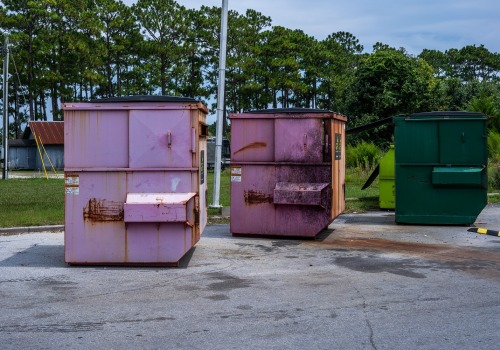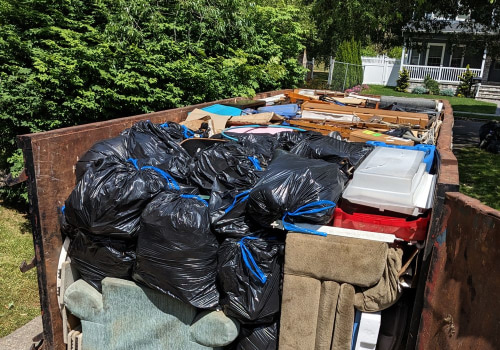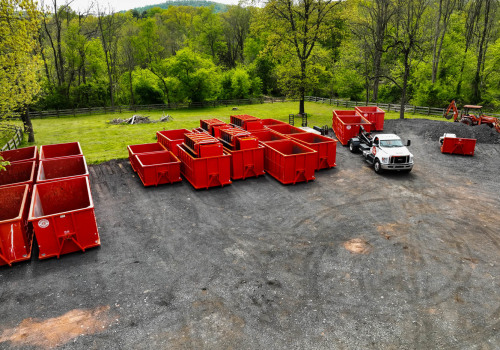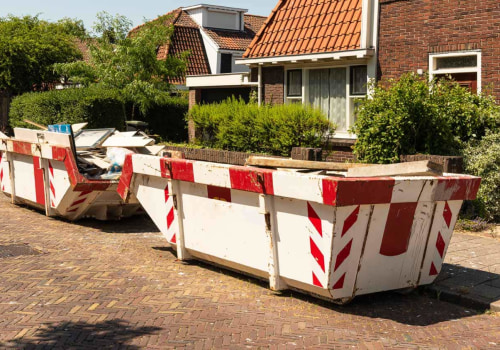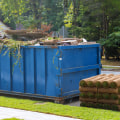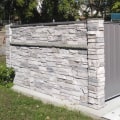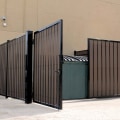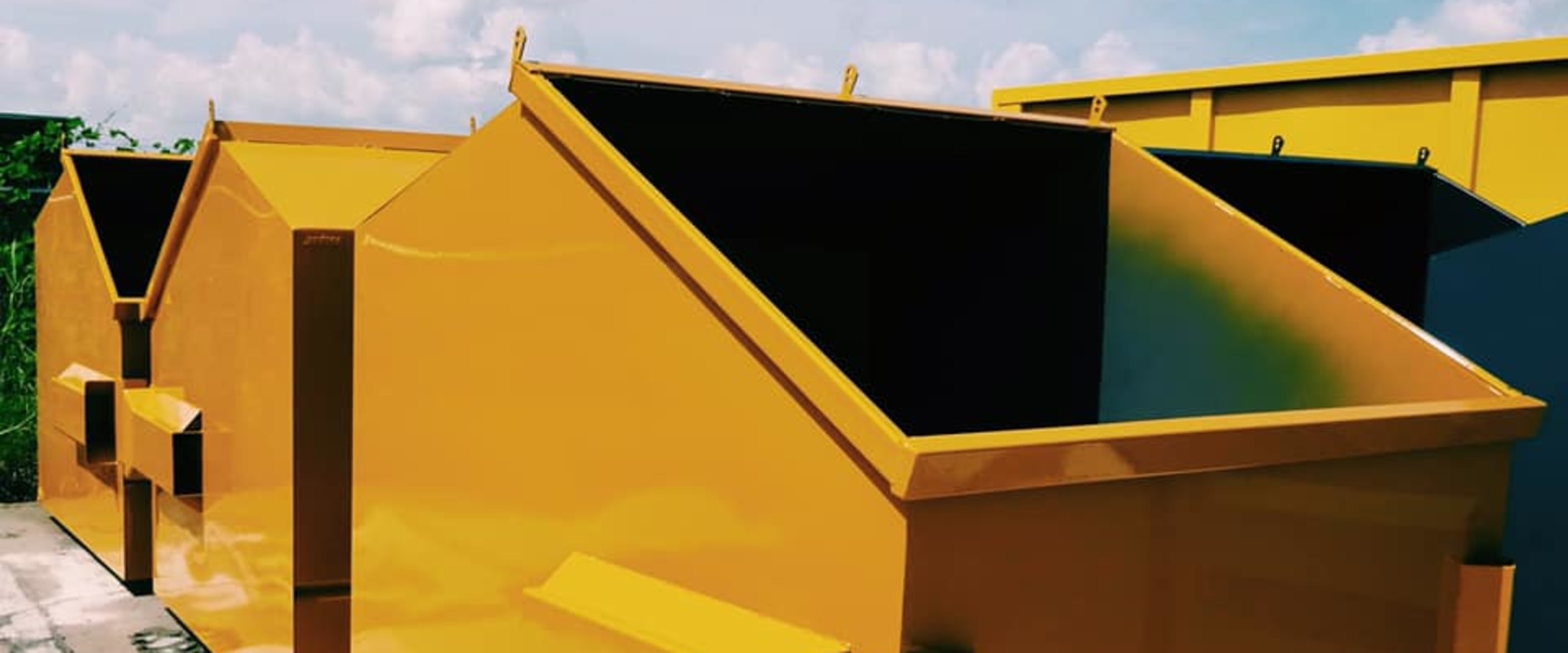
When it comes to managing waste effectively, understanding the concept of a dumpster enclosure is essential. A dumpster enclosure serves as a designated area where dumpsters are stored, providing both functionality and aesthetic appeal. These enclosures are typically constructed from durable materials such as wood, metal, or masonry, and are designed to contain waste while minimizing its visibility and odor. This is particularly important in residential and commercial settings where maintaining a clean and organized appearance is crucial.The significance of dumpster enclosures extends beyond mere aesthetics.
They play a vital role in ensuring compliance with local regulations regarding waste management. Many municipalities require businesses and homeowners to have enclosures to prevent littering and to control pests that are attracted to open waste containers. Additionally, enclosures help protect the environment by preventing waste from spilling into surrounding areas, which can lead to pollution and other ecological issues.For those considering dumpster rental, understanding the basics of dumpster enclosures is key. Not only do they provide a practical solution for waste disposal, but they also enhance safety by keeping hazardous materials contained.
Properly sized and strategically placed enclosures can facilitate easy access for waste collection services while ensuring that the area remains tidy and secure. As we delve deeper into this topic, we will explore how to determine the appropriate size for your dumpster enclosure and the best practices for its placement, ensuring that you maximize efficiency while adhering to local guidelines.
Factors to Consider When Sizing a Dumpster Enclosure
When it comes to sizing a dumpster enclosure, several critical factors must be taken into account to ensure that it meets your needs effectively. Understanding these elements will not only help you choose the right dimensions but also ensure compliance with local regulations and optimal functionality.- Type of Waste: The kind of waste you plan to dispose of plays a significant role in determining the size of your dumpster enclosure. For instance, construction debris may require a larger enclosure compared to regular household waste.
If you anticipate disposing of bulky items or large volumes of waste, consider opting for a larger dumpster and enclosure.
- Frequency of Use: How often you plan to use the dumpster is another vital factor. If your project involves frequent waste disposal, such as during a renovation or ongoing commercial operations, a larger enclosure may be necessary to accommodate the increased volume. Conversely, if the dumpster will be used infrequently, a smaller size may suffice.
- Local Regulations: Always check local zoning laws and regulations regarding dumpster enclosures. Some municipalities have specific requirements for enclosure sizes, materials, and placement.
Ensuring compliance with these regulations can save you from potential fines and complications down the line.
- Space Availability: The physical space available for the enclosure is crucial. Measure the area where you plan to place the dumpster to ensure that there is enough room not only for the dumpster itself but also for access and maneuverability. Consider any nearby structures, trees, or other obstacles that could impede access.
- Accessibility: Ensure that the enclosure is easily accessible for both users and waste management services. A well-placed dumpster should allow for straightforward loading and unloading without requiring excessive maneuvering.
This consideration is particularly important for commercial properties where multiple employees may need access.
- Future Needs: Think ahead about potential changes in your waste disposal needs. If you anticipate an increase in waste generation due to business expansion or additional projects, it may be wise to size your enclosure larger than your current requirements.
Choosing the Right Location for Your Dumpster Enclosure
Choosing the right location for your dumpster enclosure is a critical step that can significantly impact its functionality and compliance with local regulations. Here are some essential factors to consider when determining the best placement for your dumpster enclosure.Accessibility Considerations
One of the foremost aspects to evaluate is accessibility.A dumpster enclosure should be easily accessible for both waste management personnel and users. Here are some tips to ensure optimal accessibility:
- Proximity to Waste Sources: Position the enclosure close to where waste is generated, whether it’s a construction site, commercial building, or residential area. This minimizes the distance that waste needs to be transported.
- Clear Pathways: Ensure that there are clear and unobstructed pathways leading to the dumpster. Avoid placing it near obstacles such as trees, fences, or other structures that could hinder access.
- Space for Maneuvering: Allow enough space around the enclosure for trucks to maneuver when picking up or dropping off dumpsters.
This is especially important for larger commercial dumpsters.
Visibility and Aesthetics
The visibility of your dumpster enclosure can also play a role in its effectiveness. While you want it to be accessible, you also want to consider how it fits into the overall aesthetics of your property:- Strategic Placement: Place the enclosure in a location that is not immediately visible from the main entrance or public areas. This helps maintain a clean and professional appearance while still being functional.
- Landscaping Options: Consider incorporating landscaping around the enclosure to blend it into the environment. This can include shrubs or decorative fencing that enhances its appearance while providing necessary screening.
Zoning Laws and Regulations
Before finalizing the location of your dumpster enclosure, it’s crucial to check local zoning laws and regulations.Compliance with these rules can prevent potential fines and ensure smooth operations:
- Permits: Some areas may require permits for dumpster enclosures, especially in commercial zones. Check with your local municipality to understand what is needed.
- Setback Requirements: Many jurisdictions have specific setback requirements that dictate how far an enclosure must be from property lines or public roads. Ensure your chosen location adheres to these guidelines.
- Height Restrictions: Be aware of any height restrictions that may apply to your enclosure design, as this can affect placement options.
Designing Your Dumpster Enclosure: Materials and Aesthetics
When it comes to designing a dumpster enclosure, the choice of materials and aesthetic considerations play a pivotal role in ensuring both functionality and visual appeal. A well-constructed enclosure not only serves its primary purpose of concealing waste but also enhances the overall look of the property.Materials for Dumpster Enclosures
Choosing the right materials is essential for durability and maintenance.Here are some popular options:
- Wood: Treated wood can provide a natural look that blends well with landscaping. However, it requires regular maintenance to prevent rot and insect damage.
- Metal: Steel or aluminum enclosures are highly durable and resistant to weather conditions. They can be painted or coated to match the property’s aesthetic.
- Vinyl: This material is low-maintenance and resistant to fading, making it an excellent choice for long-term use. Vinyl enclosures can mimic the appearance of wood without the upkeep.
- Concrete: For a more permanent solution, concrete offers unmatched durability.
It can be designed with various textures and colors to enhance visual appeal.
Aesthetic Considerations for Enclosures
The design of your dumpster enclosure should complement the surrounding environment. Here are some tips to consider:- Color Coordination: Choose colors that harmonize with your building’s exterior. Neutral tones often work best, but don’t shy away from bolder choices if they fit your style.
- Landscaping: Incorporating plants or decorative elements around the enclosure can soften its appearance and integrate it into the landscape.
- Signage: Clear signage indicating waste disposal guidelines can enhance functionality while maintaining a professional look.
Durable Enclosure Designs
A durable dumpster enclosure design should consider both structural integrity and ease of access. Here are some features to include:- Reinforced Gates: Ensure that gates are sturdy and easy to operate, allowing for quick access while preventing unauthorized entry.
- Ventilation: Proper ventilation helps reduce odors and prevents pest infestations, making it an essential feature in any design.
- Sufficient Space: Design the enclosure with enough space to accommodate the dumpster size you plan to rent, along with additional room for maneuvering during loading and unloading.
A well-thought-out design not only serves its functional purpose but also contributes positively to the overall environment.
Compliance with Local Regulations and Guidelines
When it comes to dumpster rental, understanding and adhering to local regulations is paramount. Each municipality has its own set of rules governing the placement and construction of dumpster enclosures. These regulations are designed not only to maintain aesthetic standards but also to ensure public safety and environmental protection.Understanding Local Regulations
- Permits: Many areas require a permit for the installation of a dumpster enclosure. This process often involves submitting plans that detail the size, materials, and location of the enclosure.
- Size Restrictions: Local laws may dictate the maximum dimensions for dumpster enclosures.
It’s essential to check these specifications to avoid fines or the need for costly modifications.
- Location Guidelines: Regulations often specify where enclosures can be placed. For instance, they may need to be a certain distance from property lines, sidewalks, or public roads.
- Accessibility: Enclosures must be accessible for waste collection vehicles. This means considering turning radii and clearance heights when determining placement.
- Screening Requirements: Many municipalities require that dumpster enclosures be screened from view. This can involve using fencing or landscaping to minimize visual impact.
Compliance Tips
- Research Local Laws: Before renting a dumpster, consult your local government’s website or contact the zoning office to understand specific regulations in your area.
- Consult with Professionals: If you’re unsure about compliance, consider hiring a contractor or consultant who specializes in waste management regulations.
- Document Everything: Keep records of permits, correspondence with local authorities, and any inspections that occur.
This documentation can be invaluable if disputes arise.
- Stay Updated: Regulations can change, so it’s wise to stay informed about any updates that may affect your dumpster enclosure.
Common Mistakes to Avoid When Sizing and Placing a Dumpster Enclosure
When it comes to sizing and placing a dumpster enclosure, many individuals and businesses make common mistakes that can lead to inefficiencies and increased costs. Understanding these pitfalls is essential for ensuring that your dumpster rental experience is smooth and effective. Here are some frequent errors to avoid:- Underestimating Size Requirements: One of the most prevalent mistakes is not accurately assessing the size of the dumpster needed.
Many people opt for a smaller dumpster to save money, only to find themselves needing a second rental. To avoid this, consider the volume of waste you expect to generate and consult with your dumpster rental provider for guidance on appropriate sizes.
- Ignoring Local Regulations: Each municipality has specific regulations regarding dumpster placement, including zoning laws and permits. Failing to check these regulations can result in fines or the need to relocate your enclosure after it has been set up. Always research local guidelines before finalizing your enclosure's location.
- Choosing an Inaccessible Location: Placing a dumpster enclosure in a hard-to-reach area can complicate waste disposal and collection.
Ensure that the location allows for easy access for both users and waste management vehicles. Consider factors such as road width, overhead clearance, and turning radius when selecting a site.
- Neglecting Drainage Considerations: Proper drainage is crucial for maintaining hygiene around your dumpster enclosure. Placing it in an area prone to flooding or pooling water can lead to unpleasant odors and pest issues. Ensure that the site has adequate drainage solutions in place to prevent these problems.
- Overlooking Aesthetic Integration: While functionality is key, the visual impact of a dumpster enclosure should not be ignored, especially for businesses.
An unattractive or poorly maintained enclosure can detract from your property’s appearance. Consider using materials that blend with your surroundings or adding landscaping elements to enhance its look.
FAQs About Dumpster Enclosures and Rentals
When considering a dumpster rental, many individuals and businesses have questions regarding the specifics of dumpster enclosures. Below are some of the most frequently asked questions that can help clarify common concerns and provide valuable insights.What is a dumpster enclosure?
A dumpster enclosure is a structure designed to house a dumpster, providing a designated area for waste disposal while keeping it secure and out of sight.Enclosures can be made from various materials, including wood, metal, or vinyl, and are often used to enhance the aesthetic appeal of a property while ensuring compliance with local regulations.
Why do I need a dumpster enclosure?
Having a dumpster enclosure is essential for several reasons:- Compliance: Many municipalities require enclosures for commercial dumpsters to meet zoning laws and health regulations.
- Aesthetics: Enclosures help maintain the visual appeal of your property by hiding unsightly waste containers.
- Security: An enclosure can deter unauthorized access and prevent illegal dumping.
- Odor Control: Properly designed enclosures can help contain odors associated with waste disposal.
How do I determine the size of my dumpster enclosure?
The size of your dumpster enclosure will depend on several factors:- Dumpster Size: Know the dimensions of the dumpster you plan to rent. Common sizes include 10, 20, 30, and 40 yards.
- Access Space: Ensure there is enough space around the enclosure for easy access by waste collection vehicles.
- Local Regulations: Check with your local government for any specific requirements regarding enclosure dimensions.
Can I rent a dumpster without an enclosure?
While it is possible to rent a dumpster without an enclosure, it is not always advisable. Many areas have regulations that require enclosures for commercial dumpsters. Additionally, without an enclosure, you may face issues related to aesthetics, odor control, and security.What materials are best for building a dumpster enclosure?
The best materials for constructing a dumpster enclosure depend on your budget and aesthetic preferences.Common options include:
- Wood: Offers a natural look but may require more maintenance over time.
- Metal: Durable and low-maintenance but can be more expensive.
- Vinyl: Resistant to weathering and easy to clean, making it a popular choice.
Conclusion: Key Takeaways on Sizing and Placing Your Dumpster Enclosure
In conclusion, the process of sizing and placing your dumpster enclosure is a critical aspect of effective waste management that should not be overlooked. Properly executed, it can lead to enhanced efficiency, improved aesthetics, and compliance with local regulations.Key Takeaways:
- Understand Your Needs: Before selecting a dumpster enclosure, assess your specific waste disposal requirements. Consider the volume of waste generated, the type of materials being disposed of, and the frequency of collection. This will help you determine the appropriate size for your enclosure.
- Choose the Right Location: The placement of your dumpster enclosure is just as important as its size.
Ensure it is easily accessible for waste collection vehicles while also being situated away from high-traffic areas to minimize disruption. Additionally, consider proximity to your building to facilitate easy waste disposal.
- Follow Local Regulations: Familiarize yourself with local zoning laws and regulations regarding dumpster enclosures. Many municipalities have specific guidelines on size, placement, and even design that must be adhered to in order to avoid fines or penalties.
- Design for Aesthetics and Functionality: While functionality is paramount, don’t neglect the visual impact of your dumpster enclosure. A well-designed enclosure can blend seamlessly with your property’s architecture and landscaping, enhancing curb appeal while serving its purpose effectively.
- Regular Maintenance: Once your dumpster enclosure is in place, regular maintenance is essential.
Keep the area clean and free from debris to ensure it remains functional and visually appealing. This not only helps in maintaining hygiene but also prolongs the life of the enclosure itself.