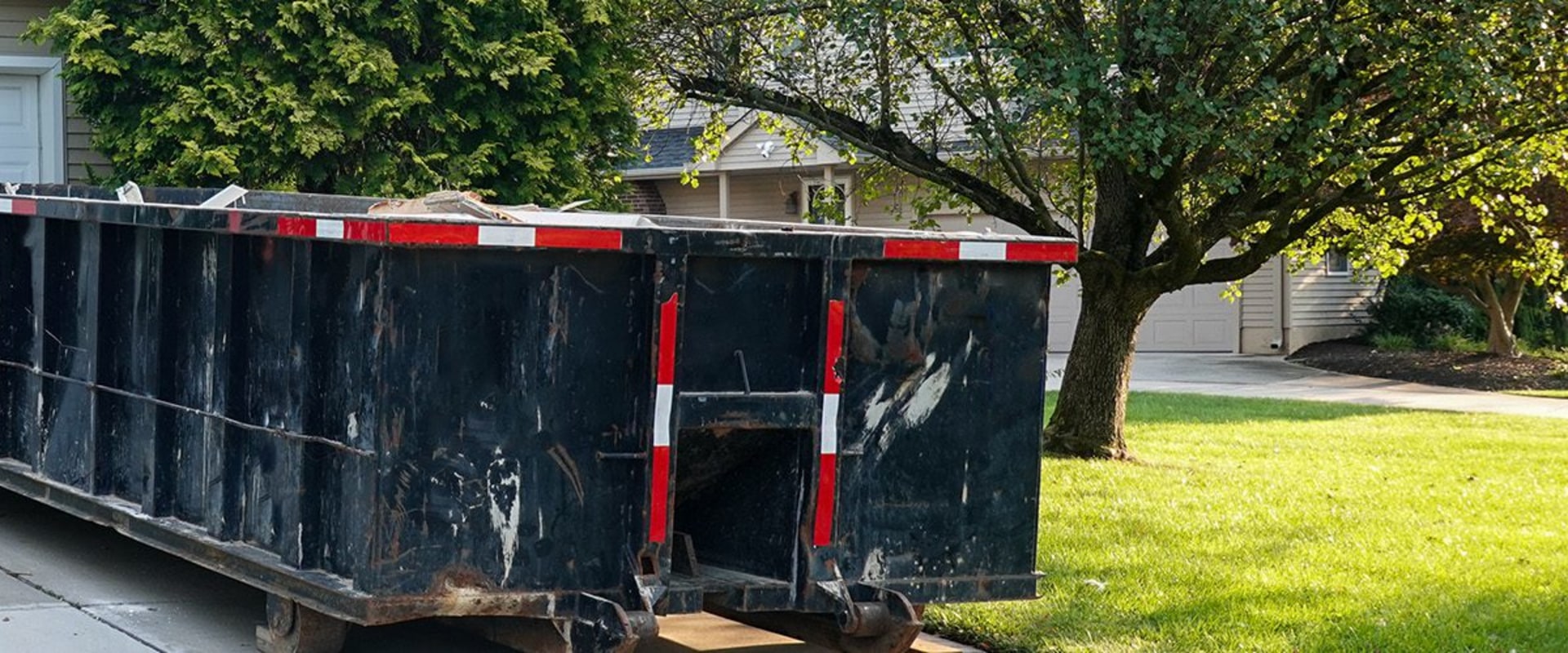
When embarking on a home renovation, construction project, or even a significant cleanout, one of the most crucial aspects to consider is dumpster rental. In Pennsylvania, understanding the intricacies of dumpster rental is essential not only for efficient waste management but also for compliance with local regulations. The state has specific guidelines that dictate how and where dumpsters can be placed, which can vary significantly from one municipality to another.Before you rent a dumpster, it’s vital to familiarize yourself with the local laws regarding dumpster permits. Many residents are unaware that placing a dumpster on public property, such as streets or sidewalks, typically requires a permit from the local authorities.
This is designed to ensure public safety and maintain the flow of traffic. Failing to secure the necessary permits can lead to fines and complications that could delay your project.Moreover, understanding the size and type of dumpster you need is equally important. Different projects generate varying amounts and types of waste, and selecting the right dumpster can save you time and money. Whether you’re dealing with construction debris, yard waste, or household junk, knowing what’s permissible in your area will help streamline the process.
As we delve deeper into this topic, we will explore the specific regulations in Pennsylvania, how to obtain the required permits, and tips for choosing the right dumpster rental for your needs.
Why You Need a Dumpster Permit
Obtaining a dumpster permit is not just a bureaucratic hurdle; it is a crucial step in ensuring that your project complies with local regulations and maintains public safety. Understanding the importance of permits can save you from potential legal issues and fines that may arise from improper dumpster placement.One of the primary reasons for needing a dumpster permit is to adhere to local laws and regulations. Each municipality in Pennsylvania has specific rules regarding where and how dumpsters can be placed. These regulations are designed to prevent obstructions on public roads and sidewalks, which can create hazards for both pedestrians and vehicles.By securing the necessary permits, you demonstrate your commitment to following these laws, thereby avoiding penalties that could arise from non-compliance.Moreover, failing to obtain a permit can lead to significant legal consequences. If a dumpster is placed without the proper authorization, local authorities may issue fines or require its immediate removal. This not only disrupts your project timeline but can also incur additional costs associated with re-renting a dumpster and possibly facing legal action. In some cases, repeated violations can lead to more severe penalties, including increased fines or restrictions on future projects.In addition to legal ramifications, there are also safety concerns associated with unpermitted dumpster placement.
A dumpster that obstructs traffic or pedestrian pathways can lead to accidents, injuries, or property damage. For instance, if someone trips over a dumpster that is improperly placed on a sidewalk, you could be held liable for any resulting injuries. Obtaining a permit ensures that your dumpster is positioned in a way that minimizes risks to the public.Furthermore, having the right permits can enhance your project's credibility. When you follow the proper channels and obtain the necessary documentation, it reflects professionalism and responsibility.
This can be particularly important if you are working on a larger construction project where multiple stakeholders are involved.In summary, securing a dumpster permit is essential for compliance with local laws, avoiding legal issues, ensuring public safety, and maintaining your project's integrity. Before renting a dumpster, take the time to understand the specific requirements in your area and ensure that all necessary permits are obtained.
Types of Dumpster Permits in Pennsylvania
When it comes to dumpster rental in Pennsylvania, understanding the types of permits required is crucial for compliance and smooth project execution. The state categorizes dumpster permits into two main types: temporary permits and permanent permits. Each type serves a specific purpose and comes with its own set of requirements.Temporary Permits
Temporary permits are typically required for short-term dumpster placements, often associated with construction, renovation, or cleanup projects.These permits are essential when a dumpster is placed in a public right-of-way, such as on a street or sidewalk. Here are some key points regarding temporary permits:
- Duration: Temporary permits are usually valid for a limited time, often ranging from a few days to several weeks, depending on the project scope.
- Application Process: To obtain a temporary permit, you must submit an application to the local Streets Department or relevant authority. This application typically requires details about the project, the size of the dumpster, and its intended location.
- Fees: There may be associated fees for processing the temporary permit application, which can vary by municipality.
- Safety Considerations: The permit ensures that the dumpster placement does not obstruct traffic or create hazards for pedestrians.
Permanents Permits
Permanents permits are necessary when a dumpster is intended for long-term use on private property or in specific public areas. These permits are less common but essential for certain projects.Here’s what you need to know about permanent permits:
- Long-Term Use: Permanent permits allow for dumpsters to remain in place for extended periods, often required during major renovations or ongoing construction projects.
- Licensing Requirements: Obtaining a permanent permit typically involves more stringent licensing requirements through the Licensing and Inspection Department (L&I). This may include inspections and adherence to zoning regulations.
- Impact Assessments: Depending on the location and nature of the project, you may need to conduct impact assessments to evaluate how the dumpster will affect surrounding areas.
- Compliance with Local Ordinances: Permanent permits must comply with local ordinances regarding waste management and property use.
How to Apply for a Dumpster Permit
Applying for a dumpster permit in Pennsylvania is a crucial step for anyone planning to rent a dumpster, especially if it will be placed in a public area. Understanding the application process can save you time and ensure compliance with local regulations.Here’s a detailed guide on how to navigate this process effectively.
1.Determine the Type of Permit Needed
- If your dumpster will be placed on a public right of way, such as a street or sidewalk, you will need to apply for a permit from the Streets Department.
- For dumpsters placed on private property, you may need a license from the Licensing and Inspection Department (L&I).
2.Gather Required Documentation
Before starting your application, ensure you have all necessary documents ready. Commonly required documents include:
- Proof of Identity: A valid ID or driver's license.
- Site Plan: A detailed layout showing where the dumpster will be located.
- Project Description: A brief overview of the project necessitating the dumpster rental.
- Insurance Information: Proof of liability insurance may be required, especially for commercial projects.
3.Complete the Application Form
You can typically find the application form on your local municipality's website or at their office. Fill out the form completely, ensuring that all information is accurate and up-to-date. Incomplete applications can lead to delays.
4.Submit Your Application
Once your application is complete, submit it along with any required fees to the appropriate department.
Be sure to keep copies of everything you submit for your records.
5.Follow Up
After submission, it’s wise to follow up with the department to confirm that your application is being processed. This can help you address any issues that may arise promptly.
6.Await Approval
The approval process can vary in length depending on your location and the specifics of your application. Once approved, you will receive your permit, which should be displayed prominently on the dumpster during its rental period.By following these steps and ensuring you have all necessary documentation, you can streamline the process of applying for a dumpster permit in Pennsylvania and avoid potential fines or legal issues down the line.
Where You Can Place Your Dumpster
When planning a dumpster rental in Pennsylvania, understanding where you can legally place your dumpster is crucial. The regulations governing dumpster placement vary significantly between public and private property , and knowing these differences can save you from potential fines or legal complications.Public Property Regulations
- If you intend to place a dumpster on public property, such as a street or sidewalk, you will need to obtain a permit from the local Streets Department.
This is essential to ensure that the dumpster does not obstruct traffic or create hazards for pedestrians.
- Permits for public placement typically require you to specify the duration for which the dumpster will be on-site. Most municipalities have strict time limits on how long a dumpster can remain in a public space.
- In some cases, you may also need to provide proof of insurance or a bond to cover any potential damages caused by the dumpster.
Private Property Regulations
- When placing a dumpster on private property, such as your own driveway or yard, you generally do not need a permit. However, it is advisable to check with your local zoning office to confirm any specific regulations that may apply.
- Even on private property, there are still considerations regarding placement. Ensure that the dumpster is not blocking access points, such as driveways or emergency exits, and that it complies with any homeowners' association (HOA) rules if applicable.
- It’s also important to consider the weight limits of your driveway or surface where the dumpster will be placed.
Heavy dumpsters can cause damage if placed on weak surfaces.
Placement Considerations
- Regardless of whether you are placing your dumpster on public or private property, always consider the surrounding environment. Avoid placing dumpsters near trees, utility poles, or other structures that could obstruct access or create hazards.
- Be mindful of local traffic patterns and pedestrian pathways when selecting a location for your dumpster. Proper placement can help minimize disruptions and ensure safety for everyone involved.
Common Questions About Dumpster Permits in Pennsylvania
When it comes to dumpster rental in Pennsylvania, many individuals and businesses have questions regarding the necessary permits.Understanding these common inquiries can help streamline the process and ensure compliance with local regulations.
- Do I need a permit for a dumpster on private property?
In most cases, if you are placing a dumpster on your own private property, you do not need a permit. However, it is always wise to check with your local municipality, as some areas may have specific regulations or restrictions. - What about placing a dumpster on the street?
If you plan to place a dumpster on a public street or sidewalk, you will definitely need to obtain a permit. This is crucial to avoid obstructing traffic and ensuring pedestrian safety. The application process typically involves contacting the local Streets Department. - How long can I keep a dumpster?
The duration for which you can keep a dumpster varies by location.Generally, permits for street placement are issued for a limited time, often ranging from a few days to several weeks. Always check the specific terms of your permit to avoid fines.
- What happens if I don’t get a permit?
Failing to secure the necessary permits can lead to significant penalties, including fines and the potential removal of the dumpster by local authorities. It’s essential to adhere to all regulations to avoid these complications. - Can I extend my dumpster rental period?
If you find that you need more time with your dumpster, contact your rental company as soon as possible. They can guide you through the process of extending your rental period and may assist with any necessary permit adjustments.
Always remember that local regulations may vary, so staying informed is key to ensuring a smooth rental experience.
Consequences of Not Having a Permit
Failing to obtain the necessary dumpster permit in Pennsylvania can lead to a range of serious consequences that can impact both your project and your finances. Understanding these potential repercussions is crucial for anyone considering a dumpster rental.Fines and Penalties
- One of the most immediate consequences of not having a permit is the imposition of fines. Local authorities can issue fines that vary significantly depending on the municipality, but they can range from a few hundred to several thousand dollars.
- In addition to initial fines, there may be additional penalties for each day the violation continues. This means that if you fail to rectify the situation promptly, your financial liability could increase rapidly.
Legal Issues
- Beyond financial penalties, operating without a permit can expose you to legal challenges.
Neighbors or local businesses may file complaints against you, leading to potential lawsuits.
- If your dumpster obstructs public access or creates safety hazards, you could be held liable for any accidents or injuries that occur as a result. This could lead to costly legal fees and settlements.
Project Delays
- Another significant consequence is the potential for project delays. If authorities discover that you are operating without a permit, they may require you to halt work until the proper documentation is obtained. This can lead to increased labor costs and extended timelines.
- In some cases, you may be required to remove the dumpster immediately, which can disrupt your project and lead to further complications.
Reputational Damage
- Operating without a permit can also damage your reputation within the community and industry.
Future clients may view you as unprofessional or irresponsible, which can hinder your ability to secure new projects.
Tips for Renting a Dumpster Responsibly
Renting a dumpster can be a straightforward process, but doing so responsibly requires careful planning and consideration. Here are some essential tips to ensure that your dumpster rental experience is smooth and compliant with local regulations.1.Assess Your Project Needs
Before you even think about renting a dumpster, take the time to evaluate your project.Consider the type of materials you will be disposing of and the volume of waste generated. This assessment will help you determine the appropriate dumpster size. Common sizes range from 10 to 40 cubic yards, so choose one that aligns with your project's scope.
2.Understand Local Regulations
Each municipality in Pennsylvania has its own regulations regarding dumpster placement. Familiarize yourself with these rules to avoid fines or legal issues.If you plan to place the dumpster on a public street or sidewalk, check with the local Streets Department for any necessary permits. For private property placements, consult the Licensing and Inspection Department (L&I) for guidance.
3.Choose the Right Location
The placement of your dumpster is crucial for both safety and compliance. Ideally, it should be positioned on your property, away from traffic and pedestrian pathways. If placement on public property is unavoidable, ensure that it does not obstruct visibility or access for vehicles and pedestrians.4.Communicate with Your Rental Company
When renting a dumpster, clear communication with your rental company is vital.Discuss your project details, including the type of waste you will be disposing of, to ensure they provide the right container. Additionally, inquire about any restrictions on what can be placed in the dumpster, as hazardous materials often require special handling.
5.Plan for Accessibility
Make sure that the area around the dumpster is accessible for both delivery and pickup. This includes ensuring that there are no low-hanging branches or tight spaces that could hinder the truck's ability to drop off or pick up the container.6.Be Mindful of Weight Limits
Dumpsters come with weight limits that vary by size and rental company. Exceeding these limits can result in additional fees or complications during pickup.Be aware of what you are placing in the dumpster and try to distribute weight evenly to avoid overloading one side.
7.Schedule Pickup in Advance
Once your project is complete or your dumpster is full, contact your rental company to schedule a pickup as soon as possible. This helps prevent any delays in your project timeline and ensures that waste is removed promptly.By following these tips for responsible dumpster rental, you can ensure a hassle-free experience while adhering to local regulations and best practices.Conclusion: Navigating Dumpster Permits in Pennsylvania
In summary, navigating the landscape of dumpster rental permits in Pennsylvania is crucial for anyone planning a construction or renovation project. Understanding the specific regulations and requirements can save you time, money, and potential legal headaches.First and foremost, it is essential to recognize that the need for a permit largely depends on the location where the dumpster will be placed. If you are considering placing a dumpster on a public street or sidewalk, obtaining a permit from the Streets Department is mandatory. permits in Pennsylvania is crucial for anyone planning a construction or renovation project. Understanding the specific regulations and requirements can save you time, money, and potential legal headaches.First and foremost, it is essential to recognize that the need for a permit largely depends on the location where the dumpster will be placed. If you are considering placing a dumpster on a public street or sidewalk, obtaining a permit from the Streets Department is mandatory.This step ensures that your dumpster does not obstruct traffic or create safety hazards for pedestrians.On the other hand, if your project involves placing a dumpster on private property, you may not need a permit. However, it is always wise to check with local regulations to confirm this, as rules can vary significantly between municipalities.Moreover, before renting a dumpster, take the time to assess your project’s needs. Consider factors such as:
- The size of the dumpster required based on the volume of waste generated.
- The duration for which you will need the dumpster on-site.
- The specific location for placement and any potential obstacles that may arise.
They often have experience dealing with local regulations and can assist in securing permits on your behalf.Ultimately, understanding and adhering to dumpster permit regulations in Pennsylvania not only helps you avoid fines but also contributes to a smoother project execution. By taking these steps seriously, you can focus more on your project and less on potential legal complications.