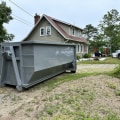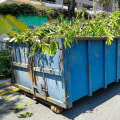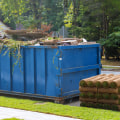
When embarking on a home renovation, construction project, or even a significant cleanout, managing waste effectively is crucial. This is where dumpster rental comes into play. A dumpster rental service provides you with a large container that can hold various types of debris, making it easier to dispose of waste in an organized manner. Understanding the basics of dumpster rental is essential for anyone looking to streamline their project and ensure that waste disposal is handled efficiently.At its core, dumpster rental involves renting a large container for a specified period, allowing you to fill it with unwanted materials from your project.
This service is particularly beneficial for projects that generate substantial waste, such as home renovations, landscaping jobs, or commercial construction. By utilizing a dumpster rental, you can avoid cluttering your property with debris and ensure that your project site remains safe and accessible.One of the key aspects of dumpster rental is understanding how it works. Typically, you will contact a rental company to discuss your needs, including the type of waste you need to dispose of and the duration for which you require the dumpster. The company will then recommend an appropriate size based on your project’s scope.
Once you’ve selected a size and agreed on terms, the company will deliver the dumpster to your location. After you’ve filled it up, they will return to pick it up and dispose of the contents responsibly.Choosing the right dumpster is not just about size; it also involves considering factors such as weight limits, types of materials allowed, and local regulations regarding waste disposal. By grasping these fundamentals of dumpster rental, you can make informed decisions that will enhance the efficiency of your project while ensuring compliance with local laws.
Assessing Your Project Needs
When it comes to dumpster rental, understanding your project needs is crucial for selecting the right container size. The first step in this process is to assess the scope of your project.This involves evaluating both the type of work you are undertaking and the volume of waste you expect to generate.
1.Identify the Type of Project
- Home Renovation: If you are remodeling a kitchen or bathroom, consider the materials you will be disposing of, such as cabinets, tiles, and appliances.
- Construction: For new builds or major renovations, anticipate larger debris like lumber, drywall, and concrete.
- Landscaping: Projects involving yard waste, soil, or large branches may require a different approach than interior renovations.
- Cleaning Out: Whether it’s a garage cleanout or an estate sale, think about how much junk you need to remove.
2.Estimate the Volume of Waste
Once you have identified the type of project, the next step is to estimate how much waste will be generated. A good rule of thumb is to consider:
- The size of the area being worked on.
- The amount of material being removed or replaced.
- The frequency of waste generation during the project timeline.
3.Consider Project Duration
The length of your project can also influence your dumpster choice. For short-term projects, a smaller dumpster may be adequate, while longer projects might benefit from a larger container that can accommodate ongoing waste accumulation.
4.Local Regulations and Accessibility
Lastly, check local regulations regarding dumpster placement and size restrictions. Ensure that your chosen dumpster can be easily accessed by delivery trucks and fits within your property’s available space without obstructing traffic or sidewalks.By carefully assessing your project needs—considering the type of work, estimating waste volume, evaluating project duration, and understanding local regulations—you can make an informed decision on the most suitable dumpster size for your rental needs.
Choosing the Right Dumpster Size
When it comes to dumpster rental, selecting the appropriate size is crucial for the success of your project.Understanding the various dumpster sizes available can help you make an informed decision that aligns with your specific needs.Dumpsters typically come in several standard sizes, measured in cubic yards. Here’s a breakdown of common dumpster sizes and their typical uses:
- 10 Cubic Yard Dumpster: Ideal for small projects such as cleaning out a garage, attic, or a single room renovation. This size can hold approximately 3 pickup truck loads of debris.
- 20 Cubic Yard Dumpster: A versatile option suitable for medium-sized projects like basement cleanouts, small home renovations, or landscaping jobs. It can accommodate about 6 pickup truck loads.
- 30 Cubic Yard Dumpster: Perfect for larger projects such as major home renovations, large-scale cleanouts, or construction debris.
This size holds around 9 pickup truck loads of waste.
- 40 Cubic Yard Dumpster: The largest option available, ideal for extensive construction projects, commercial renovations, or large estate cleanouts. It can handle approximately 12 pickup truck loads of material.
- Type of Waste: Different types of waste may require different handling and disposal methods. Ensure you select a dumpster that can accommodate the specific materials you plan to dispose of.
- Project Scope: Assess the scale of your project. Larger projects will naturally require bigger dumpsters to avoid multiple trips and additional costs.
- Space Availability: Consider where you will place the dumpster.
Ensure there is enough space for the size you choose without obstructing traffic or access.
Types of Dumpsters Available for Rental
When considering dumpster rental, it's essential to understand the various types of dumpsters available, as each is designed for specific needs and projects. The two most common types are roll-off dumpsters and front-load dumpsters , each serving distinct purposes.Roll-Off Dumpsters
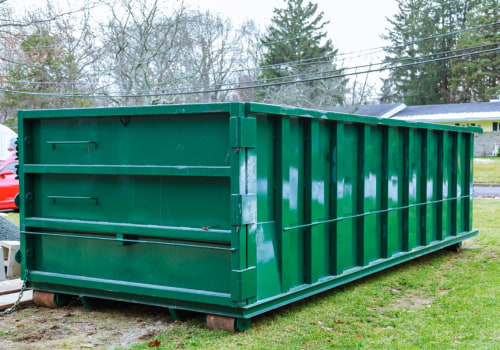
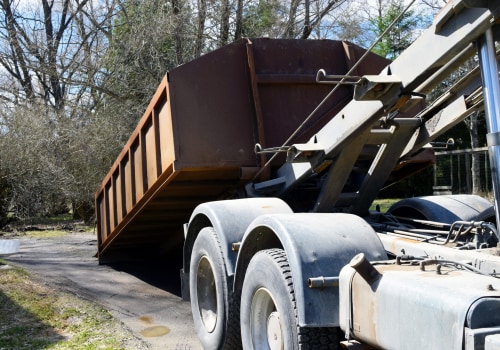
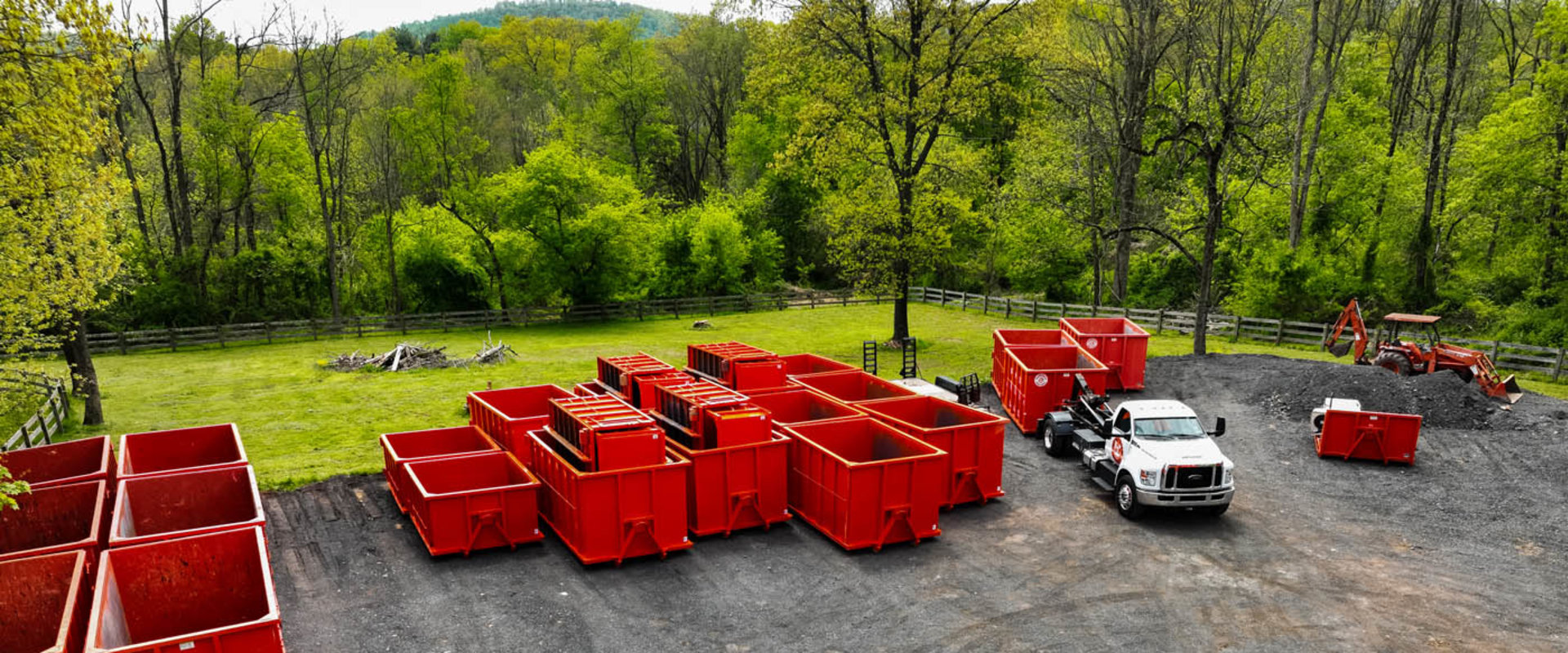
Roll-off dumpsters are typically used for larger projects, such as home renovations, construction sites, or significant cleanouts. These dumpsters are characterized by their open-top design and wheels that allow them to be rolled off a truck and placed on the ground. Here are some key features:- Size Variety: Roll-off dumpsters come in various sizes, ranging from 10 to 40 cubic yards, making them suitable for both small and large projects.
- Easy Access: The open-top design allows for easy loading of debris, making it convenient for disposing of bulky items.
- Flexible Rental Periods: Many companies offer flexible rental periods, allowing you to keep the dumpster for as long as you need it.
However, they may not be suitable for locations with limited space due to their size.
Front-Load Dumpsters
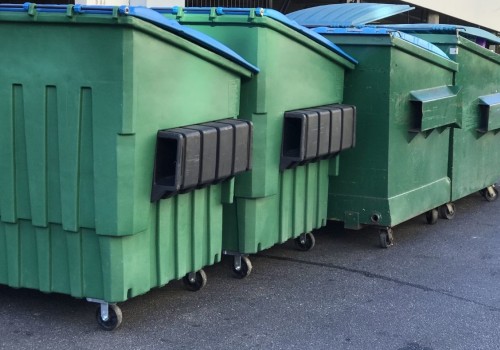
Front-load dumpsters are commonly used for commercial purposes and are designed for frequent pickups. They have a smaller footprint compared to roll-off dumpsters and are typically emptied by a front-loading garbage truck. Here’s what you should know:- Compact Size: These dumpsters usually range from 2 to 8 cubic yards, making them perfect for businesses with limited space.
- Regular Collection: Front-load dumpsters are ideal for establishments that generate consistent waste, such as restaurants or retail stores.
- Durability: Built with heavy-duty materials, these dumpsters can withstand regular use and harsh weather conditions.
Understanding Rental Terms and Conditions
When considering a dumpster rental, it’s crucial to understand the various terms and conditions that govern the rental agreement.This knowledge can help you avoid unexpected costs and ensure a smooth rental experience.
Rental Period
The rental period is the duration for which you can keep the dumpster. Most companies offer flexible rental periods, typically ranging from a few days to several weeks. It’s important to clarify the length of your rental when booking, as exceeding this period may incur additional fees. If you anticipate needing the dumpster for longer than initially planned, inquire about the process for extending your rental.
Fees and Charges
- Base Rental Fee: This is the initial cost for renting the dumpster, which usually covers a specific rental period and a set weight limit.
- Overweight Charges: If your waste exceeds the weight limit specified in your agreement, you may face extra charges.
Be sure to ask about these fees upfront to avoid surprises.
- Additional Days: If you need to keep the dumpster longer than agreed, most companies will charge a daily fee for each additional day.
- Delivery and Pickup Fees: Some companies may charge separately for delivering the dumpster to your location and picking it up once you’re done. Confirm whether these costs are included in your base fee or if they will be added later.
- Disposal Fees: Depending on the type of waste you’re disposing of, there may be additional disposal fees, especially for hazardous materials or items that require special handling.
Understanding Your Agreement
Before signing any rental agreement, take the time to read through all terms and conditions carefully. Look for any clauses that might affect your project, such as restrictions on what can be placed in the dumpster or specific disposal guidelines. If anything is unclear, don’t hesitate to ask the rental company for clarification.By familiarizing yourself with these key aspects of dumpster rental, you can make informed decisions and avoid unexpected costs that could derail your project budget.
Finding a Reliable Dumpster Rental Service
Choosing a reliable dumpster rental service is crucial for ensuring that your waste disposal needs are met efficiently and effectively.With numerous options available, it can be overwhelming to determine which company will provide the best service. Here are some essential tips to help you find a trustworthy dumpster rental provider.
1.Research and Read Reviews
- Start by searching online for dumpster rental companies in your area. Look for customer reviews on platforms like Google, Yelp, or Angie's List. Pay attention to both positive and negative feedback to get a balanced view of each company.
- Consider the overall rating and the number of reviews.
A company with a high rating and numerous reviews is often more reliable than one with only a few testimonials.
2.Ask for Recommendations
- Reach out to friends, family, or colleagues who have recently rented dumpsters. Personal recommendations can provide valuable insights into the quality of service and reliability of a company.
- If you’re working with contractors or real estate professionals, ask them for their preferred dumpster rental services, as they often have established relationships with reliable providers.
3.Compare Prices and Services
- Once you have a list of potential companies, request quotes from each one. Ensure that the quotes include all fees, such as delivery, pickup, and any additional charges for exceeding weight limits.
- Compare not just the prices but also the services offered. Some companies may provide additional features like same-day delivery or extended rental periods that could be beneficial for your project.
4.Assess Customer Service
- Contact each company to gauge their customer service.
Are they responsive to inquiries? Do they provide clear answers to your questions? A company that values customer service is likely to be more reliable throughout your rental experience.
- Inquire about their policies regarding late pickups or changes in rental duration. Understanding these policies upfront can prevent misunderstandings later on.
5.Verify Licensing and Insurance
- Ensure that the dumpster rental company is licensed and insured. This protects you from liability in case of accidents or damages during the rental period.
- A reputable company will be transparent about their licensing and insurance status, providing peace of mind as you proceed with your project.
Preparing for Your Dumpster Delivery
When you decide to rent a dumpster, proper preparation for its delivery is crucial to ensure a seamless experience. Here are some essential steps to consider when preparing for your dumpster delivery.1.Choose the Right Location
- Identify a flat, stable surface that can support the weight of the dumpster.
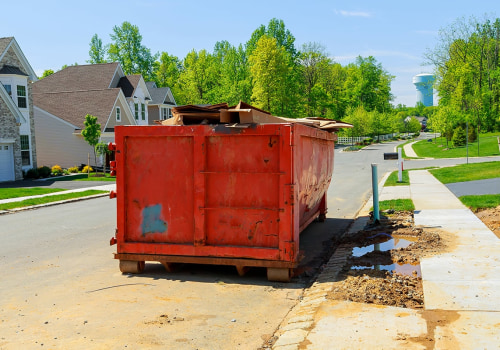
Ideal locations include driveways, parking lots, or designated areas on your property.
- Avoid placing the dumpster on soft ground, such as grass or dirt, as it may sink or become difficult to remove after use.
- Ensure that the location is easily accessible for the delivery truck. This means avoiding tight corners or narrow streets that could hinder the delivery process.
2.Clear the Area
- Before the dumpster arrives, clear the area of any obstacles such as vehicles, outdoor furniture, or landscaping features. This will facilitate easy access for the delivery truck and prevent any potential damage.
- If you have low-hanging branches or power lines near your chosen location, consider trimming them back to allow for safe delivery.
3.Consider Local Regulations
- Check with your local municipality regarding any permits required for placing a dumpster on public property or streets. Some areas may have specific regulations that you need to follow.
- Be aware of any restrictions on placement near sidewalks or roadways to avoid fines or complications during your rental period.
4.Plan for Accessibility
- Ensure that there is enough space around the dumpster for you and your crew to load materials safely and efficiently.
A minimum of 10 feet of clearance is recommended on all sides.
- If you anticipate needing frequent access to the dumpster, consider placing it in a location that minimizes disruption to your workflow.
5.Communicate with Your Rental Company
- Before delivery, discuss any specific requirements or concerns with your dumpster rental company. They can provide valuable insights and recommendations based on their experience.
- If you have special requests regarding delivery times or placement, make sure to communicate these clearly when placing your order.
What Can and Cannot Be Disposed of in a Dumpster?
When renting a dumpster, it’s crucial to understand what materials you can and cannot dispose of. Adhering to these dumpster disposal guidelines not only ensures compliance with local regulations but also helps you avoid potential legal issues and additional fees.Acceptable Items for Disposal
Generally, most common household and construction debris can be disposed of in a dumpster. Here’s a list of items that are typically acceptable:- Household Waste: This includes furniture, appliances, and general trash.
- Construction Debris: Materials such as wood, drywall, roofing shingles, and concrete are usually permitted.
- Yard Waste: Grass clippings, branches, and leaves can often be included.
- Renovation Materials: Items from home improvement projects like tiles and fixtures are generally acceptable.
Prohibited Items in Dumpsters
While many items can be disposed of in a dumpster, there are several categories of materials that are strictly prohibited.Disposing of these items can lead to hefty fines or legal repercussions. Common prohibited items include:
- Hazardous Waste: This includes chemicals, paints, batteries, and any materials that could pose a risk to health or the environment.
- Electronics: Items like televisions, computers, and other electronic devices often require special disposal methods due to their toxic components.
- Medical Waste: Any items that could be considered biohazardous, such as syringes or medical supplies, should never be placed in a dumpster.
- Flammable Materials: Gasoline, propane tanks, and other flammable substances are not allowed due to safety concerns.
Frequently Asked Questions About Dumpster Rentals
When considering a dumpster rental, potential renters often have numerous questions. Here are some of the most frequently asked questions to help clarify the process and ensure you make an informed decision.What size dumpster do I need?
The size of the dumpster you require largely depends on the scope of your project.For small cleanouts or minor renovations, a 10-yard dumpster may suffice. However, for larger projects like home renovations or significant landscaping, you might need a 20-yard or even a 30-yard dumpster. It's essential to assess the volume of waste you expect to generate to choose the right size.
How long can I keep the dumpster?
Most rental companies offer flexible rental periods, typically ranging from a few days to several weeks. If you anticipate needing the dumpster for an extended period, be sure to discuss this with your rental provider upfront.They can often accommodate longer rentals for an additional fee.
What can I put in a dumpster?
While dumpsters are versatile, there are restrictions on what can be disposed of. Commonly accepted items include:- Construction debris (wood, drywall, etc.)
- Household junk (furniture, appliances)
- Yard waste (branches, leaves)
How much does it cost to rent a dumpster?
The cost of renting a dumpster varies based on several factors including size, rental duration, and your location. On average, you can expect to pay between $300 and $600 for a standard rental.Additional fees may apply for exceeding weight limits or keeping the dumpster longer than agreed.
Do I need a permit for a dumpster rental?
This depends on where you plan to place the dumpster. If it will be on private property, such as your driveway, a permit is usually not required. However, if it needs to be placed on public property or the street, you may need to obtain a permit from your local government. Always check local regulations before proceeding.By addressing these common questions about dumpster rentals, you can navigate the process more smoothly and ensure that your project runs efficiently.Conclusion: Making an Informed Decision on Your Dumpster Rental
Choosing the right dumpster rental is a crucial step in ensuring the success of your project, whether it’s a home renovation, a large cleanout, or a construction job.As we’ve discussed throughout this article, several factors come into play when making this decision. By taking the time to evaluate your specific needs, you can avoid common pitfalls and ensure that your waste disposal process is as smooth and efficient as possible.First and foremost, understanding the size of the dumpster you require is essential. As highlighted earlier, different projects necessitate different dumpster sizes. A small 10-cubic-yard dumpster may suffice for minor cleanouts, while larger projects may require containers that hold up to 40 cubic yards or more.
Always consider the volume of waste you anticipate generating and choose a size that accommodates it without overflowing.Additionally, consider the type of materials you will be disposing of. Some dumpsters are designed for specific types of waste, such as construction debris or yard waste. Ensure that the dumpster you select is suitable for the materials you plan to dispose of to avoid additional fees or complications.Another important aspect is the location where the dumpster will be placed. Accessibility is key; you want to ensure that the dumpster can be delivered and picked up without any issues.
If you’re placing it on a public street or sidewalk, check local regulations regarding permits and placement restrictions.Finally, don’t overlook the cost associated with your dumpster rental. Prices can vary significantly based on size, rental duration, and type of waste. It’s wise to obtain quotes from multiple providers and understand what is included in the rental fee to avoid unexpected charges.In conclusion, making an informed decision about your dumpster rental involves careful consideration of size, type of materials, location, and cost. By taking these factors into account, you can select a dumpster that meets your needs effectively and efficiently.
Remember that a well-chosen dumpster not only simplifies your project but also contributes to a cleaner environment by ensuring proper waste disposal.