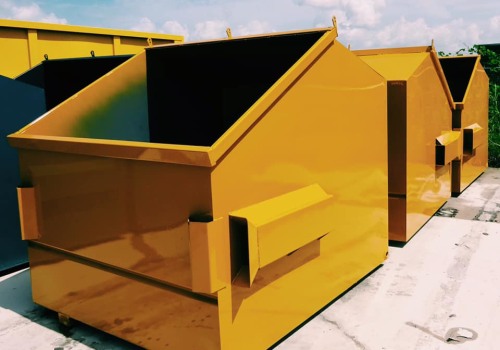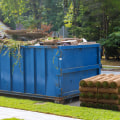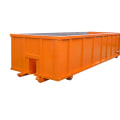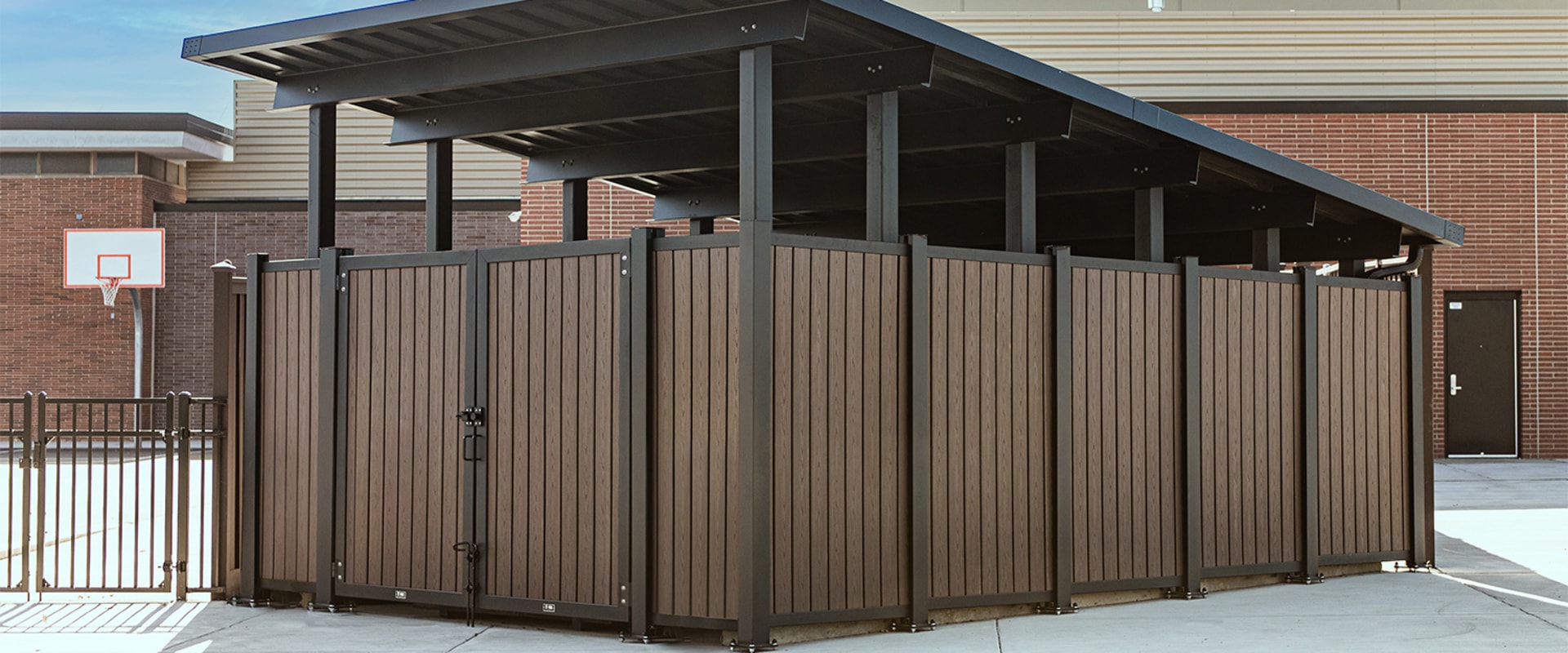
In the realm of waste management, a dumpster enclosuredumpster enclosure serves as a vital component that often goes unnoticed. Essentially, a dumpster enclosure is a structure designed to house dumpsters, providing a designated area for waste disposal while maintaining an organized and aesthetically pleasing environment. These enclosures are particularly important in commercial settings, where the volume of waste generated can be substantial. By containing dumpsters within a secure and structured space, businesses can effectively manage waste while adhering to local regulations and community standards.The significance of dumpster enclosures extends beyond mere aesthetics.
They play a crucial role in promoting hygiene and safety. Without proper enclosures, dumpsters can attract pests, create unpleasant odors, and contribute to unsightly litter around the premises. A well-designed enclosure not only mitigates these issues but also protects the contents from weather elements, reducing the risk of spillage and contamination. Furthermore, enclosures can deter unauthorized access, ensuring that only designated personnel can access the waste materials.Beyond their functional benefits, dumpster enclosures offer several advantages that enhance overall waste management practices.
For instance, they can improve operational efficiency by streamlining waste collection processes. When dumpsters are neatly contained within an enclosure, waste collection services can perform their duties more effectively, minimizing disruptions to business operations. Additionally, enclosures can be customized to fit specific needs, allowing businesses to choose materials and designs that align with their branding while ensuring compliance with local zoning laws.In summary, understanding the purpose and benefits of dumpster enclosures is essential for any business or property owner involved in waste management. As we delve deeper into the process of selecting the right size for your dumpster enclosure, it becomes clear that making informed decisions will not only enhance functionality but also contribute to a cleaner and more organized environment.
Factors to Consider When Choosing a Dumpster Enclosure Size
When it comes to selecting the right size for your dumpster enclosure, several critical factors come into play.Understanding these elements can significantly impact your waste management efficiency and compliance with local regulations.
1.Property Size and Layout
The dimensions of your property are fundamental in determining the size of your dumpster enclosure. A larger property may accommodate a bigger dumpster, while a smaller lot might necessitate a more compact solution. Additionally, consider the layout of your property:
- Accessibility: Ensure that the enclosure is easily accessible for waste collection trucks. This may require a larger turning radius or additional space for maneuvering.
- Proximity to Buildings: The distance from the dumpster to your building can affect how often you need to empty it.
A closer location may require a smaller size, as waste can be disposed of more frequently.
2.Volume of Waste Generated
Estimating the volume of waste your business or residence generates is crucial in choosing the right dumpster size. Consider the following:
- Type of Waste: Different types of waste have varying densities. For instance, construction debris is bulkier than household waste, which may require a larger enclosure.
- Frequency of Disposal: If you generate waste regularly, a smaller dumpster may suffice, as you can empty it more often. Conversely, if waste accumulates quickly, a larger dumpster will be necessary to avoid overflow.
3.Local Regulations and Zoning Laws
Before finalizing your dumpster enclosure size, familiarize yourself with local regulations and zoning laws that may dictate specific requirements:
- Permits: Some municipalities require permits for dumpster enclosures, which may include specifications on size and placement.
- Height Restrictions: Local codes may impose height limits on enclosures to maintain aesthetic standards in residential or commercial areas.
4.Future Growth Considerations
If you anticipate growth in your business or an increase in waste generation, it’s wise to plan for future needs when selecting your dumpster enclosure size.
Opting for a slightly larger enclosure can save you from having to upgrade sooner than expected.By carefully evaluating these factors—property size, waste volume, local regulations, and future growth—you can make an informed decision about the appropriate size for your dumpster enclosure. This proactive approach not only enhances operational efficiency but also ensures compliance with local laws and regulations.
Common Dumpster Sizes and Their Uses
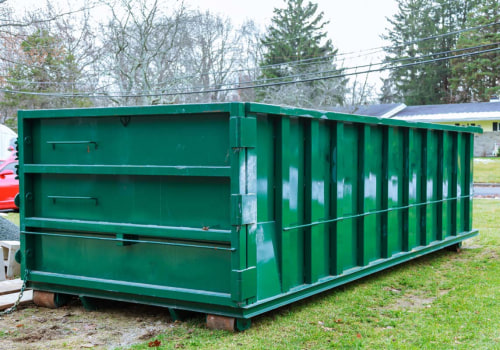
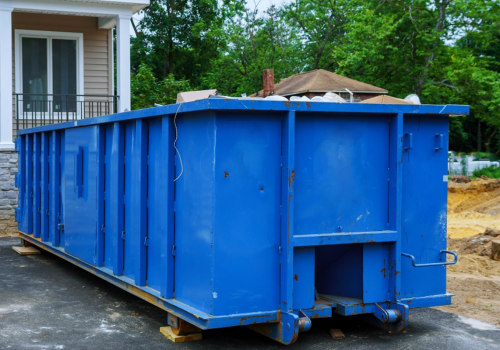
When it comes to dumpster rental, understanding the various sizes available is essential for making an informed decision. Each size serves different purposes and is suited for specific types of projects. Below, we outline the most common dumpster sizes and their typical applications to help you choose the right one for your needs.- 10-Yard Dumpster: This compact size is ideal for small-scale projects such as garage cleanouts, landscaping jobs, or minor renovations.
It can hold approximately 10 cubic yards of waste, which is roughly equivalent to three pickup truck loads.
- 20-Yard Dumpster: A popular choice for medium-sized projects, the 20-yard dumpster is perfect for home remodeling, large cleanouts, or small construction jobs. It can accommodate about 20 cubic yards of debris, making it suitable for disposing of furniture, appliances, and other bulky items.
- 30-Yard Dumpster: For larger projects like major renovations or commercial construction, a 30-yard dumpster is often the best option. It holds around 30 cubic yards of waste and can handle significant amounts of debris, including drywall, flooring, and large quantities of yard waste.
- 40-Yard Dumpster: The largest standard size available, the 40-yard dumpster is designed for extensive construction projects or large-scale cleanouts. With a capacity of about 40 cubic yards, it can accommodate heavy materials such as concrete and large amounts of mixed waste.
- Type of Waste: Different projects generate different types of waste.
Ensure that the dumpster you choose can handle the materials you plan to dispose of.
- Project Scope: Assess the scale of your project. Larger projects will naturally require bigger dumpsters to avoid multiple trips and additional costs.
- Space Availability: Ensure that you have enough space on your property for the dumpster. Measure the area where you plan to place it to avoid any logistical issues.
Calculating Your Waste Needs
When it comes to dumpster rental, accurately calculating your waste needs is essential for ensuring that you select the right size dumpster enclosure. This process involves understanding the type of project you are undertaking, the duration of the project, and the expected volume of waste generated.Here’s a step-by-step guide to help you estimate your waste needs effectively.
1.Identify the Type of Project
The first step in calculating your waste needs is to identify the type of project you are working on. Different projects generate varying amounts of waste. For instance:- Home Renovations: Projects like kitchen or bathroom remodels can produce significant debris, including old cabinets, tiles, and appliances.
- Construction Sites: New builds or major renovations often result in large volumes of construction materials such as wood, metal, and concrete.
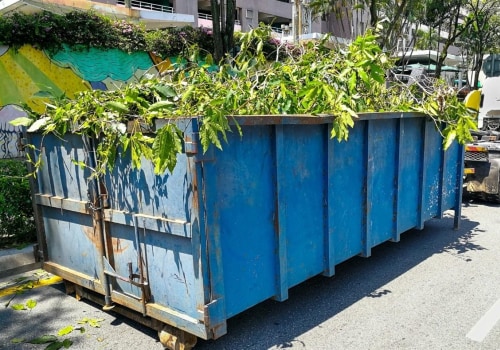
- Landscaping: Yard clean-ups and landscaping projects can generate organic waste like branches, leaves, and soil.
2.Estimate Waste Volume
Once you have identified your project type, the next step is to estimate the volume of waste you expect to generate. This can be done by:- Researching Average Waste Generation: Look for guidelines or averages related to your specific project type.
For example, a bathroom remodel may produce around 2-3 cubic yards of waste per fixture removed.
- Calculating Based on Project Size: Measure the dimensions of the area being renovated or constructed. For example, if you are remodeling a 200-square-foot kitchen, consider how much material will be removed and replaced.
- Consulting with Professionals: If you're unsure about estimating waste volume, consider consulting with a waste management professional who can provide insights based on their experience.
3.Factor in Project Duration
The duration of your project also plays a crucial role in determining dumpster size. Longer projects may require more frequent pickups or larger enclosures to accommodate ongoing waste generation. Consider how long your project will last and whether you anticipate fluctuations in waste production over time.4.Avoid Over or Under-Sizing
One of the most common mistakes when renting a dumpster is either over-sizing or under-sizing the enclosure.Over-sizing can lead to unnecessary costs, while under-sizing can result in overflow and additional trips for pickups. To avoid these pitfalls:
- Be Realistic: Base your estimates on actual measurements and research rather than assumptions.
- Plan for Contingencies: If you're unsure about your estimates, it may be wise to opt for a slightly larger dumpster to accommodate unexpected waste.
- Review Your Options: Many dumpster rental companies offer various sizes; familiarize yourself with these options to make an informed decision.
Local Regulations and Permits for Dumpster Enclosures
When planning for a dumpster enclosure, understanding local regulations and the necessary permits is essential. These regulations can significantly influence the size, placement, and overall design of your enclosure.Compliance not only helps avoid potential fines but also ensures that your waste management practices align with community standards.Each municipality has its own set of rules governing dumpster enclosures. These rules may dictate:
- Size Requirements: Local laws often specify minimum and maximum dimensions for dumpster enclosures based on the type of waste being disposed of and the volume generated by the property.
- Placement Restrictions: Regulations may outline where enclosures can be located on your property. For instance, they might prohibit placement near sidewalks, driveways, or residential areas to minimize disruption.
- Design Specifications: Some areas require enclosures to be constructed from specific materials or to include features such as gates or screening to enhance aesthetics and reduce odors.
- Accessibility Standards: Enclosures must often be designed to allow easy access for waste collection services while ensuring safety for pedestrians and vehicles.
- The Application Process: Understanding what permits are required and how to apply for them can save you time and prevent delays in your project.
- Inspection Requirements: Some jurisdictions may require inspections during or after construction to ensure compliance with local codes.
- Potential Fees: Be aware of any fees associated with obtaining permits or inspections, as these can impact your overall budget.
HOAs may have their own rules regarding the appearance and placement of dumpster enclosures that could affect your plans.In summary, taking the time to research and comply with local waste management laws is crucial when choosing the right size for your dumpster enclosure. Not only does this ensure that you meet legal requirements, but it also promotes responsible waste management practices within your community.
Design Considerations for Your Dumpster Enclosure
When it comes to designing a dumpster enclosure, several key considerations can significantly impact both its functionality and aesthetic appeal. A well-thought-out design not only enhances the overall look of your property but also ensures that the enclosure serves its purpose effectively.Aesthetic Considerations
The visual aspect of your dumpster enclosure is crucial, especially if it is located in a visible area. Here are some tips to enhance the aesthetic appeal:- Material Selection: Choose materials that complement the existing architecture of your property.
Options like wood, brick, or decorative metal can provide a more polished look.
- Color Coordination: Paint or stain the enclosure in colors that match or harmonize with your building’s exterior. This can help the enclosure blend seamlessly into its surroundings.
- Landscaping: Incorporate landscaping elements such as shrubs or flowers around the enclosure to soften its appearance and make it more inviting.
Functional Design for Dumpsters
While aesthetics are important, functionality should be at the forefront of your design considerations. Here are some functional aspects to keep in mind:- Accessibility: Ensure that the enclosure is easily accessible for both users and waste management personnel. This includes considering the width of entry points and ensuring there is enough space for maneuvering large trucks.
- Ventilation: Proper ventilation is essential to prevent odors and pests.
Design openings that allow for airflow while still maintaining security.
- Size Appropriateness: The size of the enclosure should accommodate not only the dumpster but also any additional waste containers you may need. Consider future growth in waste production when determining size.
Maintenance Tips for Your Dumpster Enclosure
Maintaining a dumpster enclosure is essential for ensuring its longevity and functionality. Regular upkeep not only enhances the aesthetic appeal of your property but also promotes hygiene and safety.Here are some effective maintenance tips to keep your dumpster enclosure in top condition:
- Regular Cleaning: Schedule routine cleanings of the enclosure to prevent the buildup of debris, odors, and pests. Use a pressure washer or a hose with a strong nozzle to remove dirt and grime. For stubborn stains, consider using a mild detergent.
- Inspect for Damage: Periodically check the structure for any signs of wear and tear, such as rust, cracks, or loose fittings. Addressing these issues promptly can prevent more significant problems down the line.
- Manage Waste Properly: Ensure that all waste is disposed of correctly within the dumpster.
Avoid overfilling, as this can lead to spillage and attract pests. Educate staff or residents on proper disposal methods to maintain cleanliness.
- Pest Control: Implement pest control measures to deter rodents and insects. This may include sealing gaps in the enclosure, using traps, or applying pest repellents around the area.
- Odor Management: To combat unpleasant odors, consider using odor-neutralizing agents or placing baking soda inside the dumpster. Regularly emptying the dumpster will also help minimize smells.
- Landscaping Considerations: Keep the area surrounding the dumpster enclosure well-maintained.
Trim back any overgrown vegetation that could harbor pests and ensure that drainage is adequate to prevent water accumulation.
Frequently Asked Questions About Dumpster Enclosures
When it comes to dumpster enclosures, many property owners and managers have questions that arise during the planning and rental process. Understanding these common inquiries can help streamline your experience and ensure you make informed decisions. Below are some frequently asked questions regarding dumpster enclosures and rentals.What is a dumpster enclosure?
A dumpster enclosure is a structure designed to conceal dumpsters from public view while providing easy access for waste disposal.These enclosures can be made from various materials, including wood, metal, or masonry, and are often used in commercial settings to maintain aesthetics and comply with local regulations.
Why do I need a dumpster enclosure?
Having a dumpster enclosure serves multiple purposes:- Aesthetic Appeal: Enclosures help keep your property looking tidy by hiding unsightly dumpsters.
- Compliance: Many municipalities require enclosures to meet zoning laws and health regulations.
- Pest Control: Enclosures can deter pests by limiting access to waste materials.
- Safety: They can prevent accidents by keeping the area around the dumpster clear of debris.
How do I choose the right size for my dumpster enclosure?
Selecting the appropriate size for your dumpster enclosure involves considering several factors:- Type of Waste: Different types of waste may require different sizes of dumpsters. For example, construction debris may need a larger container than regular trash.
- Volume of Waste: Estimate how much waste your business generates on a weekly or monthly basis to determine the size needed.
- Access Requirements: Ensure that the enclosure allows for easy access for both users and waste collection services.
Can I rent a dumpster without an enclosure?
While it is possible to rent a dumpster without an enclosure, many local regulations may require one, especially in commercial areas. It’s essential to check with your local waste management authority to understand the specific requirements in your area.What materials are best for building a dumpster enclosure?
The choice of materials for your dumpster enclosure will depend on factors such as durability, cost, and aesthetic preferences. Common materials include:- Wood: Offers a natural look but may require more maintenance over time.
- Metal: Provides durability and security but can be more expensive.
- Masonry: Offers excellent durability and can be designed to match existing structures.
Conclusion: Making an Informed Decision on Your Dumpster Enclosure Size
In conclusion, selecting the right size for your dumpster enclosure is a critical decision that can significantly impact the efficiency of your waste management process.Throughout this article, we have explored various factors that influence the appropriate dimensions for your enclosure, emphasizing the need for a tailored approach based on your specific requirements.First and foremost, understanding the volume of waste generated by your operations is essential. Whether you are managing a commercial property, a construction site, or a residential complex, accurately estimating your waste output will guide you in choosing an enclosure that accommodates your needs without excess space that could lead to unnecessary costs.Additionally, considering the frequency of waste collection plays a vital role in determining the size of your dumpster enclosure. If you anticipate frequent pickups, a smaller enclosure may suffice. However, if your waste generation is substantial or collection is less frequent, opting for a larger size can prevent overflow and maintain cleanliness around your property.Moreover, local regulations and zoning laws should not be overlooked.
Many municipalities have specific guidelines regarding dumpster sizes and enclosures. Ensuring compliance with these regulations not only avoids potential fines but also promotes responsible waste management practices.Another important aspect to consider is accessibility. Your dumpster enclosure should be easily accessible for both waste collection services and personnel responsible for managing waste. A well-placed enclosure can streamline operations and enhance safety on-site.Finally, it’s crucial to think about future growth.
If you anticipate an increase in waste generation due to business expansion or changes in operations, planning for a larger dumpster enclosure now can save you from having to make costly adjustments later.In summary, making an informed decision about your dumpster enclosure size involves careful consideration of waste volume, collection frequency, regulatory compliance, accessibility, and future needs. By taking these factors into account, you can ensure that your dumpster enclosure not only meets current demands but also adapts to future challenges effectively. Take the time to assess your unique situation and choose wisely; doing so will lead to more efficient waste management and a cleaner environment.