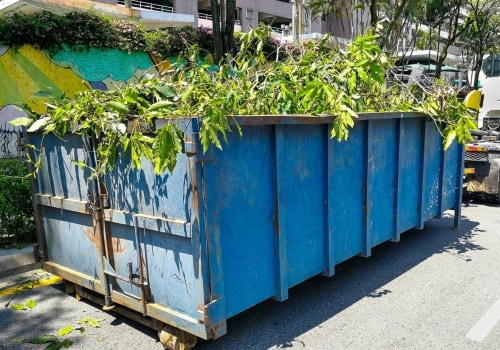
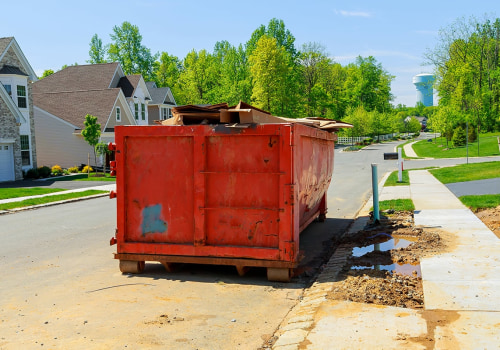
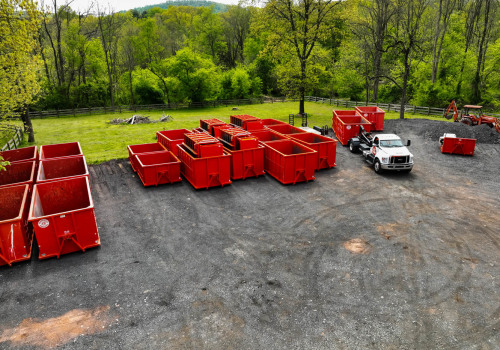
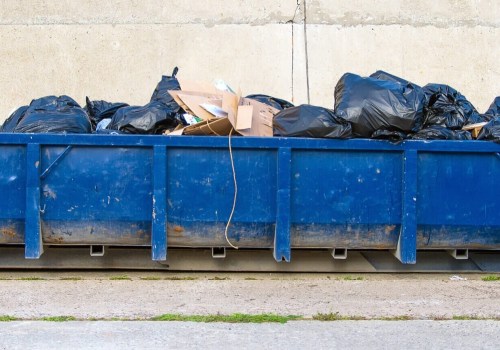
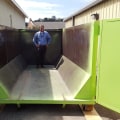
When embarking on a home renovation, construction project, or even a major cleanout, one of the most crucial aspects to consider is waste management. This is where dumpster rental comes into play. Essentially, dumpster rental is a service that provides large containers for the disposal of various types of waste, making it easier for individuals and businesses to manage debris efficiently. Whether you’re tackling a small DIY project or overseeing a large commercial construction site, understanding the fundamentals of dumpster rental can significantly streamline your operations.The importance of dumpster rental cannot be overstated.
It not only helps in maintaining a clean and organized work environment but also ensures compliance with local waste disposal regulations. In New Jersey, where strict guidelines govern waste management, having a reliable dumpster rental service can save you from potential fines and legal issues. Moreover, it allows for the safe disposal of hazardous materials, construction debris, and other waste types that cannot simply be thrown away in regular trash bins.Moreover, dumpster rental services come in various sizes and types to accommodate different project needs. From small 10-yard containers suitable for minor home cleanouts to larger 40-yard dumpsters designed for extensive renovations or commercial projects, there’s a solution for every situation.
Understanding these options is essential for selecting the right dumpster that not only fits your project requirements but also aligns with your budget.In summary, dumpster rental is an invaluable resource for anyone looking to manage waste effectively during a project. By grasping the basics of how dumpster rentals work and their significance in waste management, you can set the stage for maximizing savings and efficiency in your upcoming endeavors. As we delve deeper into this topic, we will explore the various factors influencing dumpster rental costs and provide practical tips to help you make informed decisions.
Factors Influencing Dumpster Rental Costs in New Jersey
When considering dumpster rental in New Jersey, several key factors come into play that can significantly influence the overall cost. Understanding these elements is essential for making informed decisions and maximizing your savings.1.Dumpster Size
The size of the dumpster you choose is one of the most significant factors affecting rental costs.
Dumpsters typically range from 10 to 40 cubic yards, with larger sizes accommodating more waste. Here’s a quick breakdown:
- 10-yard dumpster: Ideal for small cleanouts or minor renovations.
- 20-yard dumpster: Suitable for medium-sized projects like kitchen remodels.
- 30-yard dumpster: Best for larger renovations or construction sites.
- 40-yard dumpster: Designed for major construction projects or large-scale cleanouts.
2.Weight Limits
Each dumpster comes with a weight limit, which is another critical factor in determining rental costs. Exceeding this limit can result in additional fees, often referred to as overage charges. It’s essential to estimate the weight of your waste accurately to avoid unexpected expenses.
For example:
- A 10-yard dumpster typically has a weight limit of around 2 tons.
- A 20-yard dumpster usually accommodates up to 3 tons.
- Larger dumpsters can handle even more, but always check with your rental company for specifics.
3.Rental Duration
The length of time you need the dumpster also plays a role in pricing. Most companies offer a standard rental period (often around 7 days), but extending this duration can incur additional daily fees. If you anticipate needing the dumpster for an extended period, it’s wise to discuss this upfront with your rental provider to understand any potential costs involved.
4.Location
Your geographical location within New Jersey can also impact rental prices. Areas with higher demand or stricter regulations may see increased rates.
Additionally, transportation costs can vary based on distance from the rental company’s facility to your project site. Always inquire about any location-based fees when obtaining quotes.
5.Type of Waste
The type of materials you plan to dispose of can affect costs as well. Certain items, such as hazardous waste or electronics, may require special handling and disposal methods, leading to higher fees. Be sure to clarify what types of waste are acceptable in your chosen dumpster and any associated costs.By understanding these factors—size, weight limits, rental duration, location, and type of waste—you can better navigate the dumpster rental process in New Jersey and make choices that align with your budget and project requirements.
Types of Dumpsters Available for Rent
When considering a dumpster rental in New Jersey, understanding the various types and sizes available is crucial for making an informed decision.Each project has unique requirements, and selecting the right dumpster can significantly impact both efficiency and cost.
Types of Dumpsters
Dumpsters come in several types, each designed for specific waste disposal needs:- Standard Roll-Off Dumpsters: These are the most common type of dumpsters used for residential and commercial projects. They are available in various sizes, typically ranging from 10 to 40 cubic yards. Roll-off dumpsters are ideal for construction debris, home renovations, and large cleanouts.
- Front Load Dumpsters: Often used by businesses for regular waste collection, front load dumpsters are smaller and can be emptied more frequently. They are available in sizes from 2 to 8 cubic yards and are perfect for ongoing waste management needs.
- Specialty Dumpsters: These include containers designed for specific materials such as yard waste, concrete, or hazardous materials.
Specialty dumpsters ensure that waste is disposed of properly and in compliance with local regulations.
Understanding Dumpster Sizes
The size of the dumpster you choose will directly affect your rental cost. Here’s a breakdown of common dumpster sizes and their typical uses:- 10 Cubic Yards: Suitable for small cleanouts or minor renovations, this size can hold about 3 pickup truck loads of debris.
- 20 Cubic Yards: A popular choice for medium-sized projects like kitchen remodels or larger cleanouts, accommodating approximately 6 pickup truck loads.
- 30 Cubic Yards: Ideal for larger construction projects or significant home renovations, this size can handle around 9 pickup truck loads.
- 40 Cubic Yards: The largest option available, perfect for major construction sites or large-scale cleanouts, holding about 12 pickup truck loads.
Choosing the Right Dumpster Size
Selecting the appropriate dumpster size is essential to avoid overpaying or running out of space during your project. Here are some tips to help you choose wisely:- Assess Your Project: Consider the type and volume of waste you will generate. A thorough assessment will help you determine the right size.
- Consult with Professionals: Don’t hesitate to reach out to your dumpster rental company for advice.
They can provide insights based on their experience with similar projects.
- Plan for Extra Space: If you're unsure about the amount of waste you'll produce, it’s often better to opt for a slightly larger dumpster to avoid overflow issues.
Average Dumpster Rental Costs in New Jersey
When considering a dumpster rental in New Jersey, understanding the average costs can significantly impact your budgeting and project planning. The prices for dumpster rentals can vary widely based on several factors, including the size of the dumpster, the type of waste being disposed of, and the rental duration.On average, homeowners and contractors can expect to pay between $300 and $600 for a standard 10 to 20-yard dumpster rental. Here’s a breakdown of typical costs based on dumpster sizes:- 10-Yard Dumpster: Ideal for small cleanouts or minor renovations, typically ranges from $250 to $400 .
- 20-Yard Dumpster: Suitable for medium-sized projects like home remodels or large cleanouts, usually costs between $300 and $500 .
- 30-Yard Dumpster: Best for larger construction jobs or significant cleanouts, with prices ranging from $400 to $600 .
- 40-Yard Dumpster: Designed for major construction projects or large-scale cleanouts, often priced between $500 and $800 .
Furthermore, hazardous materials may require special handling and disposal fees, which can increase overall costs.Another factor affecting pricing is the rental duration. Most companies offer a standard rental period of 7 to 10 days. If you need the dumpster for a longer period, be prepared for additional daily fees that can range from $10 to $20 per day .It’s also important to consider any local regulations or permits that may be required in your area. Some municipalities in New Jersey may require a permit for placing a dumpster on public property, which could add another layer of cost.Overall, while the average costs provide a useful guideline, it’s essential to obtain quotes from multiple providers to ensure you’re getting the best deal.
By understanding these pricing trends and factors, you can make informed decisions that maximize your savings on your next dumpster rental.
Hidden Fees and Additional Charges to Watch Out For
When renting a dumpster, many customers focus primarily on the base rental fee, but it’s crucial to be aware of potential hidden fees and additional charges that can significantly increase your overall costs. Understanding these charges can help you budget more effectively and avoid unpleasant surprises.Common Hidden Fees
- Weight Overages: Most dumpster rental companies include a weight limit in their base price. If your debris exceeds this limit, you may incur additional charges per ton. It’s essential to estimate the weight of your waste accurately to avoid these fees.
- Extended Rental Periods: While many companies offer a standard rental period (usually 7-10 days), keeping the dumpster longer than agreed can lead to extra daily fees.
Always clarify the rental duration and any associated costs for extensions.
- Permitting Fees: If you need to place the dumpster on a public street or sidewalk, you may require a permit from your local municipality. This fee can vary widely depending on your location, so check with your city or town before renting.
- Fuel Surcharges: Some companies may add a fuel surcharge based on current gas prices. This fee is often not included in the initial quote, so ask about it upfront.
- Prohibited Items: Certain materials, such as hazardous waste, electronics, or appliances, may not be allowed in the dumpster. If you include these items, you could face hefty fines or additional disposal fees.
Avoiding Extra Costs
To minimize unexpected expenses when renting a dumpster, consider the following tips:
- Get Detailed Quotes: Always request a comprehensive quote that outlines all potential fees.
This transparency will help you understand what you’re paying for and avoid surprises later.
- Know Your Waste: Be clear about what type of materials you’ll be disposing of and their estimated weight. This knowledge will help you choose the right dumpster size and avoid weight overages.
- Read the Fine Print: Carefully review the rental agreement for any clauses regarding additional charges. Understanding these terms can save you money in the long run.
- Communicate with Your Provider: Don’t hesitate to ask questions about any unclear charges or policies. A reputable dumpster rental company will be happy to clarify any concerns.
Tips for Maximizing Savings on Dumpster Rentals
When it comes to dumpster rental, understanding how to maximize your savings can make a significant difference in your overall project costs.Here are some practical tips and strategies to help you save money on your next dumpster rental:
- Plan Ahead: One of the most effective ways to save on dumpster rental costs is to plan your project in advance. By estimating the amount of waste you will generate, you can choose the right size dumpster, avoiding unnecessary fees for overage or additional rentals.
- Compare Quotes: Don’t settle for the first quote you receive. Reach out to multiple dumpster rental companies in New Jersey and compare their prices, services, and terms. This not only gives you a better idea of the market rate but also provides leverage when negotiating.
- Understand Pricing Structures: Familiarize yourself with how different companies calculate their prices.
Some may charge a flat fee, while others might have variable rates based on weight, type of waste, or rental duration. Knowing these details can help you choose a provider that offers the best value for your specific needs.
- Choose the Right Size: Selecting a dumpster that is too large can lead to unnecessary costs. Conversely, opting for one that is too small may result in additional fees for extra pickups or overage charges. Assess your project requirements carefully to find the perfect balance.
- Negotiate: Don’t hesitate to negotiate with rental companies.
Many are willing to offer discounts or match competitors’ prices, especially if you are renting for an extended period or ordering multiple dumpsters.
- Be Mindful of Weight Limits: Most dumpster rentals come with weight limits. Exceeding these limits can incur hefty additional charges. Make sure to understand these limits and plan your disposal accordingly.
- Avoid Prohibited Items: Each dumpster rental company has a list of prohibited items that cannot be disposed of in their containers. Disposing of these items can lead to extra fees or even legal penalties.
Always check what is allowed before loading your dumpster.
- Schedule Your Rental Wisely: If possible, schedule your dumpster rental during off-peak times. Some companies may offer lower rates during weekdays compared to weekends when demand is higher.
Frequently Asked Questions About Dumpster Rentals in New Jersey
When considering a dumpster rental in New Jersey, many individuals and businesses have questions that can impact their decision-making process. Below are some of the most frequently asked questions regarding dumpster rentals, along with clear and concise answers to help you navigate your options.What sizes of dumpsters are available for rent?
Dumpster sizes typically range from 10 to 40 cubic yards.The size you choose will depend on the scope of your project:
- 10-yard dumpster: Ideal for small cleanouts or minor renovations.
- 20-yard dumpster: Suitable for medium-sized projects like garage cleanouts or larger home renovations.
- 30-yard dumpster: Best for significant renovations or large construction projects.
- 40-yard dumpster: Designed for major construction jobs or large-scale cleanouts.
How much does it cost to rent a dumpster in New Jersey?
The cost of renting a dumpster can vary based on several factors, including:- Size of the dumpster: Larger dumpsters generally cost more.
- Rental duration: Longer rental periods may incur additional fees.
- Type of waste: Certain materials, like hazardous waste, may lead to higher costs.
- Location: Prices can differ based on your specific area within New Jersey.
What items are prohibited from being placed in a dumpster?
While dumpsters can accommodate a wide range of materials, there are restrictions on certain items. Commonly prohibited items include:- Hazardous materials (e.g., chemicals, batteries)
- Electronics (e.g., TVs, computers)
- Appliances (e.g., refrigerators, air conditioners)
- Tires and other automotive parts
How do I know what size dumpster I need?
The best way to determine the appropriate size is to assess the volume of waste you expect to generate. Consider the type of project you are undertaking and consult with your rental company for guidance. They can provide recommendations based on your specific needs and help you avoid overpaying for unnecessary space.Can I keep the dumpster longer than the rental period?
If you find that you need more time, most companies allow extensions for an additional fee.It’s essential to communicate with your rental provider as soon as possible to discuss your options and avoid any late fees.By addressing these common questions, we hope to make your experience with dumpster rentals in New Jersey smoother and more informed. Always feel free to reach out to your rental company for any additional inquiries or clarifications regarding your specific situation.
Conclusion: Making Informed Decisions for Your Dumpster Rental Needs
In conclusion, understanding the intricacies of dumpster rental costs in New Jersey is essential for anyone looking to manage waste effectively and economically. Throughout this article, we have explored various factors that influence rental prices, including dumpster size, rental duration, weight limits, and additional fees. By being aware of these elements, you can make informed decisions that not only meet your project needs but also help you stay within budget.One of the most significant takeaways is the importance of comparing quotes from multiple providers.Each company may have different pricing structures and policies, so taking the time to research and evaluate your options can lead to substantial savings. Additionally, understanding the specific requirements of your project will allow you to choose the right dumpster size, which can prevent overpaying for unnecessary capacity.Moreover, being proactive about understanding local regulations and potential extra charges can save you from unexpected costs. For instance, some municipalities in New Jersey may require permits for placing a dumpster on public property or have specific guidelines regarding what can be disposed of in a dumpster. Familiarizing yourself with these rules can help you avoid fines and ensure a smooth rental experience.Finally, consider the timing of your rental.
Demand for dumpsters can fluctuate based on the season or local events, which may affect pricing. Planning ahead and scheduling your rental during off-peak times can lead to better rates.By keeping these insights in mind, you can navigate the dumpster rental process with confidence. Whether you're a homeowner tackling a renovation or a contractor managing a construction site, making informed choices will ultimately maximize your savings and enhance your project’s efficiency.