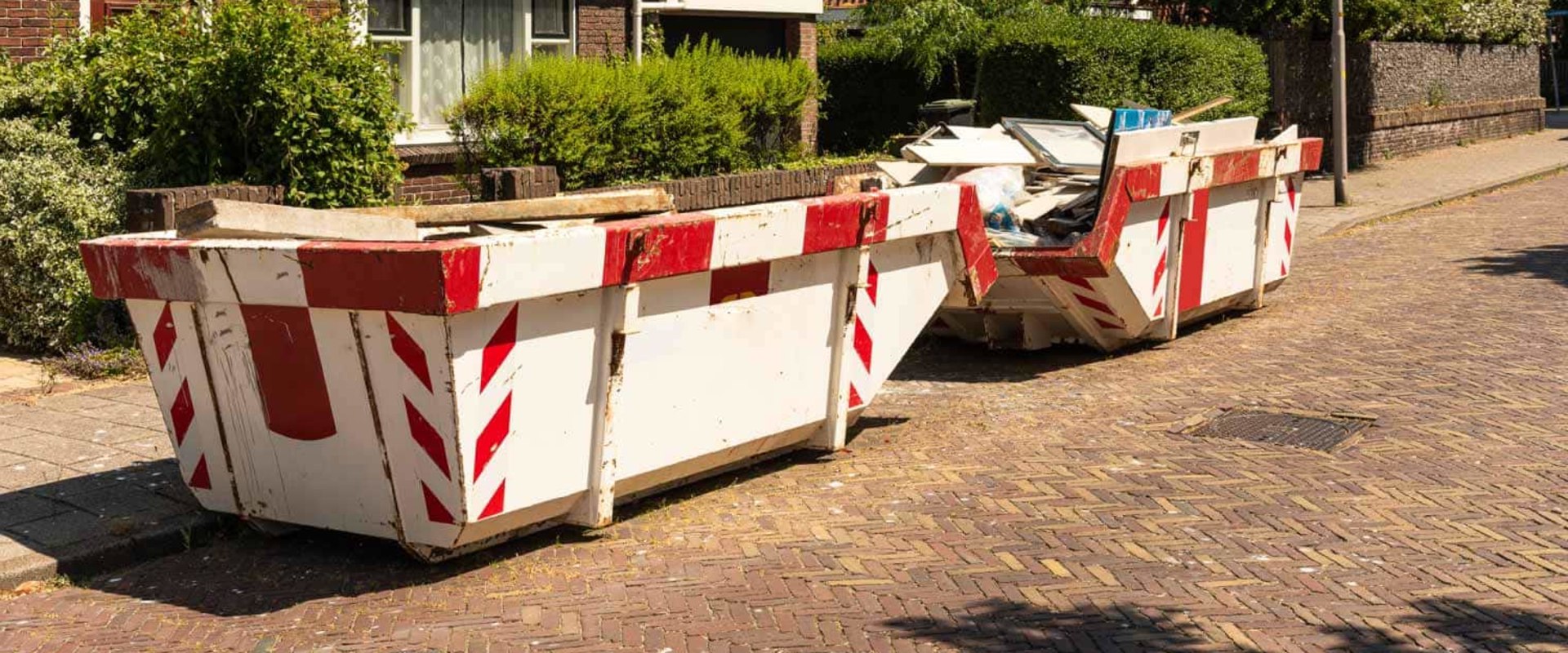
When it comes to managing waste effectively, dumpster rental has become an essential service for both homeowners and businesses in Pittsburgh. Whether you're undertaking a home renovation, clearing out clutter, or managing a construction site, having the right dumpster can make all the difference in maintaining an organized and efficient workspace. However, before you dive into the process of renting a dumpster, it's crucial to understand the local regulations that govern its placement, particularly regarding permit requirements. Pittsburgh's unique landscape and urban environment mean that the rules surrounding dumpster rentals can vary significantly depending on where you plan to place your container. If you're considering placing a dumpster on public property—such as a city street or sidewalk—it's important to note that you will likely need to obtain a city permit.
This requirement is designed to ensure public safety and maintain accessibility for pedestrians and vehicles alike. On the other hand, if your dumpster will be situated on private property, such as your driveway or yard, permits are generally not required, making the process simpler. Understanding these distinctions is vital for anyone looking to rent a dumpster in Pittsburgh. Not only does it help you avoid potential fines or delays, but it also ensures that your project proceeds smoothly without unnecessary interruptions. As we delve deeper into this topic, we will explore the specific permit requirements for different scenarios, how to apply for these permits, and tips for ensuring compliance with local regulations.
By arming yourself with this knowledge, you can make informed decisions that will facilitate your waste management needs while adhering to Pittsburgh's guidelines.
Understanding Dumpster Rental Permits
A dumpster rental permit is an official authorization required by local authorities to place a dumpster on public property, such as streets or sidewalks. This permit ensures that the placement of the dumpster does not obstruct traffic, create hazards, or violate local regulations. Understanding the necessity of this permit is crucial for anyone considering a dumpster rental in Pittsburgh.In Pittsburgh, the regulations surrounding dumpster rentals are designed to maintain public safety and order. When you plan to rent a dumpster, it’s essential to determine whether you will be placing it on private or public property.Generally, if the dumpster is situated on private property—like your driveway or yard—a permit is not required. However, if you intend to place it on a public right-of-way, such as a city street or sidewalk, obtaining a permit becomes necessary.Here are some key points regarding dumpster rental regulations in Pittsburgh:
- Public Property Placement: A permit is mandatory for dumpsters placed on public property. This includes any area that is accessible to the general public.
- Application Process: Residents can apply for a dumpster rental permit at the Department of Public Works permit desk. It’s advisable to check with them for specific requirements and fees associated with the application. Residents can apply for a dumpster rental permit at the Department of Public Works permit desk. It’s advisable to check with them for specific requirements and fees associated with the application.
- Duration and Usage: The cost of the permit may vary based on how long you plan to keep the dumpster and its intended use.
Longer rentals or those that block traffic may incur higher fees.
- Local Regulations: Each municipality may have different rules regarding dumpster placement and permits. Therefore, it’s crucial to consult local guidelines before proceeding with your rental.
When Is a Permit Required for Dumpster Rental in Pittsburgh?
Understanding when a permit is required for dumpster rental in Pittsburgh is essential for ensuring compliance with local regulations and avoiding potential fines. The need for a permit largely depends on the location where the dumpster will be placed, specifically whether it is on public or private property.Public Property Considerations
- If you plan to place a dumpster on public property, such as a city street, sidewalk, or any area that is accessible to the general public, you will almost certainly need to obtain a permit.
- Permits are necessary to ensure that the placement of the dumpster does not obstruct traffic or pedestrian pathways, which could pose safety hazards.
- In Pittsburgh, residents can apply for a dumpster permit through the Department of Public Works.
It’s advisable to check with this department before ordering your dumpster to confirm the specific requirements and fees associated with your permit application.
Private Property Guidelines
- When placing a dumpster on private property, such as your own driveway or yard, permits are generally not required. This makes it easier for homeowners and contractors to manage waste disposal without additional bureaucratic hurdles.
- However, it’s still important to consider local zoning laws and any homeowner association rules that may apply. Some neighborhoods may have restrictions on the size or duration of dumpster rentals.
Key Factors Influencing Permit Requirements
- The type of project you are undertaking can also influence whether a permit is needed. For example, larger construction projects or those that significantly impact public spaces may have stricter regulations.
- The duration for which you intend to keep the dumpster in place can also affect permit requirements.
Longer rental periods may necessitate additional approvals.
How to Obtain a Dumpster Rental Permit in Pittsburgh
Obtaining a dumpster rental permit in Pittsburgh is a straightforward process, but it requires attention to detail and adherence to local regulations. Here’s a step-by-step guide to help you navigate the permit application process.1.Determine the Need for a Permit
Before you begin the application process, assess whether you need a permit. If you plan to place your dumpster on public property, such as a street or sidewalk, a permit is mandatory.
However, if the dumpster will be situated on private property, you typically do not need a permit.
2.Visit the Department of Public Works
The next step is to visit the Department of Public Works in Pittsburgh. This department is responsible for issuing permits related to public property usage. You can find their office at:
- Department of Public Works
- City-County Building
- 414 Grant Street
- Pittsburgh, PA 15219
3.Complete the Application Form
Once at the Department of Public Works, you will need to fill out an application form for your dumpster rental permit. This form typically requires:
- Your name and contact information
- The address where the dumpster will be placed
- The duration for which you will need the dumpster
- A description of the project necessitating the dumpster rental
4.Provide Necessary Documentation
You may also need to submit additional documentation along with your application.
This could include:
- A site plan showing where the dumpster will be located
- Proof of insurance, if applicable
- Any other relevant permits or approvals related to your project
5.Pay Applicable Fees
There are usually fees associated with obtaining a dumpster rental permit in Pittsburgh. The amount can vary based on factors such as:
- The length of time you intend to keep the dumpster
- The specific location where it will be placed
- The type of project being undertaken
6.Await Approval
After submitting your application and paying any required fees, you will need to wait for approval from the city. The processing time can vary, so it’s wise to apply well in advance of when you plan to have the dumpster delivered.
7.Follow Local Regulations During Use
Once you receive your permit, ensure that you adhere to all local regulations regarding dumpster placement and usage. This includes keeping the area around the dumpster clear and ensuring that it does not obstruct traffic or pedestrian pathways.
Common Questions About Dumpster Rental Permits
When considering a dumpster rental in Pittsburgh, many potential renters have questions regarding the necessity of permits.Understanding these common inquiries can help streamline the process and ensure compliance with local regulations.
- Do I need a permit for a dumpster on my private property?
Generally, you do not need a permit to place a dumpster on private property. However, it’s always wise to check with your homeowner's association or local regulations to avoid any unexpected issues. - What about placing a dumpster on public property?
If you plan to position your dumpster on public property, such as a street or sidewalk, you will likely need to obtain a city permit. This is crucial to avoid fines and ensure that your rental complies with local laws. - How do I apply for a dumpster permit in Pittsburgh?
To apply for a dumpster permit, visit the Department of Public Works permit desk in Pittsburgh. They provide the necessary forms and guidance on the application process. - What factors determine whether I need a permit?
Several factors can influence the need for a permit, including the location of the dumpster, its size, and how long you intend to keep it.If it obstructs traffic or pedestrian pathways, a permit is typically required.
- Are there fees associated with obtaining a dumpster permit?
Yes, there are usually fees involved when applying for a dumpster permit. These fees can vary based on the duration of the rental and the specific regulations of your area. - Can I rent a dumpster without prior notice?
It is not advisable to rent a dumpster without checking if you need a permit first. Doing so could lead to complications or fines if you inadvertently violate local regulations.
Consequences of Not Obtaining a Permit
When considering a dumpster rental in Pittsburgh, it is crucial to understand the potential consequences of not obtaining the necessary permits.Failing to secure a permit can lead to a variety of penalties and legal issues that can complicate your project and incur additional costs.
Penalties for Not Getting a Permit
- Fines: One of the most immediate consequences of placing a dumpster without a permit is the risk of incurring fines. The city of Pittsburgh has specific regulations in place, and violating these can result in monetary penalties that vary based on the severity of the infraction.
- Removal Orders: If you are found to be using a dumpster without the proper authorization, city officials may issue a removal order. This means you will be required to remove the dumpster immediately, disrupting your project timeline and potentially leading to further costs.
- Increased Fees: In some cases, if you are caught operating without a permit, you may face increased fees when you eventually apply for one. Authorities may impose additional charges as a deterrent against non-compliance.
Risks of Renting Without a Permit
Renting a dumpster without securing the appropriate permit not only exposes you to fines but also increases your risk of legal complications.
For instance, if someone were to get injured due to your dumpster obstructing a public pathway, you could be held liable for damages. This could lead to costly lawsuits and insurance claims that could have been avoided with proper compliance.
Legal Issues with Dumpsters
- Citations: Local authorities have the right to issue citations for violations related to dumpster placement. These citations can lead to court appearances and further legal ramifications if not addressed promptly.
- Impact on Future Projects: A history of non-compliance can affect your ability to obtain permits for future projects. If you have been cited for violations in the past, it may become more challenging to secure necessary permits down the line.
It is always advisable to consult with local authorities and ensure that all necessary permits are obtained before proceeding with your rental.
Best Practices for Renting a Dumpster in Pittsburgh
When it comes to renting a dumpster in Pittsburgh, following best practices can make the process smoother and more efficient. Here are some essential tips to consider:- Understand Local Regulations: Before renting a dumpster, familiarize yourself with the local laws and regulations regarding dumpster placement. In Pittsburgh, if you plan to place the dumpster on public property, such as a street or sidewalk, you will likely need a permit. Always check with the Department of Public Works to ensure compliance.
- Choose the Right Size: Selecting the appropriate dumpster size is crucial.
Assess the volume of waste you expect to generate and choose a dumpster that can accommodate it without overflowing. Common sizes range from 10 to 40 yards, so consider your project’s needs carefully.
- Plan for Placement: The location of your dumpster can significantly impact its accessibility and efficiency. Ideally, place it on a flat, stable surface that is easily accessible for the delivery truck. Avoid placing it near low-hanging branches or power lines that could obstruct delivery or pickup.
- Duration of Rental: Consider how long you will need the dumpster.
Most rental companies offer flexible rental periods, but keeping it longer than necessary can incur additional fees. Plan your project timeline accordingly to minimize costs.
- Load It Wisely: When filling your dumpster, distribute the weight evenly and avoid overloading it. This not only ensures safety during transport but also helps you maximize space. Place heavier items at the bottom and lighter materials on top.
- Be Mindful of Prohibited Items: Different rental companies have specific guidelines regarding what can and cannot be disposed of in their dumpsters.
Commonly prohibited items include hazardous materials, electronics, and certain types of construction debris. Always check with your rental provider to avoid fines or complications.
Conclusion: Navigating Dumpster Rental Permits in Pittsburgh
In summary, navigating the landscape of dumpster rental permits in Pittsburgh requires a clear understanding of local regulations and practices. As we have discussed, the necessity for a permit largely depends on where you plan to place your dumpster.If your dumpster will occupy a public space, such as a street or sidewalk, obtaining a city permit is essential. This ensures compliance with local laws and helps avoid potential fines or legal issues.On the other hand, if you are placing your dumpster on private property, the good news is that permits are typically not required. This can simplify the rental process significantly, allowing you to focus on your project without the added stress of navigating bureaucratic hurdles.It is crucial to conduct thorough research before renting a dumpster. Understanding the specific requirements of your neighborhood and consulting with local authorities can save you time and money.
The Department of Public Works in Pittsburgh is an excellent resource for residents seeking information about permits and regulations related to dumpster rentals.Moreover, as the city continues to streamline its permitting process, it is becoming increasingly easier for residents to obtain the necessary approvals for their projects. This positive trend reflects Pittsburgh's commitment to supporting community improvement efforts while maintaining public safety and order.In conclusion, whether you are undertaking a home renovation, a large construction project, or simply decluttering your space, being informed about dumpster rental permits is vital. By adhering to local regulations and practicing responsible renting habits, you can ensure a smooth and efficient waste disposal process. Always remember to check with local authorities before proceeding with your rental to avoid any unexpected complications.