When embarking on any project that generates waste, understanding the fundamentals of dumpster rental is crucial. Whether you are renovating your home, managing a construction site, or simply decluttering your space, having the right dumpster can significantly streamline the waste management process. A dumpster not only provides a designated space for your debris but also ensures that your project remains organized and compliant with local regulations regarding waste disposal.One of the first steps in effective waste management is recognizing the various dumpster sizes available for rental. Dumpsters come in a range of sizes, typically measured in cubic yards, which can accommodate different volumes of waste.
From small 2-yard containers suitable for minor cleanouts to larger 40-yard roll-off dumpsters designed for extensive construction projects, selecting the appropriate size is essential to avoid overflows or unnecessary costs associated with multiple rentals.Moreover, understanding the importance of waste management cannot be overstated. Proper disposal of waste not only helps maintain a clean environment but also contributes to sustainability efforts by ensuring that recyclable materials are processed correctly. By renting a dumpster, you are taking a proactive step towards responsible waste management, allowing you to focus on your project without the added stress of where to put all the debris.As we delve deeper into the specifics of choosing the right dumpster size for your project, it’s important to consider factors such as the type of materials you will be disposing of and the volume of waste expected. This foundational knowledge will empower you to make informed decisions that align with both your project needs and environmental responsibilities.
Why Choosing the Right Dumpster Size Matters
When embarking on any project that generates waste, whether it’s a home renovation, a commercial construction site, or a simple decluttering effort, the importance of selecting the right dumpster size cannot be overstated.Choosing an appropriate dumpster size is crucial for several reasons, including cost efficiency, convenience, and compliance with local regulations.
Cost Efficiency
One of the most significant factors to consider when renting a dumpster is the cost associated with it. Dumpsters are typically priced based on their size and the duration of the rental period. If you opt for a dumpster that is too small for your project, you may find yourself needing to rent an additional dumpster or make multiple trips to dispose of waste. This not only increases your overall costs but also consumes valuable time.
Conversely, renting a dumpster that is larger than necessary can lead to unnecessary expenses as well. Therefore, accurately estimating your waste volume and selecting a dumpster that aligns with your needs can lead to substantial savings.
Convenience
Another critical aspect of choosing the right dumpster size is convenience. A dumpster that is too small can quickly become overwhelmed, leading to overflow and mess. This situation can create safety hazards and complicate your project timeline.
On the other hand, having a dumpster that is appropriately sized allows for easy access and efficient loading of materials. It minimizes the need for frequent trips to the landfill and helps maintain a clean work environment.
Compliance with Local Regulations
Many municipalities have specific regulations regarding waste disposal, including restrictions on what can be thrown away and how much waste can be placed in a single container. Selecting the right dumpster size ensures that you remain compliant with these regulations, avoiding potential fines or penalties. Additionally, some areas may have weight limits for dumpsters; exceeding these limits can result in extra charges or even damage to roadways during transport.In summary, taking the time to choose the right dumpster size is essential for effective project waste management.
By considering factors such as cost efficiency, convenience, and compliance with local regulations, you can ensure that your project runs smoothly and stays within budget. Always consult with your dumpster rental provider to gain insights into which size will best suit your specific needs.
Factors to Consider When Selecting a Dumpster Size
When it comes to dumpster rental, selecting the appropriate size is crucial for the success of your project. Several factors play a significant role in determining the right dumpster size, and understanding these can help you avoid unnecessary costs and complications.1.Type of Waste
The first factor to consider is the type of materials you will be disposing of. Different types of waste have varying densities and volumes, which can affect how much can fit into a dumpster.For instance:
- Construction Debris: If you're dealing with heavy materials like concrete, bricks, or metal, you may need a smaller dumpster than you would for lighter materials, as these items take up less space but weigh more.
- Household Junk: For general household waste, a larger dumpster may be necessary since items like furniture and appliances can take up significant space.
- Yard Waste: Organic materials such as branches and leaves can be bulky but are relatively lightweight. A larger dumpster may be needed to accommodate the volume.
2.Volume of Waste
The amount of waste generated is another critical factor. Estimating the volume of waste can be challenging, but there are some guidelines you can follow:- Project Size: For small projects like a garage cleanout, a 10-yard dumpster might suffice. However, larger renovations or construction projects may require 20 yards or more.
- Frequency of Disposal: If your project will generate waste continuously over time, consider renting a larger dumpster to minimize the frequency of pickups.
3.Space Availability
The physical space available for placing the dumpster is also an essential consideration.Ensure that:
- The area is accessible for delivery trucks.
- There is enough room for the dumpster itself without obstructing pathways or driveways.
- You comply with local regulations regarding placement, which may dictate where dumpsters can be located.
Common Dumpster Sizes and Their Capacities
When it comes to dumpster rental, understanding the various sizes available is crucial for selecting the right one for your project. Each dumpster size is designed to accommodate specific types and amounts of waste, making it essential to choose wisely. Below is a detailed overview of common dumpster sizes, their capacities, and ideal use cases.- 2-Yard Dumpster: This compact option is perfect for small cleanouts or minor renovations.
It can hold approximately 12 garbage bags, making it suitable for small businesses or residential projects that generate minimal waste. It can hold approximately 12 garbage bags, making it suitable for small businesses or residential projects that generate minimal waste.
- 4-Yard Dumpster: Slightly larger than the 2-yard option, this dumpster can accommodate around 24 garbage bags. It’s ideal for small to medium-sized businesses or home projects like garage cleanouts and landscaping.
- 6-Yard Dumpster: With a capacity of about 36 garbage bags, the 6-yard dumpster is a popular choice for larger residential projects or commercial needs. It’s great for medium-sized renovations, such as kitchen remodels or larger landscaping jobs.
- 8-Yard Dumpster: This size can hold approximately 56 garbage bags and is often used by larger businesses or during significant construction projects. It’s suitable for heavy debris like concrete or large amounts of yard waste.
- 10-Yard Dumpster: Ideal for larger home renovations or construction projects, the 10-yard dumpster can hold about 100 garbage bags.
It’s perfect for roofing jobs, large cleanouts, or significant remodeling tasks.
- 20-Yard Dumpster: This size is commonly used for major home renovations or large construction sites. With a capacity of around 200 garbage bags, it’s suitable for extensive cleanouts and large-scale projects.
- 30-Yard Dumpster: Designed for substantial construction projects or large commercial jobs, the 30-yard dumpster can hold approximately 300 garbage bags. It’s ideal for heavy materials and large volumes of waste.
- 40-Yard Dumpster: The largest option available, this dumpster can accommodate around 400 garbage bags. It’s typically used for major construction sites or extensive cleanouts where maximum capacity is required.
Always consider the type of materials you’ll be disposing of and consult with your dumpster rental provider to ensure you select the most appropriate size for your needs.
Types of Dumpsters Available for Rental
When it comes to dumpster rental, understanding the different types of dumpsters available is crucial for selecting the right one for your project. Each type of dumpster serves specific purposes and is designed to accommodate various waste disposal needs. Below, we explore the two primary types of dumpsters: roll-off containers and front-load containers.Roll-Off Dumpsters
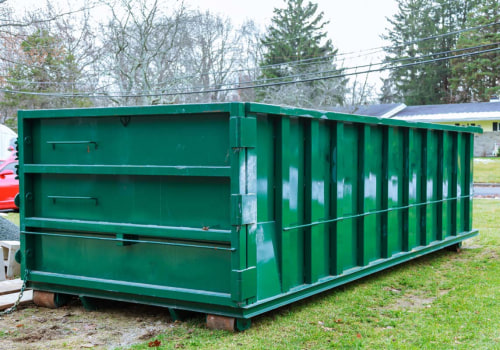
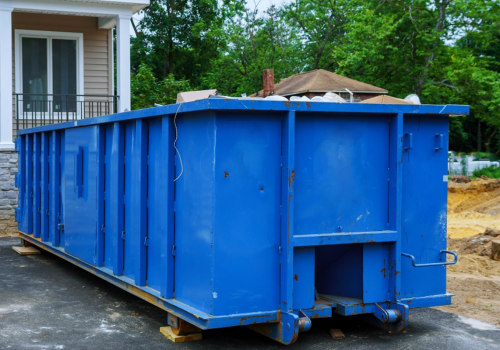
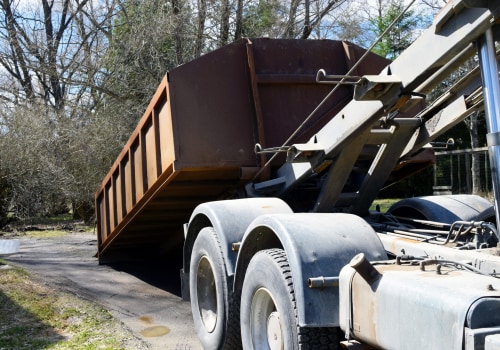
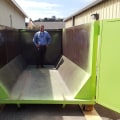
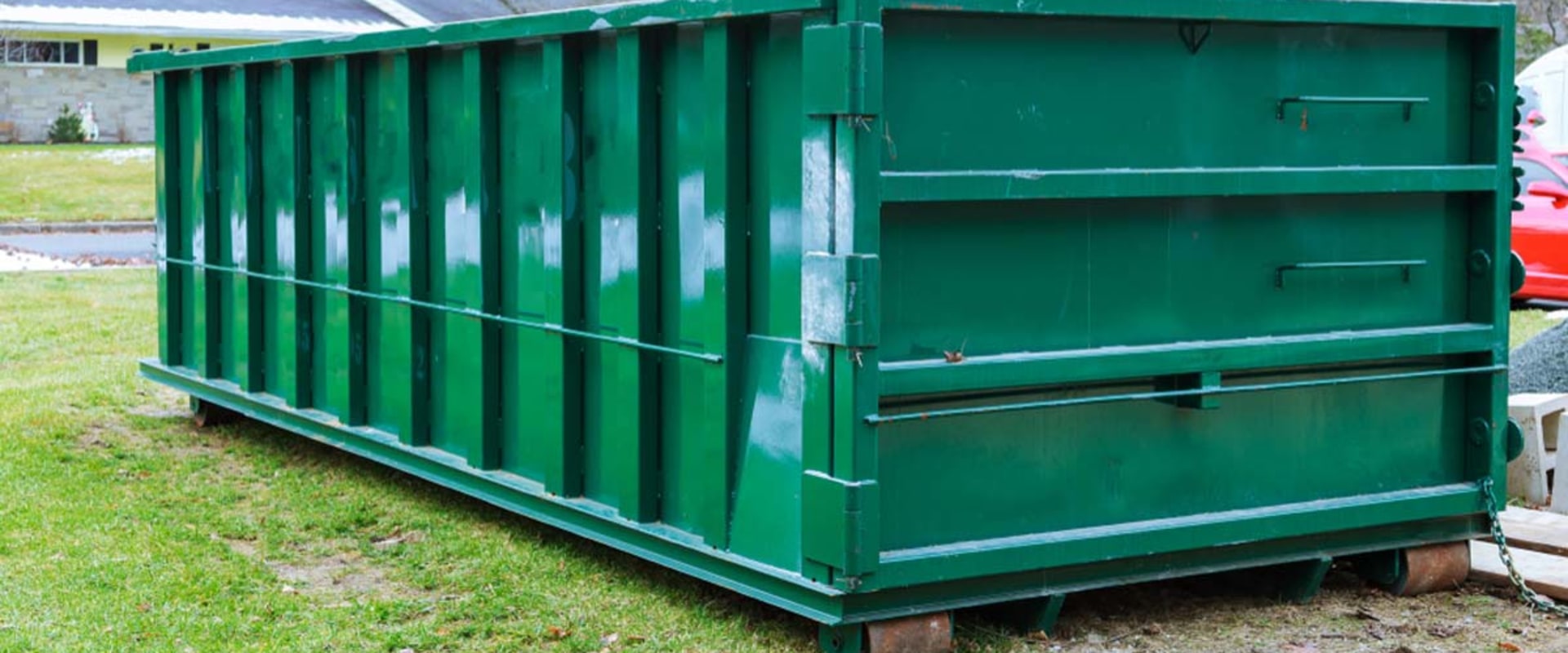
Roll-off dumpsters are large, open-top containers that are typically used for temporary projects. They are delivered to your site on a truck and can be easily rolled off onto the ground.These dumpsters come in various sizes, ranging from 10 to 40 cubic yards, making them suitable for a wide range of applications, including:
- Construction Projects: Ideal for disposing of construction debris such as wood, metal, and concrete.
- Home Renovations: Perfect for collecting waste from remodeling projects, including old furniture and fixtures.
- Large Cleanouts: Useful for estate cleanouts or garage cleanouts where significant amounts of junk need to be removed.
Front-Load Containers
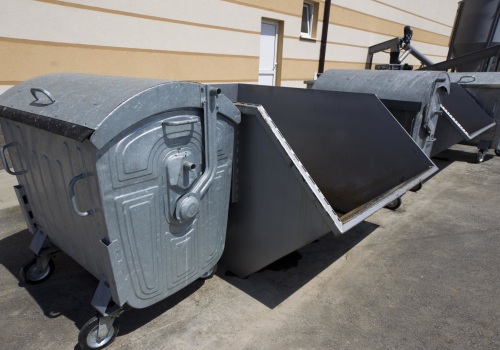
Front-load containers are smaller than roll-off dumpsters and are designed primarily for ongoing waste management needs. These containers are typically used by businesses and commercial properties. They come in sizes ranging from 2 to 8 cubic yards and have a lid that secures the contents. Some key features include:- Space Efficiency: Their compact size makes them suitable for locations with limited space.
- Regular Pickup: Ideal for businesses that generate consistent waste, as they can be emptied on a regular schedule.
- Secure Waste Management: The lids help prevent unauthorized access and keep pests away from the waste.
Roll-off dumpsters are best suited for large, temporary projects with significant waste generation, while front-load containers are ideal for businesses needing regular waste management solutions. Understanding these differences will help you make an informed decision when renting a dumpster.
How to Estimate Your Waste Volume
Estimating the volume of waste your project will generate is a crucial step in selecting the right dumpster size. Accurate calculations can save you time and money, ensuring that you don’t end up with a dumpster that’s too small or unnecessarily large. Here are some effective methods and tips to help you calculate your waste needs.1.Assess Your Project Type
- Residential Renovations: If you’re remodeling a kitchen or bathroom, consider the materials you’ll be disposing of, such as cabinets, tiles, and appliances.
- Construction Projects: For new builds or major renovations, think about the volume of concrete, wood, and other construction debris.
- Landscaping Jobs: Yard waste can accumulate quickly.
Estimate the amount of soil, branches, and other organic materials you’ll need to dispose of.
2.Use Volume Estimation Techniques
One effective way to estimate waste volume is to visualize it in terms of common measurements:
- Cubic Yards: A standard dumpster size is often measured in cubic yards. One cubic yard is roughly equivalent to 5-6 13-gallon trash bags. This can help you gauge how many bags your project might generate.
- Weight Considerations: Different materials have different weights. For example, concrete is much heavier than cardboard.
Knowing the weight limits of your dumpster can also guide your size choice.
3.Create a Waste Inventory
Before starting your project, make a list of all the items you plan to dispose of. Categorize them by type and estimate their volume:
- Furniture: Measure large items like couches or tables to determine their bulk.
- Construction Debris: Calculate the total volume of materials like drywall or lumber.
- Yard Waste: Estimate the amount of branches and leaves based on your yard size.
4.Consult with Professionals
If you're still unsure about your waste volume estimation, don’t hesitate to reach out to dumpster rental companies. They can provide insights based on similar projects and help you choose the most appropriate dumpster size for your needs.By following these methods and tips for estimating your waste volume, you can confidently select a dumpster that meets your project requirements without overspending or underestimating your disposal needs.
Consulting with Professionals for Accurate Sizing
When it comes to dumpster rental, selecting the right size is crucial for the success of your project. While you may have a general idea of how much waste you need to dispose of, consulting with professionals in the waste management industry can provide you with invaluable insights and recommendations tailored to your specific needs.Understanding Your Project's Unique Requirements
Every project is different, whether it's a home renovation, a large construction job, or a simple cleanout.
Waste management experts can help you assess:
- The Type of Waste: Different materials have varying densities and weights. For instance, concrete and dirt are much heavier than household items like furniture or cardboard. Professionals can guide you on how these factors influence the size of the dumpster you need.
- The Volume of Waste: Estimating the amount of waste can be tricky. Experts can help you calculate the volume based on your project's scope, ensuring you don’t underestimate or overestimate your needs.
- Space Considerations: The area where the dumpster will be placed is also a critical factor.
Professionals can evaluate your site and recommend sizes that fit within your available space while still being accessible for pickup.
Expert Recommendations for Optimal Sizing
Consulting with dumpster rental experts not only helps in determining the right size but also provides additional benefits:
- Cost Efficiency: Choosing the correct dumpster size can save you money. A dumpster that is too small may require multiple trips, increasing costs, while one that is too large may lead to unnecessary expenses.
- Time Savings: Professionals can streamline the process by providing timely delivery and pickup, allowing you to focus on your project without worrying about waste management logistics.
- Compliance with Local Regulations: Waste disposal regulations vary by location. Experts are familiar with local laws and can ensure that your waste is disposed of properly, avoiding potential fines or legal issues.
Frequently Asked Questions About Dumpster Rental Sizes
When it comes to dumpster rental, many customers have questions regarding the sizes available and how to choose the right one for their specific needs.Below are some of the most frequently asked questions that can help clarify any uncertainties you may have.
What size dumpster do I need for my project?
The size of the dumpster you need largely depends on the type and volume of waste you plan to dispose of. For small home cleanouts or minor renovations, a 10-yard dumpster is often sufficient. However, for larger projects like major renovations or construction sites, you might require a 20-yard or even a 30-yard dumpster. Always consider consulting with a rental service to assess your specific requirements.How much can each dumpster size hold?
Understanding the capacity of different dumpster sizes can help you make an informed decision:- 10-yard dumpster: Holds about 10 cubic yards of waste, equivalent to approximately 50-60 garbage bags.
- 20-yard dumpster: Can accommodate around 20 cubic yards, which is roughly 100-120 garbage bags.
- 30-yard dumpster: Ideal for large projects, holding about 30 cubic yards or 150-180 garbage bags.
- 40-yard dumpster: The largest option, suitable for extensive renovations or commercial projects, holding up to 40 cubic yards or 200-240 garbage bags.
Can I mix different types of waste in one dumpster?
While it may be tempting to combine various types of waste in one container, it’s essential to check with your rental company first.Many companies have specific guidelines regarding mixed waste due to recycling regulations and disposal costs. Generally, it’s advisable to separate hazardous materials from regular waste.
What if I underestimate my dumpster size?
If you find that your chosen dumpster is too small for your project, most rental companies offer options for exchanging it for a larger size. However, this may incur additional fees and delays. To avoid this situation, take time to assess your waste volume before making a decision.By addressing these common inquiries about dumpster rental sizes, we hope to provide clarity and assist you in making an informed choice that suits your project needs.Conclusion: Making an Informed Decision on Dumpster Size
Choosing the right dumpster size is a critical step in ensuring that your waste management process is efficient and effective.Throughout this article, we have explored various factors that influence your decision, including the type of project you are undertaking, the volume of waste you expect to generate, and the specific materials you will be disposing of.One of the key takeaways is that understanding the capacity of different dumpster sizes can significantly impact your project’s timeline and budget. For instance, opting for a dumpster that is too small may lead to multiple trips to the landfill, increasing both time and costs. Conversely, selecting a dumpster that is excessively large can result in unnecessary expenses and wasted space.Additionally, we discussed how different types of dumpsters serve various needs. For example, front-load containers are ideal for ongoing waste management in commercial settings, while roll-off dumpsters are better suited for temporary projects like home renovations or construction sites.
Knowing which type aligns with your project requirements can streamline the waste disposal process.Moreover, it’s essential to consider the logistics of dumpster placement. Ensure that there is adequate space for delivery and pickup, as well as compliance with local regulations regarding placement on public property or driveways.In conclusion, making an informed decision about dumpster size involves careful consideration of your specific needs. By evaluating the volume and type of waste you will be generating, consulting with professionals in the dumpster rental industry, and understanding the nuances of different container types, you can select a dumpster that not only meets your requirements but also enhances your overall project efficiency.Ultimately, taking the time to choose wisely will lead to a smoother waste management experience, allowing you to focus on what truly matters—completing your project successfully.