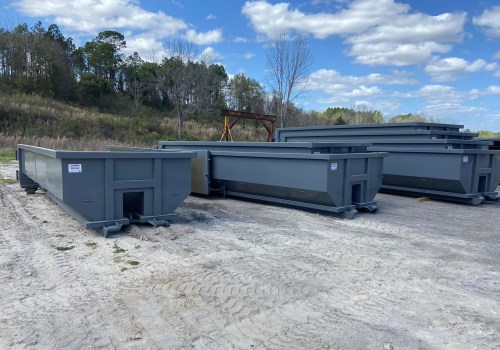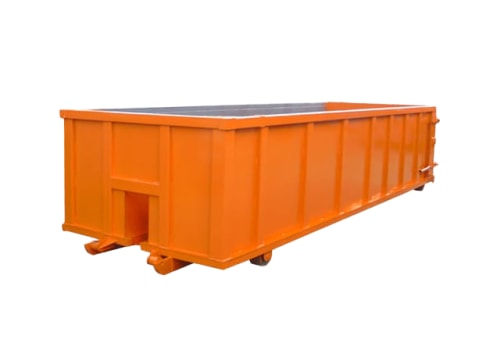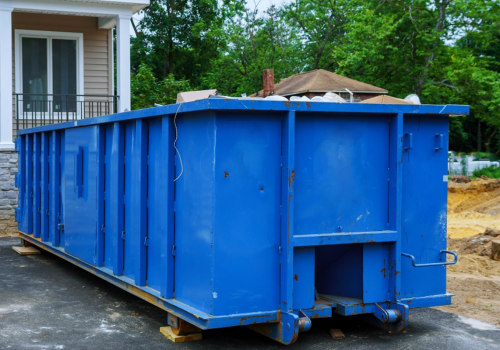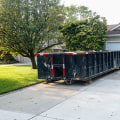
When embarking on a construction or renovation project, one of the most crucial aspects to consider is waste management. This is where dumpster rental comes into play. A dumpster rental provides a convenient solution for disposing of large volumes of waste, particularly when dealing with heavy materials like concrete. Understanding what a dumpster is and the various types available can significantly enhance your project’s efficiency and safety.A dumpster is essentially a large container designed to hold waste materials for disposal.
They come in various sizes, typically ranging from 10 to 40 yards, allowing you to choose one that best fits your project’s needs. The size of the dumpster you select will depend on the volume and type of waste you need to dispose of. For instance, a 20-yard dumpster is often ideal for medium-sized projects, such as home renovations or small construction jobs, especially when dealing with heavy materials like concrete.There are several types of dumpsters available for rental, each tailored to specific types of waste. Standard dumpsters are commonly used for general debris, while roll-off dumpsters are designed for easy loading and unloading, making them perfect for construction sites.
Additionally, there are specialized dumpsters for specific materials, such as yard waste , hazardous materials , and concrete. Knowing the right type of dumpster to rent can help you avoid potential issues with weight limits and disposal regulations.In summary, understanding the fundamentals of dumpster rentals is essential for anyone undertaking a significant project involving waste disposal. By familiarizing yourself with what a dumpster is and the different types available, you can make informed decisions that will streamline your waste management process and ensure compliance with local regulations. This knowledge sets the stage for effectively loading your dumpster, particularly when it comes to heavy materials like concrete.
What is a 20-Yard Dumpster?
A 20-yard dumpster is a popular choice for both residential and commercial projects, particularly when dealing with substantial amounts of waste such as concrete.Understanding the dimensions, capacity, and weight limits of this type of dumpster is essential for effective planning and execution of your disposal needs.
Dimensions
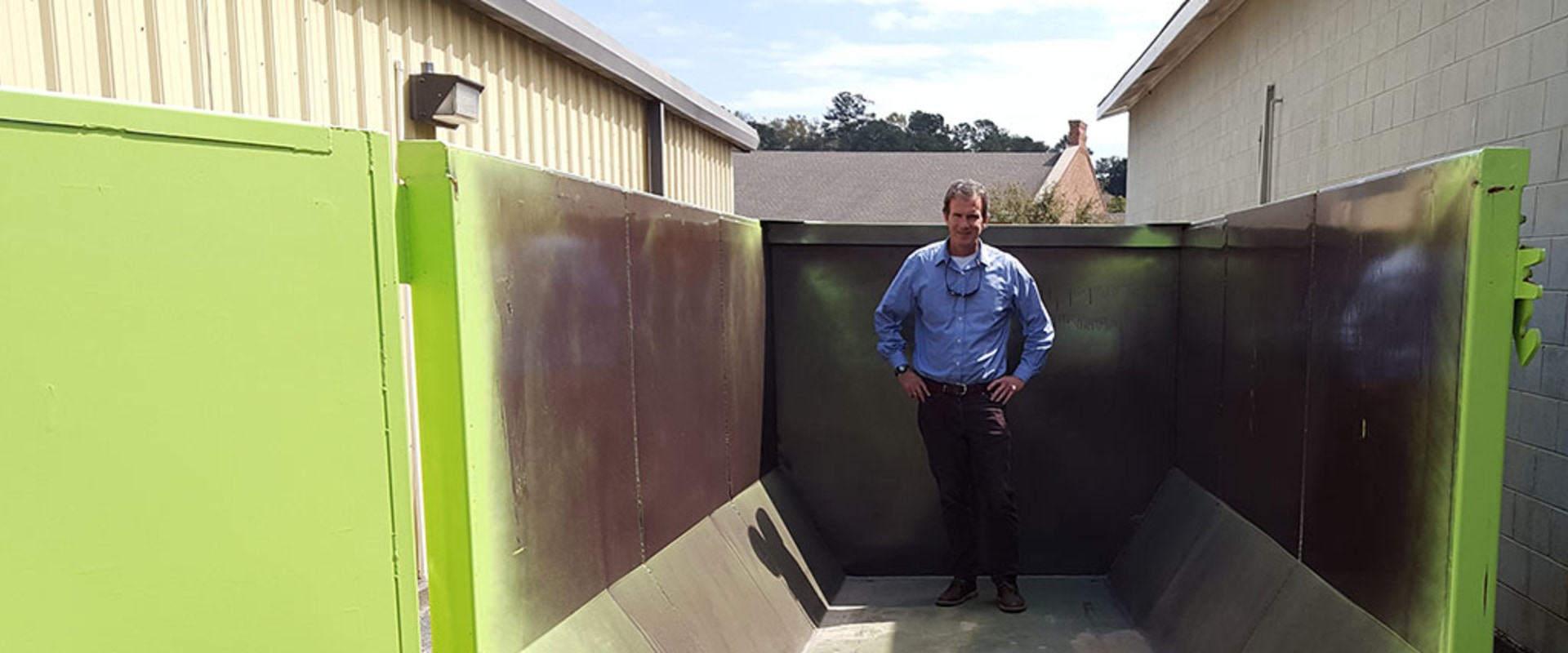
- A standard 20-yard dumpster typically measures approximately 17 feet long, 7.5 feet wide, and 4.5 feet high. These dimensions can vary slightly depending on the manufacturer, but they generally fall within this range.
- The size makes it suitable for various projects, including home renovations, large cleanouts, and construction sites.
Capacity
- The capacity of a 20-yard dumpster is about 20 cubic yards, which translates to approximately 10 pickup truck loads of waste. This makes it an ideal option for disposing of large volumes of concrete, debris, or other heavy materials.
- When loading a 20-yard dumpster with concrete, it’s crucial to remember that the volume is not the only consideration; weight plays a significant role as well.
Weight Limit
- The weight limit for a 20-yard dumpster is typically around 8 tons, or 16,000 pounds. This limit includes all materials loaded into the dumpster, so if you plan to mix concrete with other waste types, be mindful of the total weight.
- Exceeding this weight limit can lead to additional fees from your dumpster rental company and may pose safety risks during transportation.
- It’s advisable to consult with your rental provider to understand specific weight restrictions and ensure compliance with local regulations.
Proper planning will help you avoid unexpected costs and ensure a smooth disposal process for your concrete and other materials.
Calculating Concrete Volume and Weight
Understanding how to calculate the volume and weight of concrete is crucial when loading a 20-yard dumpster. This knowledge not only helps you maximize the use of your dumpster rental but also ensures that you stay within the weight limits set by the rental company.Calculating Concrete Volume
The volume of concrete is typically measured in cubic yards. To determine how much concrete you have, you can use the following formula:
- Volume (cubic yards) = Length (feet) × Width (feet) × Height (feet) ÷ 27
- Volume = 10 × 4 × 0.5 ÷ 27 = 0.074 cubic yards
Concrete Weight per Cubic Yard
Next, it’s essential to understand the weight of concrete. On average, a cubic yard of concrete weighs about 2,400 pounds.
Therefore, to find out how much your concrete weighs, you can use this formula:
- Weight (pounds) = Volume (cubic yards) × 2,400
- Weight = 0.074 × 2,400 = 177.6 pounds
How Much Concrete Fits in a 20-Yard Dumpster?
A standard 20-yard dumpster can hold up to 8 tons or 16,000 pounds of concrete. To ensure you do not exceed this limit, it’s important to calculate the total weight of all the concrete you plan to dispose of before loading the dumpster.If you are unsure about how much concrete you have or if you're mixing different types of waste materials, consider renting a larger dumpster or consulting with your dumpster rental company for guidance. This proactive approach will help avoid any unexpected fees or complications during your project.
Best Practices for Loading Concrete into a Dumpster
Loading a dumpster with concrete requires careful planning and execution to ensure safety, efficiency, and compliance with weight limits. Here are some best practices to follow when loading a 20-yard dumpster with concrete:1.Prepare the Site
Before you begin loading the dumpster, ensure that the area around it is clear and accessible.This will not only make the loading process easier but also safer. Remove any obstacles that could hinder movement or create hazards.
2.Use Proper Equipment
When handling heavy concrete materials, using the right tools is essential. Consider using:- Wheelbarrows: Ideal for transporting smaller loads of concrete to the dumpster.
- Shovels: Useful for scooping and placing concrete into the dumpster.
- Gloves: Protect your hands from rough surfaces and sharp edges.
- Safety goggles: Shield your eyes from dust and debris.
3.Load in Layers
To maximize space and ensure even weight distribution, load the dumpster in layers. Start by placing larger pieces of concrete at the bottom, followed by smaller chunks on top.This method helps prevent shifting during transport and allows for better use of space.
4.Avoid Overloading
While it may be tempting to fill the dumpster to its maximum capacity, be cautious not to exceed the weight limit of 8 tons (16,000 pounds). Overloading can lead to additional fees and safety risks during transport. Always check with your dumpster rental company for specific weight guidelines.5.Distribute Weight Evenly
As you load the dumpster, pay attention to how you distribute the weight. Uneven loading can cause the dumpster to become unbalanced, making it difficult for the truck to lift and transport safely.Aim to spread out heavier pieces across the entire surface of the dumpster.
6.Secure Loose Materials
If you have smaller pieces of concrete or debris, consider using tarps or nets to secure them in place once loaded. This will prevent them from shifting or falling out during transport, which can pose a hazard on the road.7.Clean Up Spills Immediately
If any concrete spills occur while loading, clean them up right away to maintain a safe working environment. Wet concrete can be slippery and dangerous, so addressing spills promptly is crucial.By following these best practices for loading concrete into a dumpster, you can ensure a smooth disposal process while prioritizing safety and efficiency. Always consult with your dumpster rental provider for additional tips tailored to your specific project needs.Common Mistakes to Avoid When Loading Concrete
When it comes to loading a 20-yard dumpster with concrete, many individuals make common mistakes that can lead to unnecessary complications, additional fees, and even safety hazards.By being aware of these pitfalls, you can ensure a smoother disposal process and avoid costly errors.
- Overloading the Dumpster: One of the most frequent mistakes is exceeding the weight limit of the dumpster. As mentioned earlier, a 20-yard dumpster can safely hold about 8 tons of concrete. Loading beyond this limit not only incurs extra charges but can also pose serious safety risks during transport.
- Poor Weight Distribution: Another common error is failing to distribute the weight evenly within the dumpster. Placing all heavy materials on one side can create an imbalance, making it difficult for the truck to lift and transport the dumpster safely.
Always aim for a balanced load to prevent tipping or damage.
- Mixing Incompatible Materials: While it’s permissible to mix concrete with other heavy materials, doing so without consideration can lead to issues. For instance, mixing concrete with lighter materials may cause the heavier items to settle at the bottom, leading to an uneven load. Always check with your dumpster rental company for guidelines on acceptable material combinations.
- Ignoring Local Regulations: Different municipalities have specific regulations regarding waste disposal. Failing to adhere to these rules can result in fines or penalties.
Always check local guidelines before loading your dumpster to ensure compliance.
- Improper Placement: The location of your dumpster is crucial. Placing it on an unstable surface or in a location prone to flooding can lead to complications during loading and removal. Ensure that the dumpster is on a flat, stable surface to facilitate safe loading and transport.
- Neglecting Safety Gear: When loading heavy materials like concrete, safety should be a priority. Many people overlook the importance of wearing appropriate safety gear such as gloves, steel-toed boots, and hard hats.
Protecting yourself while handling heavy materials is essential to avoid injuries.
Weight Distribution and Balance in Dumpsters
When loading a 20-yard dumpster with heavy materials like concrete, weight distribution is a critical factor that can significantly impact both safety and efficiency. Properly balancing the load not only ensures that the dumpster can be safely transported but also minimizes the risk of accidents during the loading and unloading process.Improper weight distribution can lead to several issues:- Instability: If heavy materials are concentrated on one side of the dumpster, it can create an unbalanced load. This imbalance may cause the dumpster to tip over during transport, posing a serious safety hazard to both the driver and those nearby.
- Difficulty in Pickup: A dumpster that is loaded unevenly may be challenging for the truck to lift.
This can lead to delays in pickup and additional fees if the rental company has to send out specialized equipment to handle the situation.
- Damage to Equipment: Overloading one side of the dumpster can put excessive strain on the lifting mechanism of the truck, potentially leading to mechanical failures or damage.
- Distribute Weight Evenly: When loading concrete, start by placing heavier pieces at the bottom and towards the center of the dumpster. This helps maintain a low center of gravity and promotes stability.
- Avoid Overloading One Side: As you load, periodically step back and assess how the weight is distributed. Make adjustments as necessary to keep the load balanced.
- Use Smaller Loads: If possible, break down larger pieces of concrete into smaller chunks. This not only makes it easier to distribute weight but also allows for more efficient packing within the dumpster.
- Consult with Professionals: If you're unsure about how to load your dumpster safely, don’t hesitate to reach out to your dumpster rental company for guidance.
They can provide valuable insights based on their experience with similar projects.
Mixing Concrete with Other Materials: What You Need to Know
When it comes to dumpster rental, many people wonder if they can mix concrete with other types of waste. The short answer is yes, but there are important guidelines to follow to ensure safety and compliance with weight limits.Mixing concrete with other materials can be a practical solution, especially for those undertaking renovation or construction projects. However, it’s crucial to understand how to do this correctly to avoid potential issues.Understanding Weight Limits
As previously mentioned, a 20-yard dumpster can typically hold up to 8 tons of concrete.If you plan to mix concrete with other materials, you must account for the total weight of all items being disposed of. Exceeding the weight limit can lead to additional fees from your dumpster rental company and may pose safety risks during transport.
Best Practices for Mixing Materials
- Prioritize Concrete: If you are loading a significant amount of concrete, fill the dumpster primarily with concrete first. This ensures that the heaviest material is at the bottom, providing a stable base.
- Layering Technique: When adding other materials, consider layering them on top of the concrete. This method helps maintain balance and prevents the dumpster from becoming top-heavy.
- Weight Distribution: Distribute the weight evenly across the dumpster.
Avoid placing all heavy materials on one side, as this can lead to an unbalanced load that is difficult to transport safely.
- Avoid Hazardous Materials: Never mix hazardous waste with concrete or any other materials in your dumpster. This includes items like chemicals, batteries, or electronic waste, which require special disposal methods.
Consult Your Rental Company
Before loading mixed materials into your dumpster, it’s wise to consult with your dumpster rental provider. They can offer specific guidelines based on their policies and local regulations. Additionally, they may provide recommendations on how best to load your dumpster for optimal safety and efficiency.In summary, while mixing concrete with other materials in a dumpster is permissible, it requires careful planning and execution.By adhering to weight limits and following best practices for loading, you can ensure a smooth disposal process while minimizing risks associated with overloading or improper material mixing.
Choosing the Right Dumpster Rental Company
When it comes to dumpster rental, selecting the right company can significantly impact your project’s success. With numerous options available, it’s essential to choose a reputable service that meets your specific needs. Here are some key factors to consider when evaluating potential dumpster rental companies:- Customer Service: A company’s customer service can make or break your experience. Look for a provider that is responsive, knowledgeable, and willing to answer your questions.
A good dumpster rental company should offer clear communication regarding their services, pricing, and policies.
- Pricing Transparency: Hidden fees can quickly inflate your costs. Ensure that the company provides a detailed breakdown of their pricing structure, including any additional charges for weight limits, overages, or extended rental periods. A reputable company will be upfront about all costs associated with the rental.
- Local Regulations: Different areas have varying regulations regarding dumpster rentals. Choose a company that is familiar with local laws and permits required for placing a dumpster on your property.
This knowledge can save you from potential fines or complications during your project.
- Variety of Sizes: Depending on the scope of your project, you may need different dumpster sizes. A reliable rental service should offer a range of options, from small containers for home renovations to larger dumpsters for commercial construction projects.
- Reputation and Reviews: Research the company’s reputation by reading customer reviews and testimonials. Websites like Yelp or Google Reviews can provide insights into other customers’ experiences, helping you gauge the reliability and quality of service.
- Delivery and Pickup Options: Consider how flexible the company is with delivery and pickup times. A good dumpster rental service should accommodate your schedule to ensure that you have the container when you need it and can remove it promptly once you’re finished.
This careful selection process not only ensures that you receive quality service but also contributes to a smoother waste disposal experience throughout your project.
FAQs About Loading Concrete into Dumpsters
When it comes to loading concrete into dumpsters, many people have questions about the best practices and guidelines to follow. Here are some frequently asked questions that can help clarify the process and ensure a smooth experience.1.Can I load other materials with concrete in the dumpster?
Yes, you can mix concrete with other materials, but it’s crucial to consider the weight limits. If you plan to add other heavy items like bricks or asphalt, make sure the total weight does not exceed the dumpster's capacity of 8 tons (16,000 pounds). Additionally, distribute the weight evenly to avoid tipping.2.What should I do if I exceed the weight limit?
If you find that your load exceeds the weight limit, it’s advisable to remove some of the concrete or other materials before the dumpster is picked up.Exceeding the limit can lead to additional fees from your rental company and may pose safety risks during transport.
3.How should I prepare concrete for disposal?
Before loading concrete into the dumpster, allow it to cure properly if it’s freshly poured. If you’re disposing of broken concrete, try to break it into smaller pieces to maximize space and facilitate easier loading. This will also help in achieving a more balanced load.4.Is there a specific way to load concrete into the dumpster?
When loading concrete, start by placing heavier pieces at the bottom and gradually add lighter materials on top. This method helps maintain balance and prevents shifting during transport.Always ensure that the load is below the rim of the dumpster to avoid spillage.
5.Can I use a 20-yard dumpster for small concrete projects?
A 20-yard dumpster is suitable for medium to large projects, but if you only have a small amount of concrete, consider renting a smaller dumpster. This can save you money and reduce waste space.6.What happens if my dumpster is overloaded?
An overloaded dumpster can lead to safety hazards during pickup and transport. Rental companies may refuse to haul away an overloaded dumpster until it is brought within legal weight limits. Always check with your rental provider for specific guidelines regarding loading.By understanding these common questions and their answers, you can ensure that your experience with dumpster rental for concrete disposal is efficient and hassle-free.Conclusion: Key Takeaways for Properly Loading Your Dumpster with Concrete
In summary, loading a 20-yard dumpster with concrete requires careful planning and adherence to specific guidelines to ensure a safe and efficient disposal process.Here are the key takeaways to keep in mind:
- Understand Weight Limits: A 20-yard dumpster can safely hold up to 8 tons (16,000 pounds) of concrete. Exceeding this limit can lead to additional fees and safety hazards.
- Know Your Materials: While you can mix concrete with other heavy materials, be cautious about weight distribution. Uneven loading can cause the dumpster to become unbalanced, posing risks during transport.
- Choose the Right Location: Place your dumpster on a flat, stable surface to prevent tipping or sinking. This is crucial for both safety and ease of removal.
- Load Strategically: Start by placing larger pieces of concrete at the bottom and fill in with smaller debris.
This method maximizes space and ensures stability.
- Consult Your Rental Company: Always communicate with your dumpster rental provider for specific guidelines tailored to your project. They can offer valuable insights based on their experience.
With the right approach, you can ensure that your waste management efforts are effective and compliant with local regulations.