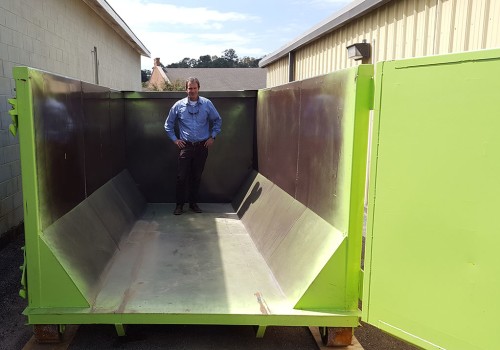
When it comes to managing waste, dumpster rental services provide an efficient solution for both residential and commercial needs. Whether you are undertaking a home renovation, clearing out an attic, or managing debris from a construction site, understanding the various types and sizes of dumpsters available is crucial for effective waste disposal. Among the many options, the 10 yard dumpster stands out as a versatile choice for smaller projects. For those looking to optimize their space during renovations, consulting the Ultimate Guide to Fitouts in Bronx NY can offer valuable insights.A stands out as a versatile choice for smaller projects. For those looking to optimize their space during renovations, consulting the Ultimate Guide to Fitouts in Bronx NY can offer valuable insights.A 10 yard dumpster typically measures around 12 feet long, 8 feet wide, and 4 feet high, making it ideal for disposing of bulky items like furniture or appliances without taking up too much space.
This size can hold approximately 10 cubic yards of material, which is roughly equivalent to three pickup truck loads. It is particularly well-suited for tasks such as garage cleanouts, small landscaping projects, or minor renovations where the volume of waste is manageable but still significant.In addition to the 10 yard option, dumpster rentals come in various sizes to accommodate different project scales. From compact 2 yard containers for small cleanups to larger 40 yard dumpsters designed for extensive construction jobs, understanding the right size for your needs can save you time and money. Each size has its own weight limit and capacity considerations, which are essential to keep in mind when planning your waste disposal strategy.Choosing the right dumpster not only facilitates a smoother cleanup process but also ensures compliance with local regulations regarding waste disposal.
By familiarizing yourself with the different types of dumpsters available and their respective capacities, you can make informed decisions that enhance efficiency and minimize costs during your project.
What is a 10 Yard Dumpster?
A 10 yard dumpster is a versatile waste disposal solution that is ideal for various small to medium-sized projects. Understanding its dimensions and capacity can help you determine if it meets your needs, especially when considering the disposal of larger items like a couch.The typical dimensions of a 10 yard dumpster are approximately 12 feet long , 8 feet wide , and 4 feet high. This size provides a total capacity of about 10 cubic yards , which is roughly equivalent to three pickup truck loads. Such dimensions make it suitable for tasks like home renovations, garage cleanouts, or landscaping projects.When it comes to capacity, a 10 yard dumpster can hold a variety of materials, but it’s essential to consider the type of debris you plan to dispose of.For lighter materials such as household junk or yard waste, the dumpster can accommodate up to 2 tons. However, if you are disposing of heavier items like concrete or dirt, the weight limit may be lower due to the structural integrity of the dumpster.So, what exactly fits in a 10 yard dumpster? Here are some common items:
- Furniture (like sofas and chairs)
- Appliances (refrigerators, washers)
- Renovation debris (drywall, flooring)
- Yard waste (branches, leaves)
- General household junk (boxes, old toys)
By understanding its dimensions and capacity, you can make informed decisions about your waste management options.
Measuring Your Couch: The First Step
Before attempting to fit your couch into a 10 yard dumpster, the first and most crucial step is to accurately measure its dimensions. This process not only helps you determine if your couch will fit but also allows you to plan how to position it within the dumpster for optimal space utilization.Step 1: Gather Your Tools
- A measuring tape or a yardstick
- A notepad and pen for recording measurements
- A helper, if possible, to assist with measuring and moving the couch
Step 2: Measure the Couch
Start by measuring the length, width, and height of your couch:
- Length: Measure from one end of the couch to the other. This is typically the longest dimension.
- Width: Measure from the front of the couch to the back. This dimension is important for understanding how much space it will occupy in the dumpster.
- Height: Measure from the ground to the highest point of the couch.
This will help you determine how much vertical space you can utilize in the dumpster.
Step 3: Compare Measurements with Dumpster Dimensions
A standard 10 yard dumpster measures approximately 12 feet long, 8 feet wide, and 4 feet tall. Once you have your couch measurements, compare them against these dimensions:
- If your couch's length exceeds 12 feet, it will not fit in the dumpster.
- If its width is greater than 8 feet, you may need to consider disassembling it or renting a larger dumpster.
- The height of your couch should ideally be less than 4 feet to ensure it can be loaded safely.
Step 4: Consider Couch Configuration
Couches come in various configurations—sectionals, loveseats, and sofas. If you have a sectional couch, measure each section individually. Sometimes, separating sections can make fitting them into a dumpster easier.
Additionally, consider any removable parts like cushions or legs that can be detached to reduce size.By taking these careful measurements and comparing them with the dimensions of a 10 yard dumpster, you can make an informed decision about whether your couch will fit or if alternative disposal methods are necessary.
Disassembling Your Couch for Better Fit
When it comes to disposing of a couch, disassembling it can significantly enhance your ability to fit it into a 10 yard dumpster. Not only does this approach maximize space, but it also makes the disposal process more manageable and efficient. Here are some practical tips on how to effectively disassemble your couch.Identify Removable Parts
Before you start taking apart your couch, identify which parts can be removed. Common components that can often be detached include:- Cushions: Most couches have removable cushions that can be taken off easily.
This not only reduces the overall size but also allows for better packing in the dumpster.
- Legs: Many couches come with legs that can be unscrewed or removed. By taking off the legs, you can lower the height of the couch, making it easier to fit.
- Backrest: If your couch has a separate backrest or if it is modular, consider removing this part as well. This can create a more compact shape for disposal.
- Frame Components: In some cases, the frame of the couch may have sections that can be disassembled. Check for screws or bolts that can be removed to break down the frame further.
Tools You Might Need
To disassemble your couch effectively, you may need a few basic tools:- Screwdriver: A standard or Phillips screwdriver will help you remove screws from legs and other components.
- Pliers: These can be useful for gripping and twisting stubborn screws or bolts.
- Utility Knife: If your couch has fabric covering staples or tacks, a utility knife can help you cut through these materials safely.
Maximizing Space in the Dumpster
Once you have disassembled your couch, you will find that the individual parts are much easier to manage.Here are some tips on how to load these parts into your dumpster:
- Layering: Place larger pieces at the bottom and layer smaller components on top. This will help utilize vertical space effectively.
- Fill Gaps: Use smaller items like cushions or fabric scraps to fill any gaps between larger pieces. This not only secures everything in place but also maximizes every inch of available space.
- Avoid Overloading: While it’s tempting to fit as much as possible into the dumpster, ensure you do not exceed weight limits or fill it beyond capacity to avoid additional fees.
Utilizing Vertical Space in the Dumpster
When it comes to loading a couch into a dumpster, one of the most effective strategies is to utilize the vertical space available.Many people overlook this aspect, focusing solely on the horizontal dimensions. However, maximizing vertical space can significantly enhance your ability to fit larger items like couches into a 10 yard dumpster.
Positioning Techniques
- Stand It Upright: If your couch is sturdy enough, consider standing it upright. This position not only saves horizontal space but also allows you to stack other items around it. Ensure that the couch is stable and won’t tip over during transport.
- Lay It on Its Side: Another effective method is to lay the couch on its side.
This can help you fit it snugly against the walls of the dumpster, allowing for better use of the remaining space. Just be cautious about how you load it to avoid damaging the upholstery.
- Angle It Strategically: Sometimes, angling the couch can create more room. Try different angles to see which position allows for the best fit while still leaving space for other items.
Securing Your Couch
Once you have positioned your couch in the dumpster, securing it is crucial to prevent any accidents during transport. Here are some tips:
- Use Straps or Ropes: If possible, use straps or ropes to secure the couch in place.
This will help prevent it from shifting during transit, which could lead to damage or even injury if it were to fall out.
- Fill Gaps with Smaller Items: After placing your couch in the dumpster, fill any gaps with smaller items such as cushions, bags of trash, or other debris. This not only secures the couch but also maximizes every inch of available space.
- Check Weight Distribution: Ensure that the weight is evenly distributed within the dumpster. An unbalanced load can make transportation difficult and may even lead to fines if the dumpster exceeds weight limits.
Filling Gaps: Making Every Inch Count
Once you have successfully loaded your couch into the 10 yard dumpster, the next crucial step is to ensure that every available inch of space is utilized effectively.This not only maximizes the capacity of the dumpster but also helps in preventing any potential shifting of items during transport. Here are some practical tips for filling gaps and making the most out of your dumpster rental:
- Assess the Remaining Space: After placing your couch, take a moment to evaluate the gaps around it. Look for any voids that could accommodate smaller items. This assessment will guide you on what additional materials can be added.
- Use Soft Items to Fill Gaps: Items such as cushions, pillows, or blankets can be excellent fillers.
They can easily conform to the shape of the gaps and help stabilize larger items like your couch. Not only does this maximize space, but it also prevents movement during transit.
- Incorporate Smaller Furniture: If you have other small furniture pieces, such as side tables or chairs, consider placing them in the gaps around the couch. Disassembling these items, if possible, can further reduce their size and make them easier to fit.
- Utilize Boxes and Bags: If you have boxes or bags filled with miscellaneous items, use them to fill any remaining spaces. Stack them strategically to create a more compact load.
This approach not only optimizes space but also keeps everything organized.
- Consider Vertical Placement: If there are vertical gaps, think about standing smaller items upright. For instance, placing a tall lamp or a rolled-up rug can help utilize vertical space effectively.
- Avoid Overloading: While it’s important to fill gaps, be cautious not to exceed the weight limit of the dumpster. Overloading can lead to additional fees or even safety hazards during transport.
When to Consider a Larger Dumpster Size
While a 10 yard dumpster can accommodate a variety of small to medium-sized projects, there are specific scenarios where opting for a larger dumpster becomes not just practical, but essential.Understanding these situations can save you time, effort, and potentially additional costs associated with overloading or needing multiple trips.
When You Have Bulky Items
If your project involves disposing of large furniture pieces, such as sectional sofas, mattresses, or oversized appliances, a larger dumpster is often necessary. These items can take up significant space and may not fit comfortably in a 10 yard container. For instance, a 20 yard dumpster typically measures around 22 feet long and can handle larger loads without the need for disassembly.Multiple Projects or Extensive Cleanouts
When tackling extensive cleanouts—like renovating an entire home or clearing out a garage filled with years of accumulated items—a larger dumpster can be invaluable. A 30 or 40 yard dumpster allows you to dispose of more waste in one go, reducing the hassle of multiple rentals.This is particularly beneficial for contractors or homeowners who want to streamline their waste disposal process.
Weight Considerations
Another critical factor to consider is the weight limit of the dumpster. A 10 yard dumpster typically has a weight limit of around 2 tons, which can be quickly reached if you are disposing of heavy materials like concrete or large appliances. If your project involves heavy debris, renting a larger dumpster not only provides more space but also increases the weight capacity, allowing for safe disposal without incurring overage fees.Comparing Dumpster Sizes
When deciding on the right size dumpster for your needs, it’s essential to compare the options available:- 10 Yard Dumpster: Ideal for small cleanouts and light debris.
- 20 Yard Dumpster: Suitable for medium-sized projects like home renovations or multiple furniture disposals.
- 30 Yard Dumpster: Best for larger renovations or significant cleanouts where bulky items are involved.
- 40 Yard Dumpster: Perfect for commercial projects or large-scale cleanouts that generate substantial waste.
Common Mistakes to Avoid When Fitting Furniture in a Dumpster
When it comes to disposing of furniture in a dumpster, many people make common mistakes that can lead to inefficiencies, additional costs, or even safety hazards.Understanding these pitfalls can help ensure a smoother disposal process. Here are some frequent errors to avoid:
- Underestimating Size: One of the most prevalent mistakes is not accurately assessing the size of the furniture in relation to the dumpster. Before renting a dumpster, measure your furniture and compare it with the dimensions of the dumpster. A 10 yard dumpster may seem spacious, but bulky items like couches can take up significant space.
- Neglecting Disassembly: Many individuals overlook the importance of disassembling their furniture.
Items like sofas often have removable legs or cushions that can be taken off to reduce their overall size. By disassembling your couch, you can create more room in the dumpster and fit additional items.
- Piling Items Incorrectly: How you load your furniture into the dumpster matters. Avoid simply tossing items in haphazardly. Instead, place larger pieces at the bottom and fill gaps with smaller items.
This not only maximizes space but also ensures that heavier items are stable and less likely to shift during transport.
- Ignoring Weight Limits: Each dumpster has a weight limit that varies based on its size and type of debris. When loading your couch, be mindful of this limit. Overloading the dumpster can lead to extra fees or even cause damage to the container.
- Failing to Check Local Regulations: Different municipalities have specific rules regarding what can be disposed of in dumpsters. Some areas may have restrictions on certain materials or require special permits for large items.
Always check local regulations before proceeding with your disposal.
- Not Utilizing Vertical Space: Many people forget that dumpsters have vertical space that can be utilized effectively. If possible, stand your couch on its side or upright to take advantage of this space. Just ensure it is secured properly to prevent accidents.
FAQs About Fitting a Couch in a Dumpster
When it comes to disposing of a couch, many people have questions about the process, especially regarding dumpster rental and how to fit bulky items into a dumpster.Below are some frequently asked questions that can help clarify the process and ensure a smooth experience.
Can I fit any type of couch in a 10 yard dumpster?
While most standard couches can fit in a 10 yard dumpster, it ultimately depends on the dimensions and design of the couch. Sectional sofas or oversized couches may require more space than what a 10 yard dumpster can provide. Always measure your couch before renting a dumpster to avoid any surprises.What should I do if my couch doesn’t fit?
If your couch is too large for a 10 yard dumpster, consider the following options:- Disassemble the Couch: If possible, take apart your couch by removing cushions, legs, or any detachable parts. This can significantly reduce its size.
- Rent a Larger Dumpster: If disassembly isn’t an option or if the couch is still too large, consider renting a larger dumpster.
Options like 20 yard or 30 yard dumpsters are better suited for bulky furniture.
- Contact Your Rental Company: Speak with your dumpster rental provider for advice on the best size for your needs. They can offer insights based on their experience.
Are there any restrictions on what I can throw away in a dumpster?
Yes, there are restrictions on certain items that cannot be disposed of in a dumpster. Common prohibited items include:- Hazardous Materials: Items like paint, chemicals, and batteries.
- Electronics: TVs and computers often require special disposal methods.
- Appliances: Refrigerators and freezers may have specific disposal regulations due to refrigerants.
How do I prepare my couch for disposal?
Preparing your couch for disposal involves several steps:- Clean the Couch: Remove any personal items and clean the surface to prevent contamination.
- Disassemble if Possible: As mentioned earlier, breaking down the couch can make it easier to fit into the dumpster.
- Secure Loose Parts: Ensure that any loose parts are secured to prevent them from becoming hazards during transport.
<strong>Conclusion</strong>
In summary, fitting a couch into a 10 yard dumpster is entirely feasible with the right approach and preparation. Throughout this article, we have explored various strategies to ensure that your couch can be disposed of efficiently while maximizing the available space in the dumpster.Here are the key takeaways to consider:- Measure Your Couch: Always start by measuring your couch to determine if it can fit within the dimensions of a 10 yard dumpster.
Standard couches typically range from 6 to 8 feet in length and 3 to 4 feet in width.
- Disassemble When Possible: If your couch has removable components such as legs or cushions, disassembling it can significantly reduce its size, making it easier to fit into the dumpster.
- Utilize Vertical Space: When loading your couch, consider positioning it on its side or standing it upright. This technique allows you to take advantage of the vertical space within the dumpster.
- Fill Gaps Wisely: After placing your couch inside the dumpster, fill any remaining gaps with smaller items like pillows or bags of trash. This not only secures the couch but also optimizes every inch of space available.
- Consider Size Alternatives: If your couch proves too large for a 10 yard dumpster, don’t hesitate to explore larger dumpster options. Containers with capacities ranging from 20 to 40 cubic yards are better suited for bulky items and can accommodate heavier loads.
By following these guidelines, you can ensure a smooth disposal process while avoiding potential issues such as overloading or damaging the dumpster. Remember, if in doubt about your couch's fit or weight, opting for a larger dumpster is always a wise choice to facilitate safe and efficient waste management.