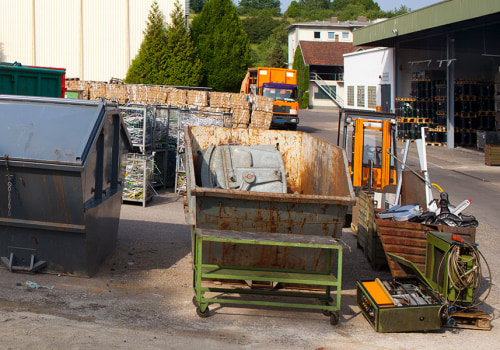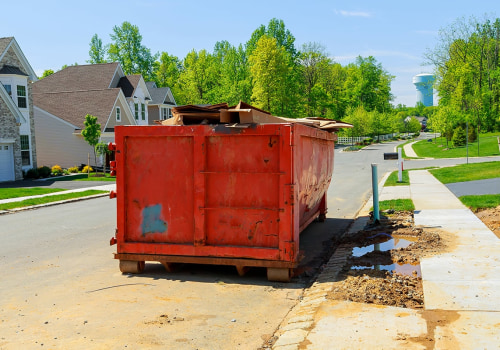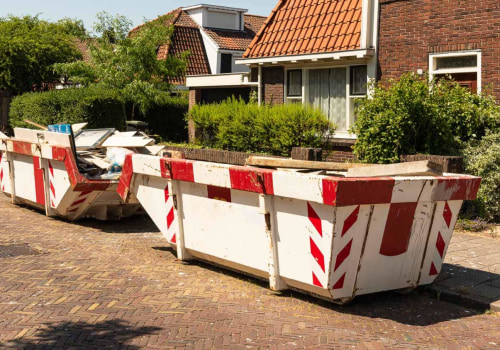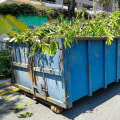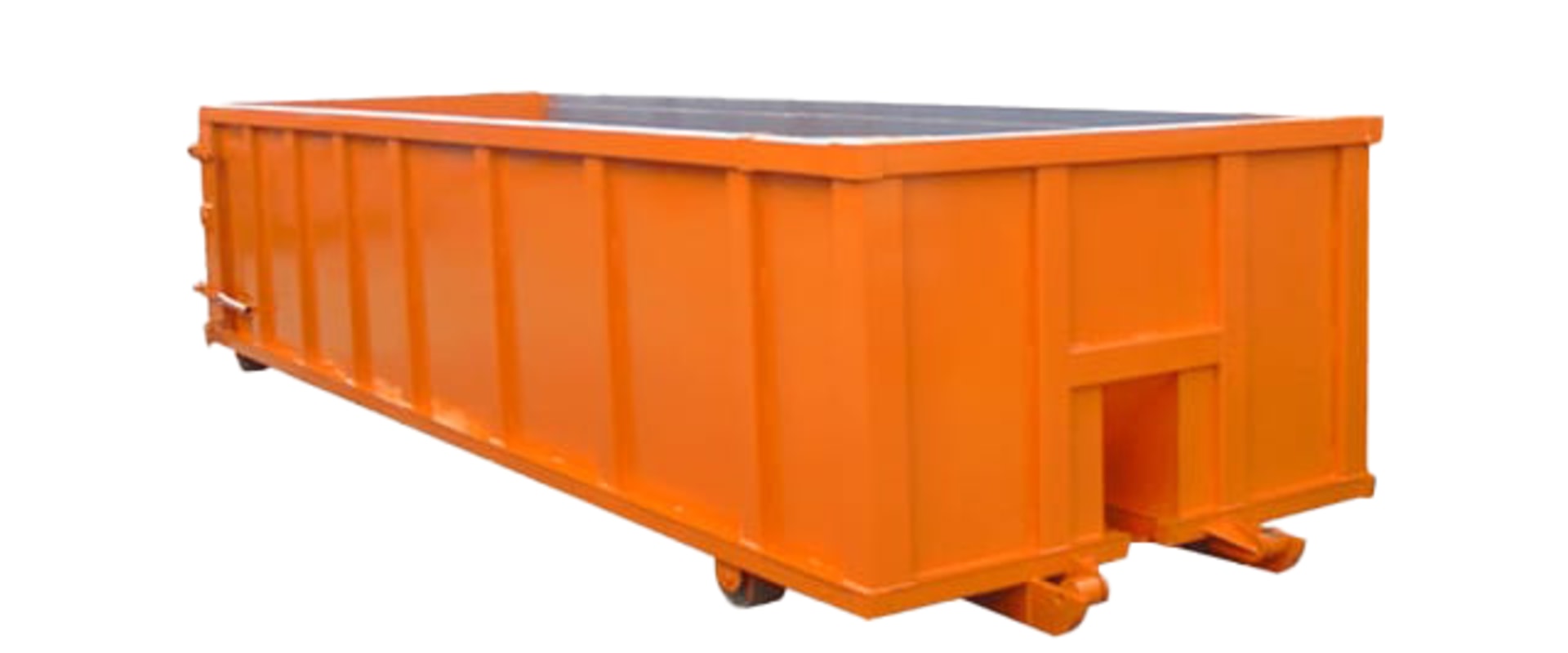
When it comes to managing waste effectively, understanding dumpster rentals is crucial. A dumpster rental is a service that provides a large container for collecting and disposing of waste materials, making it an essential resource for both residential and commercial projects. Whether you are undertaking a home renovation, cleaning out your garage, or managing a construction site, renting a dumpster can simplify the process of waste disposal and ensure that your project runs smoothly.There are various types of dumpsters available to cater to different needs. The most common types include is crucial. A dumpster rental is a service that provides a large container for collecting and disposing of waste materials, making it an essential resource for both residential and commercial projects. Whether you are undertaking a home renovation, cleaning out your garage, or managing a construction site, renting a dumpster can simplify the process of waste disposal and ensure that your project runs smoothly.There are various types of dumpsters available to cater to different needs. The most common types include roll-off dumpsters , which are typically used for larger projects and can be easily transported by truck; front-load dumpsters , which are ideal for businesses with regular waste disposal needs; and compactor dumpsters , designed to compress waste to maximize space.
Each type serves a specific purpose, and understanding these differences can help you choose the right dumpster for your project.Renting a dumpster offers numerous benefits that extend beyond mere convenience. For starters, it promotes safety by keeping debris contained and off your property, reducing the risk of accidents. Additionally, it saves time and effort, allowing you to focus on your project rather than making multiple trips to the landfill. Furthermore, many dumpster rental companies adhere to environmentally friendly practices, ensuring that your waste is disposed of responsibly.
By grasping the fundamentals of dumpster rentals, you can make informed decisions that enhance your waste management strategy.
Why Choose a 20 Yard Dumpster?
When considering a dumpster rental, the 20 yard dumpster stands out as a versatile option that caters to a variety of projects. Its size strikes a balance between capacity and manageability, making it an ideal choice for both residential and commercial needs.Understanding the 20 Yard Dumpster Size
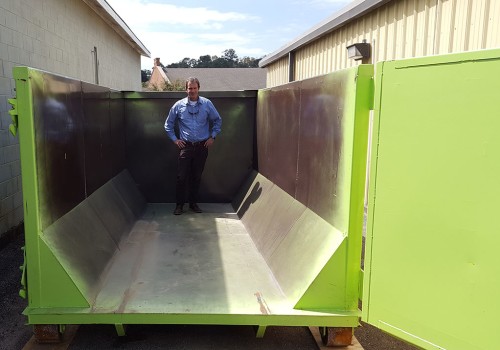
A 20 yard dumpster measures approximately 22 feet long, 8 feet wide, and 4.5 feet high. This size can accommodate up to 20 cubic yards of waste, which is roughly equivalent to:
- 10 pickup truck loads
- Approximately 6 tons of debris
- Home renovations and remodels
- Large cleanouts (e.g., attics, basements, garages)
- Landscaping projects
- Small to medium-sized construction jobs
When to Rent a 20 Yard Dumpster
Determining when to rent a 20 yard dumpster depends on the scope of your project. Here are some scenarios where this size is particularly beneficial:
- Home Renovations: If you’re updating your kitchen or bathroom, a 20 yard dumpster can handle old cabinets, countertops, and other debris.
- Spring Cleaning: For extensive decluttering efforts, this dumpster can accommodate furniture, appliances, and other unwanted items.
- Construction Projects: Whether you’re building a deck or adding a room, this size is perfect for disposing of construction waste like drywall, wood, and metal.
Advantages of Renting a 20 Yard Dumpster
The benefits of choosing a 20 yard dumpster extend beyond its size.
Here are some key advantages:
- Cost-Effective: Compared to larger dumpsters, the 20 yard option often comes at a lower rental price while still providing ample space for waste.
- Easier Access: Its dimensions make it easier to place in driveways or tight spaces without obstructing traffic or access.
- Simplicity in Disposal: Renting a dumpster simplifies the waste disposal process by allowing you to dispose of multiple types of materials in one go.
Factors Influencing the Cost of Renting a 20 Yard Dumpster
When considering a 20 yard dumpster rental, it’s essential to understand the various factors that can influence the overall cost. This knowledge not only helps in budgeting but also ensures you make an informed decision when selecting a rental service. Below are the primary elements that can affect the pricing structure for dumpsters.- Size of the Dumpster: The size of the dumpster is a fundamental factor in determining rental costs.
A 20 yard dumpster is versatile, accommodating a range of projects from home renovations to large cleanouts. However, larger dumpsters typically come with higher rental fees. If your project requires more space, you may need to consider whether a larger size is necessary or if a smaller option could suffice.
- Rental Duration: The length of time you need the dumpster plays a significant role in pricing. Most companies offer various rental periods, including daily, weekly, and monthly options.
For short-term projects, a daily rate might be more economical, while longer projects may benefit from weekly or monthly rates. Be sure to assess your project timeline accurately to avoid unnecessary costs.
- Location: Geographic location can greatly impact dumpster rental prices. Urban areas often have higher rates due to increased demand and logistical challenges, such as limited space for delivery and pickup. Conversely, rural areas may offer more competitive pricing.
Always check with local providers to find the best deals available in your area.
- Type of Waste: The nature of the waste being disposed of can also affect costs. Certain materials, such as hazardous waste or heavy debris like concrete and asphalt, may incur additional fees due to special handling requirements. It’s crucial to disclose what you plan to dispose of when obtaining quotes from rental companies.
- Additional Fees: Be aware of potential extra charges that can arise during your rental period. Common additional fees include delivery and pickup charges, overage fees for exceeding weight limits, and extension fees if you need to keep the dumpster longer than initially planned.
Always read the fine print and ask about any hidden fees before finalizing your rental agreement.
How to Find the Best Price for Your Dumpster Rental
Finding the best price for your dumpster rental can be a daunting task, especially with the myriad of options available. However, with a little research and strategic planning, you can secure a deal that fits your budget. Here are some actionable tips to help you compare dumpster rental prices and find affordable options.- Research Multiple Companies: Start by compiling a list of local dumpster rental companies. Visit their websites or call them directly to gather information on their pricing structures.
Make sure to note any special offers or promotions they may have.
- Request Quotes: Once you have a list of potential companies, request quotes from each one. Be specific about your needs, including the size of the dumpster, rental duration, and type of waste you plan to dispose of. This will ensure that the quotes you receive are accurate and comparable.
- Compare Pricing Structures: Not all companies charge the same way. Some may have flat rates while others charge based on weight or volume.
Pay attention to what is included in the price—such as delivery, pickup, and disposal fees—to get a true sense of the total cost.
- Look for Hidden Fees: Before making a decision, inquire about any potential hidden fees that could inflate your final bill. Common additional charges include overage fees for exceeding weight limits, fuel surcharges, and fees for keeping the dumpster longer than agreed upon.
- Consider Local vs. National Companies: While national chains may offer convenience, local companies often provide competitive pricing and personalized service. Don’t overlook smaller businesses that may have lower overhead costs and can pass those savings on to you.
- Check Reviews and Ratings: Customer reviews can provide insight into a company’s reliability and service quality.
Look for feedback regarding pricing transparency and overall customer satisfaction to help guide your decision.
- Ask About Discounts: Many dumpster rental companies offer discounts for first-time customers or for booking multiple rentals at once. Don’t hesitate to ask if there are any promotions available that could lower your costs.
Understanding Rental Terms and Conditions
When it comes to dumpster rental, understanding the terms and conditions of your rental agreement is crucial. This knowledge not only helps you avoid unexpected charges but also ensures a smooth rental experience.Below are some key terms and conditions you should be aware of before renting a dumpster.
Rental Agreement Details
A rental agreement is a legally binding document that outlines the responsibilities of both the renter and the rental company. Here are some essential components typically included in a dumpster rental agreement:- Duration of Rental: This specifies how long you can keep the dumpster. Most companies offer daily, weekly, or monthly rates. Make sure to clarify any penalties for late returns.
- Weight Limit: Each dumpster has a maximum weight limit, often referred to as the "tonnage limit." Exceeding this limit can result in additional fees, so it’s important to estimate your waste accurately.
- Type of Waste: Different types of waste may incur different charges.
For example, hazardous materials or electronic waste may not be allowed in standard dumpsters and could lead to extra fees if disposed of improperly.
- Delivery and Pickup Fees: Some companies charge for delivery and pickup separately. Ensure you understand these costs upfront to avoid surprises on your final bill.
- Extension Fees: If you need to keep the dumpster longer than initially agreed upon, inquire about extension fees. Some companies may allow extensions at no extra cost, while others may charge a daily rate.
What to Know Before Renting a Dumpster
Before signing a rental agreement, consider the following:- Local Regulations: Check local laws regarding dumpster placement and permits. Some municipalities require permits for placing dumpsters on public property or streets.
- Insurance Coverage: Verify whether the rental company has insurance that covers any potential damages caused by the dumpster during its rental period.
- Customer Reviews: Research customer feedback on various rental companies.
This can provide insight into their reliability and service quality.
- Clear Communication: Don’t hesitate to ask questions about any unclear terms in the agreement. A reputable company will be happy to clarify any doubts you may have.
What Can and Cannot Be Disposed of in a Dumpster?
When renting a 20 yard dumpster, it is crucial to understand what can and cannot be disposed of within it. This knowledge not only helps you avoid potential legal issues but also prevents unexpected fees that can arise from improper disposal. Below, we outline the acceptable waste types and the items that are typically prohibited.Acceptable Waste Types
- Construction Debris: This includes materials such as wood, drywall, roofing shingles, and concrete.
These items are commonly disposed of during renovation or construction projects.
- Household Junk: Old furniture, appliances, and general clutter from your home can be placed in the dumpster. However, ensure that these items are not hazardous.
- Yard Waste: Grass clippings, branches, leaves, and other organic materials from landscaping projects are generally acceptable.
- Non-Hazardous Waste: Items like clothing, toys, and other non-toxic household items can be disposed of without issue.
Prohibited Items
While many items can be disposed of in a dumpster, certain materials are strictly prohibited due to safety and environmental regulations. Here are some common examples:- Hazardous Materials: This category includes items such as paint, solvents, pesticides, batteries, and any other substances that could pose a risk to health or the environment.
- Electronics: E-waste like computers, televisions, and other electronic devices often contain harmful components and should be recycled through designated programs.
- Medical Waste: Items such as syringes, pharmaceuticals, and any biological waste must be disposed of according to specific regulations to prevent contamination.
- Tires: Many dumpster rental companies do not allow tires due to their difficulty in disposal and potential environmental hazards.
- Asbestos: If your project involves older buildings, be aware that asbestos is a highly regulated material that requires special handling and disposal methods.
By being informed about what can go into your 20 yard dumpster, you can ensure a smooth waste removal process for your project.
Preparing for Your Dumpster Rental Delivery
Preparing for the delivery of your dumpster is a crucial step that can significantly impact the efficiency of your project. Proper site preparation not only ensures a smooth delivery but also maximizes the utility of the dumpster throughout its rental period. Here are some essential tips to help you get ready for your dumpster rental delivery.Assessing the Delivery Area
Before the dumpster arrives, take a moment to assess the area where it will be placed. Consider the following:- Space Requirements: Ensure that there is enough space for the dumpster.
A 20 yard dumpster typically requires a space of about 22 feet long, 8 feet wide, and 6 feet high. Make sure to measure the area to confirm it can accommodate these dimensions.
- Accessibility: The delivery truck needs to have clear access to the site. Check for any obstacles such as low-hanging branches, power lines, or tight corners that could hinder the truck's ability to deliver the dumpster.
- Surface Type: The surface where the dumpster will be placed should be stable and level. Avoid placing it on soft ground or grass, as this can lead to sinking or damage during loading and unloading.
Choosing the Right Location
The location of your dumpster is just as important as preparing the site.Here are some placement tips:
- Away from Traffic: If possible, place the dumpster away from high-traffic areas to minimize accidents and ensure safety for workers and pedestrians.
- Proximity to Work Area: Position the dumpster close to where you will be working. This reduces the distance you need to carry debris, making your project more efficient.
- Local Regulations: Check with your local municipality regarding any regulations or permits required for placing a dumpster on public property or streets. Some areas may require a permit if the dumpster will obstruct traffic.
Preparing for Delivery Day
On the day of delivery, ensure that you are ready for the arrival of your dumpster:- Clear the Area: Remove any debris, vehicles, or obstacles from around the delivery site to facilitate easy access for the truck.
- Communicate with Your Rental Company: Stay in contact with your rental company on delivery day. Provide them with any last-minute instructions or changes regarding placement.
- Be Present During Delivery: If possible, be on-site when the dumpster is delivered.
This allows you to guide the driver and ensure it is placed exactly where you want it.
Conclusion: Making an Informed Decision on Your Dumpster Rental
In summary, navigating the world of dumpster rental can seem daunting, but with the right knowledge and preparation, you can make an informed decision that meets your needs and budget. Throughout this guide, we have explored various aspects of renting a 20 yard dumpster, from understanding the factors that influence pricing to tips for finding the best deals.One of the most critical takeaways is recognizing that not all dumpster rental services are created equal. Prices can vary significantly based on several factors, including:- Size of the Dumpster: A 20 yard dumpster is versatile and suitable for a range of projects, but understanding your specific needs will help you choose the right size.
- Rental Duration: Whether you need a dumpster for a day or a month can greatly affect your overall cost.
Assess your project timeline carefully.
- Additional Fees: Always inquire about potential extra charges that may apply, such as weight limits or disposal fees for specific materials.
- Compare Multiple Quotes: Don’t settle for the first offer. Reach out to several companies to compare prices and services.
- Understand Local Regulations: Different areas may have specific rules regarding waste disposal that could impact your rental choice.
- Be Clear About Your Waste: Knowing what you plan to dispose of can help avoid unexpected fees and ensure compliance with local regulations.
- Ask About Discounts: Many companies offer promotions or discounts that could save you money, especially for first-time customers.
By doing so, you’ll be better equipped to tackle your waste management needs efficiently and effectively.Your next step is to reach out to local dumpster rental providers and start gathering quotes. With the right approach, you’ll find a solution that fits both your project requirements and budget.