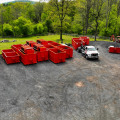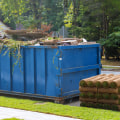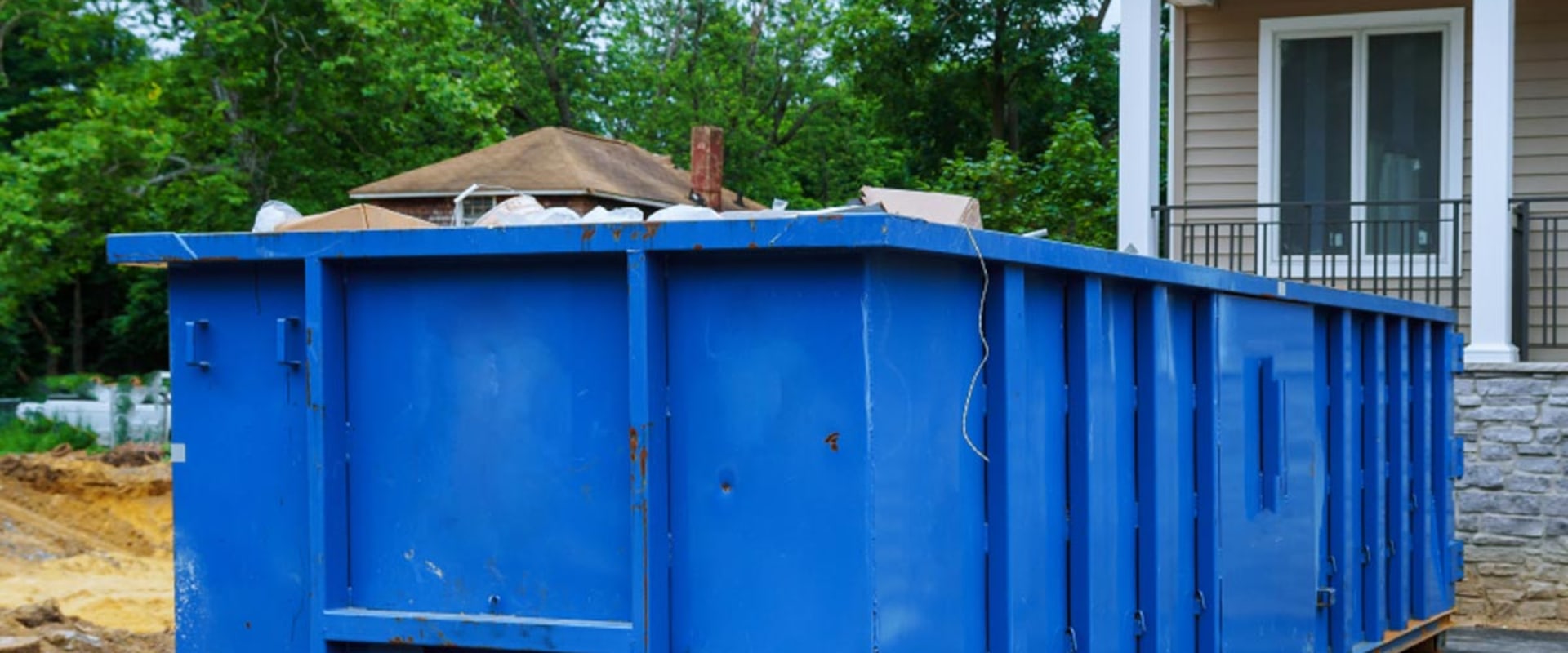
In the bustling state of New Jersey, where urban development and home renovations are commonplace, In the bustling state of New Jersey, where urban development and home renovations are commonplace, dumpster rentals have emerged as a vital solution for effective waste management. But what exactly is a dumpster rental? Simply put, it is a service that provides large containers for the temporary collection and disposal of waste materials. These containers come in various sizes, accommodating everything from small home cleanouts to extensive construction projects. Understanding the nuances of dumpster rentals is essential for anyone looking to manage waste responsibly.The importance of dumpster rentals cannot be overstated.
They offer a convenient and efficient way to handle large volumes of debris, ensuring that waste is disposed of properly and in compliance with local regulations. This is particularly crucial in New Jersey, where strict environmental laws govern waste disposal practices. By utilizing a dumpster rental service, individuals and businesses can streamline their cleanup processes, reduce clutter, and contribute to a cleaner environment.One of the primary benefits of opting for a dumpster rental is the time and effort it saves. Instead of making multiple trips to a landfill or recycling center, you can simply fill the container at your own pace.
Additionally, many dumpster rental companies provide flexible scheduling options, allowing you to choose when you need the container delivered and picked up. This flexibility is especially beneficial for those undertaking renovation projects or large cleanouts, as it allows for better planning and execution.Moreover, dumpster rentals promote safety on job sites by keeping debris contained and organized. This minimizes the risk of accidents caused by scattered materials and helps maintain a tidy work environment. With all these advantages, it's clear that understanding dumpster rentals is not just about knowing what they are; it's about recognizing their role in enhancing waste management practices across New Jersey.
Types of Dumpster Rentals Available in New Jersey
When it comes to dumpster rentals in New Jersey, understanding the different types available is essential for selecting the right option for your project.Whether you are a homeowner tackling a renovation or a business managing construction waste, knowing the distinctions between residential and commercial dumpsters can help streamline your waste disposal process.
Residential Dumpsters
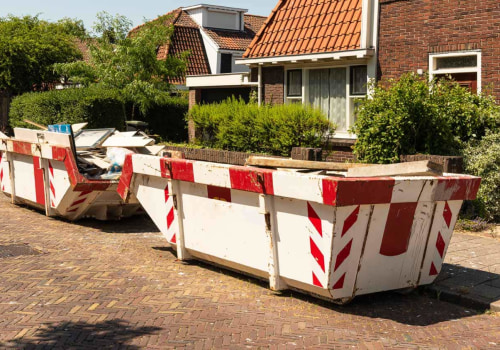
Residential dumpsters are designed for home projects, such as cleanouts, renovations, or landscaping. These containers typically come in smaller sizes, making them ideal for residential use. Common sizes include:- 10-yard dumpster: Suitable for small cleanouts or minor renovations, this size can hold about three pickup truck loads of debris.
- 20-yard dumpster: A popular choice for medium-sized projects like kitchen remodels or garage cleanouts, accommodating approximately six pickup truck loads.
- 30-yard dumpster: Ideal for larger renovations or significant cleanouts, this size can handle around nine pickup truck loads of waste.
Commercial Dumpsters
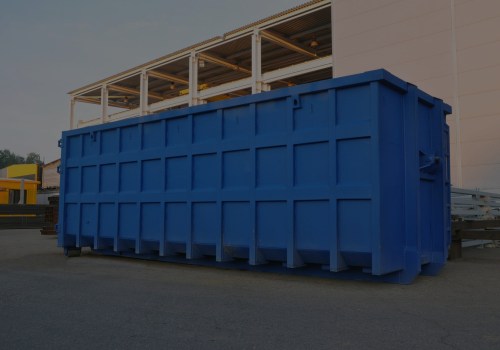
On the other hand, commercial dumpsters are tailored for businesses and larger construction sites. They are built to handle more substantial amounts of waste and often come in larger sizes:- 20-yard dumpster: Frequently used by contractors for medium-sized construction projects, this size is versatile and can manage various types of debris.
- 30-yard dumpster: Commonly utilized for larger commercial projects, such as office renovations or major construction jobs, it can accommodate significant amounts of waste.
- 40-yard dumpster: The largest option available, perfect for extensive construction sites or large-scale cleanouts, holding up to twelve pickup truck loads of material.
Consider the volume and type of waste you will be disposing of when making your choice. Additionally, consulting with a local dumpster rental service can provide valuable insights tailored to your specific needs.
What Can You Put in a Dumpster?
When considering a dumpster rental, understanding what materials are acceptable for disposal is essential. Proper waste management not only helps maintain a clean environment but also ensures compliance with local regulations. Below is a detailed overview of items that can typically be placed in a dumpster.Acceptable Items for Disposal
- Household Waste: This includes everyday items such as old furniture, clothing, and non-recyclable plastics.
Items like curtains, rugs, and books can also be disposed of in a dumpster.
- Construction Debris: If you're renovating or building, you can dispose of materials like drywall, wood, shingles, and flooring. However, ensure that these materials are free from hazardous substances.
- Yard Waste: Leaves, branches, and grass clippings can be placed in a dumpster. However, check local guidelines as some areas may have specific requirements for yard waste disposal.
- Appliances: Large appliances such as refrigerators, stoves, and washing machines can often be included in your rental. Be sure to confirm with your rental company about any additional fees or specific disposal methods required.
- Non-Hazardous Materials: Items like sinks, toilets, and non-electronic toys are generally acceptable.
Just ensure they are clean and free from hazardous materials.
Why Proper Disposal Matters
Disposing of waste correctly is crucial for several reasons:- Environmental Protection: Improper disposal can lead to pollution and harm local wildlife. By following guidelines, you contribute to a healthier ecosystem.
- Legal Compliance: Many municipalities have strict regulations regarding waste disposal. Failing to adhere to these rules can result in fines or legal issues.
- Safety Concerns: Certain materials can pose safety risks if not handled properly. For example, sharp objects or heavy debris can cause injuries during the loading or unloading process.
Always consult with your dumpster rental provider for specific guidelines tailored to your location and project needs.
Items You Cannot Dispose of in a Dumpster
When renting a dumpster, it is essential to understand that not all items are suitable for disposal in these containers. Certain materials pose significant risks to both the environment and public health, and their improper disposal can lead to serious legal consequences.Prohibited Items
Here’s a comprehensive list of items that you should never place in a dumpster:- Hazardous Waste: This category includes toxic substances such as paints, solvents, pesticides, and batteries. These materials can contaminate soil and water sources, making them extremely dangerous.
- Electronics: Items like televisions, computers, and other electronic devices contain hazardous components that require special handling. Many municipalities have designated e-waste recycling programs for safe disposal.
- Medical Waste: Items such as syringes, bandages, and other medical supplies must be disposed of through specialized medical waste disposal services to prevent health risks.
- Asbestos: If your renovation involves older buildings, be aware that asbestos is a highly regulated material.
It requires professional removal and disposal due to its carcinogenic properties.
- Flammable Materials: Items like propane tanks, gasoline, and other flammable liquids can create fire hazards and should be disposed of at designated facilities.
- Large Appliances: While some dumpster rental services may accept appliances like refrigerators or washing machines, many do not due to the hazardous materials they contain (e.g., refrigerants). Check with your rental provider for specific guidelines.
- Concrete and Dirt: Heavy materials such as concrete, bricks, or dirt often exceed weight limits for standard dumpsters. Specialized containers are available for these types of waste.
Legal Implications
Improper disposal of prohibited items can lead to severe penalties. In New Jersey, illegal dumping is taken very seriously.Offenders may face hefty fines, community service requirements, or even criminal charges depending on the severity of the violation. Additionally, businesses found guilty of illegal dumping can suffer reputational damage and loss of customer trust.To avoid these consequences, always consult with your dumpster rental provider about what can and cannot be disposed of in their containers. They can provide guidance on local regulations and recommend appropriate disposal methods for hazardous materials.By adhering to these guidelines, you not only protect the environment but also ensure a smooth and compliant waste disposal process during your project.
How to Choose the Right Size Dumpster for Your Project
Choosing the right size dumpster for your project is crucial to ensure efficiency and cost-effectiveness. A dumpster that is too small can lead to overflows and additional trips, while one that is too large may result in unnecessary expenses.Here’s a comprehensive guide to help you determine the appropriate dumpster size based on your specific needs.
Understanding Dumpster Sizes
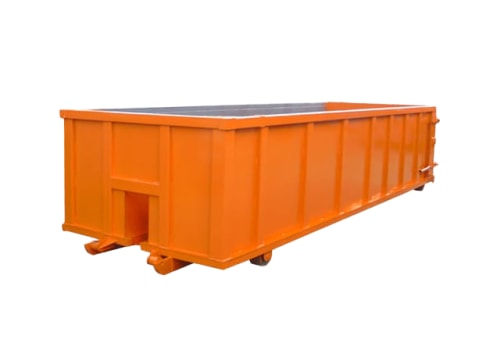
Dumpsters come in various sizes, typically measured in cubic yards. Here’s a quick overview of common dumpster sizes:- 10-yard dumpster: Ideal for small cleanouts, such as garage or attic cleanups, and minor renovations. It can hold about 3 pickup truck loads of debris.
- 20-yard dumpster: Suitable for medium-sized projects like kitchen remodels or larger cleanouts. This size can accommodate approximately 6 pickup truck loads.
- 30-yard dumpster: Best for substantial renovations or construction projects, such as home additions or major landscaping jobs.
It holds around 9 pickup truck loads.
- 40-yard dumpster: Designed for large-scale projects, including commercial renovations or significant construction work. This size can handle about 12 pickup truck loads.
Assessing Your Project Size
To select the right dumpster size, start by evaluating the scope of your project:- Type of Project: Consider whether you are undertaking a residential cleanout, renovation, or construction project. Each type has different waste volumes.
- Volume of Waste: Estimate the amount of debris you expect to generate. For example, a bathroom remodel may produce less waste than a full home renovation.
- Frequency of Disposal: If your project will generate waste continuously over time, a larger dumpster may be more practical to avoid frequent pickups.
Tips for Making Your Decision
Here are some additional tips to help you choose the right dumpster size:- Consult with Professionals: If you're unsure about the size you need, reach out to your dumpster rental company for guidance based on your project specifics.
- Consider Future Needs: If you anticipate additional waste generation in the future, it may be wise to opt for a slightly larger dumpster.
- Avoid Overloading: Ensure that you do not exceed the weight limit of the dumpster, as this can lead to extra fees and safety hazards.
Remember, selecting the right size is not just about capacity; it’s also about ensuring a smooth and efficient waste disposal process throughout your project.
The Process of Renting a Dumpster in New Jersey
Renting a dumpster in New Jersey can be a straightforward process if you follow the right steps. Whether you are a homeowner tackling a renovation project or a contractor managing a construction site, understanding how to rent a dumpster efficiently is essential. Here’s a detailed guide to help you navigate the process.1.Identify Your Needs
- Before reaching out to rental companies, assess the scope of your project. Determine the type and amount of waste you will be disposing of, as this will influence the size of the dumpster you need.
- Common sizes include 10, 20, 30, and 40 yards, with larger containers suitable for significant renovations or construction debris.
2.Research Dumpster Rental Companies
- Start by searching online for dumpster rental companies in NJ.
Look for local providers with good reviews and a solid reputation.
- Check their websites for information on available sizes, pricing, and any additional services they may offer.
- Consider asking friends or family for recommendations to find reliable options.
3.Request Quotes
- Once you have identified potential rental companies, contact them to request quotes. Be prepared to provide details about your project, including:
- The type of materials you will be disposing of
- The estimated volume of waste
- The duration for which you will need the dumpster
- Comparing quotes from multiple companies can help you find the best deal while ensuring quality service.
4.Schedule Delivery
- After selecting a company based on your research and quotes, schedule a delivery date that aligns with your project timeline.
- Ensure that there is adequate space for the dumpster at your location and that it complies with local regulations regarding placement.
5.Understand Rental Terms
- Before finalizing your rental, review the terms and conditions carefully. Pay attention to:
- The rental period and any associated fees for extending it
- The types of materials allowed in the dumpster
- Any additional charges for exceeding weight limits or improper disposal of prohibited items
- This knowledge will help avoid unexpected costs and ensure compliance with local waste disposal regulations.
6.Prepare for Pickup
- Once your project is complete, notify the rental company to arrange for pickup. Make sure the dumpster is accessible and free from obstructions.
- This final step ensures that your waste is disposed of properly and that you can move forward with your project without delay.
Cost Factors for Dumpster Rentals
When considering a dumpster rental in New Jersey, understanding the various factors that influence the cost is essential for effective budgeting.The price of renting a dumpster can vary significantly based on several key elements.
- Size of the Dumpster: One of the most significant factors affecting the cost is the size of the dumpster you choose. Dumpsters typically range from 10 to 40 yards in capacity. Smaller dumpsters are generally less expensive, while larger ones can cost significantly more due to their increased capacity and weight limits.
- Type of Waste: The nature of the waste being disposed of also plays a crucial role in determining rental costs. For instance, construction debris may incur higher fees compared to regular household waste due to its weight and disposal requirements.
Additionally, hazardous materials can lead to extra charges or may not be accepted at all.
- Rental Duration: The length of time you need the dumpster will impact the overall cost. Most companies offer a standard rental period (usually around 7 days), but extending this period can result in additional daily fees. Planning your project timeline effectively can help minimize these costs.
- Location: Geographic location within New Jersey can also affect pricing. Areas with higher demand for dumpster rentals may have elevated prices compared to less populated regions.
Additionally, local regulations and disposal fees can vary, influencing overall costs.
- Weight Limits: Each dumpster has a weight limit, and exceeding this limit can lead to overage charges. It’s important to estimate the weight of your waste accurately to avoid unexpected fees.
Tips for Efficiently Using Your Rented Dumpster
When it comes to utilizing your rented dumpster effectively, a few strategic approaches can make a significant difference in maximizing space and ensuring efficient waste disposal.Here are some practical tips to help you get the most out of your dumpster rental.
- Plan Ahead: Before you start loading your dumpster, take a moment to plan how you will organize the items. Consider sorting materials by type, such as construction debris, household items, and yard waste. This will not only streamline the loading process but also help you visualize how much space each category will occupy.
- Break Down Large Items: To maximize space, dismantle larger items whenever possible. For example, disassemble furniture or break down cardboard boxes.
This will allow you to fit more into the dumpster and reduce wasted space.
- Load Heavier Items First: Start by placing heavier items at the bottom of the dumpster. This creates a stable base and allows you to stack lighter materials on top without risking damage or instability.
- Utilize Vertical Space: Don’t forget to take advantage of the vertical space in your dumpster. Stack items as high as possible while ensuring they remain stable. However, be cautious not to exceed the height limit of the container, as this can lead to safety hazards and potential fines.
- Fill Gaps Wisely: As you load your dumpster, look for gaps between larger items where smaller pieces can fit.
Use this opportunity to fill in those spaces with smaller debris or loose materials, which helps maximize every inch of available space.
- Avoid Overloading: While it may be tempting to cram as much as possible into your dumpster, overloading can lead to complications. Not only is it unsafe, but it may also violate local regulations. Always adhere to the weight limits and guidelines provided by your rental company.
- Keep It Organized: Maintain an organized approach while loading your dumpster. If you have multiple types of waste, consider designating specific areas within the dumpster for each type.
This will make it easier for waste management services to sort and dispose of materials appropriately.
Frequently Asked Questions About Dumpster Rentals in New Jersey
When considering a dumpster rental in New Jersey, many individuals and businesses have questions that can help clarify the process and ensure a smooth experience. Below are some of the most frequently asked questions regarding dumpster rentals, along with detailed answers to assist you in making informed decisions.What size dumpster do I need?
The size of the dumpster you require largely depends on the scope of your project. For small cleanouts or minor renovations, a 10-yard dumpster may suffice.However, for larger projects such as home renovations or significant construction work, you might need a 20-yard or even a 30-yard dumpster. It’s essential to assess the volume of waste you expect to generate to choose the right size.
How long can I keep the dumpster?
Most dumpster rental companies in New Jersey offer flexible rental periods, typically ranging from a few days to several weeks. If you anticipate needing the dumpster for an extended period, be sure to discuss this with your rental provider. They can often accommodate longer rentals for an additional fee.What can I put in a dumpster?
You can generally dispose of non-hazardous materials such as:- Household junk
- Furniture
- Construction debris
- Yard waste
- Appliances (check with your provider for specific guidelines)
Always confirm with your rental company about specific restrictions.
Are there any hidden fees?
While most reputable dumpster rental companies provide transparent pricing, it’s wise to inquire about potential hidden fees. These may include charges for exceeding weight limits, additional rental days, or disposal of prohibited items. Always read the rental agreement carefully and ask questions if anything is unclear.How do I prepare for delivery?
To ensure a smooth delivery process, clear the area where the dumpster will be placed. Make sure there is enough space for the truck to maneuver and that the ground is stable.If you live in a residential area, check if you need a permit for placing a dumpster on the street or sidewalk.If you have more questions about dumpster rentals, don’t hesitate to reach out to your local provider. They can offer tailored advice based on your specific needs and project requirements.
Conclusion: Making Informed Decisions About Dumpster Rentals
In conclusion, understanding the intricacies of dumpster rental services in New Jersey is essential for anyone looking to manage waste effectively. Throughout this article, we have explored various aspects of dumpster rentals, from the types of materials that can be disposed of to the importance of selecting the right size container for your project.One of the key takeaways is the significance of knowing what can and cannot be placed in a dumpster. By adhering to local regulations and guidelines, you not only ensure compliance but also contribute to a healthier environment.Proper disposal practices help minimize landfill waste and promote recycling efforts, which are crucial in today’s eco-conscious society.Additionally, we discussed the different sizes of dumpsters available for rent, ranging from 10 to 40 yards. Choosing the appropriate size is vital; a container that is too small may lead to additional trips and costs, while an oversized dumpster can be an unnecessary expense. Assessing your project’s needs accurately will save you time and money in the long run.Moreover, it’s important to consider the logistics involved in renting a dumpster. Factors such as delivery times, placement on your property, and any necessary permits should be taken into account.
Engaging with a reputable dumpster rental company can provide you with valuable insights and assistance throughout the process.As you embark on your next renovation or cleanup project, remember that making informed decisions about dumpster rentals can significantly impact both your experience and the environment. Take the time to research your options, ask questions, and understand your responsibilities as a renter. By doing so, you will not only streamline your waste management process but also contribute positively to your community.Ultimately, whether you are a homeowner tackling a DIY project or a contractor managing a large construction site, being knowledgeable about dumpster rentals will empower you to make choices that align with both your needs and environmental standards. Don’t hesitate to reach out to local providers for guidance tailored to your specific situation.