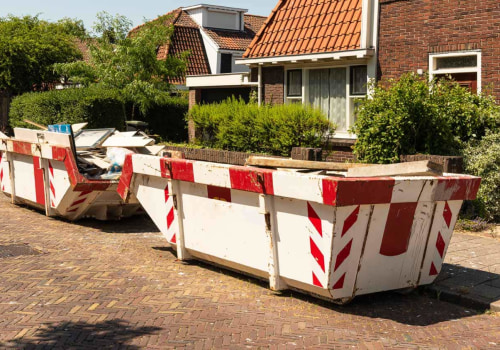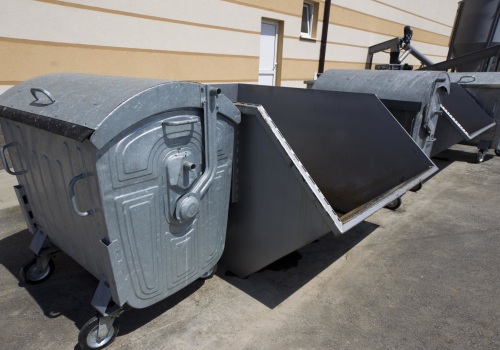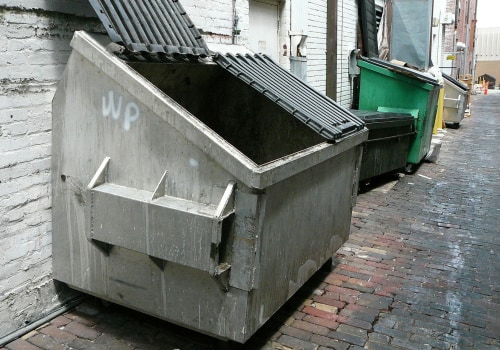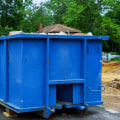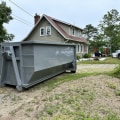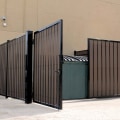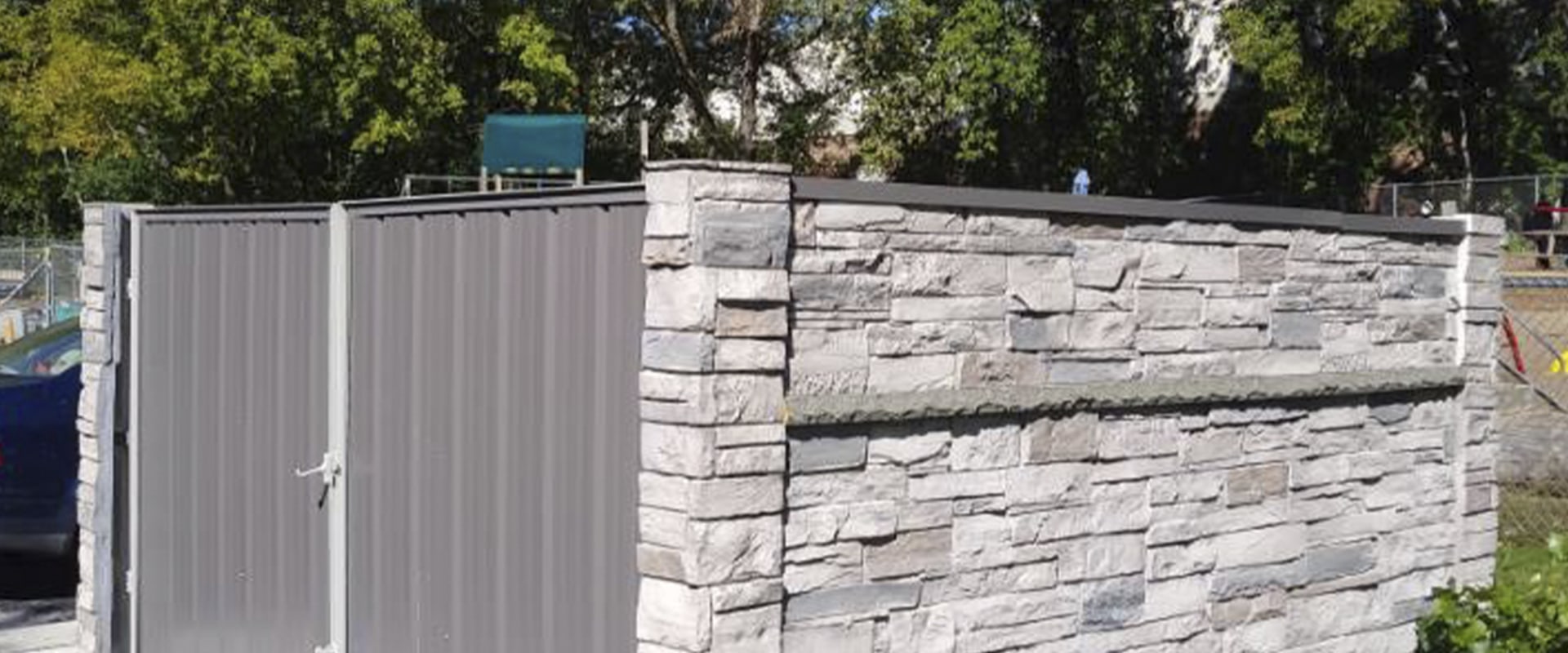
In the realm of property management and construction, the significance of a dumpster enclosure cannot be overstated. These structures serve as a vital component in maintaining not only the cleanliness of a property but also its overall aesthetic appeal. A well-designed dumpster enclosure effectively conceals unsightly waste containers, preventing them from becoming an eyesore that detracts from the beauty of your landscape. Moreover, it plays a crucial role in promoting hygiene by containing odors and deterring pests, which can thrive in open waste areas.Beyond aesthetics and cleanliness, dumpster enclosures offer enhanced security for both the property and its occupants.
By restricting access to waste containers, these enclosures help prevent unauthorized dumping and vandalism, which can lead to increased costs for property owners. Additionally, they provide a safe environment for employees who handle waste management, reducing the risk of accidents associated with open dumpsters. This is particularly important in commercial settings where safety regulations must be adhered to.When considering dumpster rental, it is essential to factor in the need for an enclosure. Many municipalities have specific regulations regarding waste disposal and containment, making it imperative to comply with local laws.
A properly designed dumpster enclosure not only meets these legal requirements but also enhances the efficiency of waste collection services. By ensuring that dumpsters are easily accessible yet securely contained, property owners can streamline their waste management processes while minimizing disruptions.In summary, understanding the importance of a dumpster enclosure is fundamental for anyone involved in property management or construction. These enclosures provide numerous benefits, including improved aesthetics, enhanced security, and compliance with local regulations. As we delve deeper into the design considerations for dumpster enclosures, it becomes clear that investing time and resources into this aspect of property management is not just beneficial but essential.
Key Considerations Before Designing Your Dumpster Enclosure
Before embarking on the design of your dumpster enclosure, it is crucial to consider several key factors that will influence both its functionality and compliance with local regulations.Understanding these elements can save you time, money, and potential legal issues down the line.
Local Regulations and Permits
One of the first steps in planning your dumpster enclosure is to familiarize yourself with local zoning laws and regulations. Many municipalities have specific guidelines regarding the placement, size, and appearance of dumpster enclosures. These regulations may dictate:- Height Restrictions: Some areas may limit how tall your enclosure can be.
- Material Requirements: Certain materials may be mandated for aesthetic or safety reasons.
- Setback Requirements: Regulations may specify how far the enclosure must be from property lines or public pathways.
Space Requirements
The dimensions of your dumpster enclosure should accommodate not only the dumpster itself but also allow for safe and efficient access.Consider the following:
- Size of the Dumpster: Measure the dimensions of your dumpster accurately to ensure a snug fit within the enclosure.
- Access Space: Ensure there is enough room for employees to maneuver around the dumpster safely. A minimum clearance of 3 feet on all sides is often recommended.
- Truck Accessibility: Plan for adequate space for waste collection vehicles to access and service the dumpster without obstruction. This typically requires a turning radius of at least 60 feet. Plan for adequate space for waste collection vehicles to access and service the dumpster without obstruction. This typically requires a turning radius of at least 60 feet.
Accessibility and Safety
Your dumpster enclosure should not only be functional but also safe for users. Consider implementing features such as:- Easy Access Doors: Ensure that doors are wide enough and easy to open, even when hands are full.
- Non-Slip Surfaces: If your enclosure is on a concrete surface, consider adding non-slip coatings to prevent accidents during wet conditions.
- Lighting: Adequate lighting can enhance safety during early morning or late evening waste disposal activities.
This thoughtful planning will contribute significantly to the overall success of your project.
Measuring and Planning Your Dumpster Enclosure
When it comes to designing a dumpster enclosure, the first and most critical step is measuring the area accurately. This process not only ensures that the enclosure fits well within the designated space but also complies with local regulations and operational needs.1.Gather Your Tools
- Measuring tape (at least 100 feet long)
- Marker or chalk for marking dimensions
- Notepad for recording measurements
- Level to ensure even ground
2.Measure the Dumpster
Start by measuring the dimensions of your dumpster. Most standard dumpsters come in sizes ranging from 10 to 40 cubic yards. Record the length, width, and height of the dumpster.
Additionally, consider any extra space needed for accessibility, such as:
- A minimum of 3 feet around the dumpster for easy access
- A clearance height of at least 20 feet to accommodate truck pickups
3.Assess the Site
Next, evaluate the site where you plan to install the enclosure. Look for:
- Existing structures or obstacles that may interfere with the enclosure's placement
- The type of surface (asphalt, concrete, gravel) which may affect installation methods
- Drainage patterns to avoid water pooling around the dumpster area
4.Plan for Accessibility
Your design should allow for easy access not only for employees but also for waste management trucks. Ensure that:
- The entrance to the enclosure is wide enough (at least 15 feet) to allow trucks to maneuver easily.
- The door swings open fully without obstruction.
- There is adequate space for employees to safely load and unload waste materials.
5.Create a Layout Plan
Once you have all your measurements, sketch a layout plan that incorporates all these elements. This plan should include:
- The exact dimensions of the enclosure based on your dumpster size and required clearances.
- The location of doors and any additional features like ventilation or lighting.
- A consideration of aesthetic elements that align with your property’s overall design.
Choosing the Right Materials for Your Dumpster Enclosure
When it comes to constructing a dumpster enclosure, the choice of materials is crucial.The right materials not only enhance the functionality of the enclosure but also contribute to its aesthetic appeal and longevity. Below, we explore the most common materials used for dumpster enclosures, comparing their durability, cost-effectiveness, and visual impact.
Wood Enclosures
Wood is a popular choice for dumpster enclosures due to its natural look and versatility. Here are some key points to consider:- Cost-Effective: Generally, wood is more affordable than metal or concrete, making it an attractive option for budget-conscious projects.
- Aesthetic Appeal: Wood can be stained or painted to match the surrounding environment, providing a warm and inviting appearance.
- Maintenance: While wood can be treated to resist rot and pests, it may require regular maintenance such as staining or sealing to prolong its lifespan.
- Durability: Wood is less durable than metal or concrete and may not withstand harsh weather conditions or vandalism as effectively.
Metal Enclosures
Metal enclosures, particularly those made from steel or aluminum, offer a robust alternative. Consider the following:- Strength: Metal is highly durable and can withstand extreme weather conditions, making it ideal for long-term use.
- Security: Metal enclosures provide enhanced security against theft and vandalism compared to wood.
- Aesthetic Options: Available in various finishes and colors, metal can be customized to fit the design of your property.
- Cost: While generally more expensive than wood, metal enclosures offer greater longevity, which can justify the initial investment over time.
Concrete Enclosures
If you are looking for maximum durability and security, concrete may be the best option.Here’s what you should know:
- Unmatched Durability: Concrete is incredibly strong and resistant to damage from weather, pests, and physical impact.
- Low Maintenance: Once installed, concrete requires minimal maintenance compared to wood or metal options.
- Aesthetic Versatility: Concrete can be finished in various ways—stamped, stained, or painted—to enhance its visual appeal.
- Higher Initial Cost: Concrete typically has a higher upfront cost due to material and installation expenses but offers long-term savings through durability.
Designing for Accessibility and Functionality
When designing a dumpster enclosure, it is crucial to prioritize accessibility and functionality. A well-designed enclosure not only enhances the aesthetic appeal of your property but also ensures that it serves its purpose effectively for both employees and waste collection services.Understanding Accessibility Needs
Accessibility in dumpster design means creating an enclosure that is easy to use for everyone involved.This includes considering the physical capabilities of employees who will be accessing the dumpster regularly. Here are some key factors to consider:
- Door Design: Ensure that the doors of the enclosure are wide enough to accommodate large bags and bins. A minimum width of 4 feet is recommended, allowing for easy access even when carrying bulky items.
- Height Considerations: The height of the enclosure should allow users to easily toss waste into the dumpster without straining. A height of around 4 to 5 feet is generally ideal.
- Ground Surface: The area surrounding the dumpster should be level and stable, preventing slips and falls.
Consider using non-slip materials or adding a concrete pad to enhance safety.
Functional Design Elements
A functional dumpster enclosure goes beyond just accessibility; it also needs to facilitate efficient waste management. Here are some design elements that can enhance functionality:- Clear Signage: Use clear and visible signage on the enclosure to indicate what types of waste can be disposed of. This helps prevent contamination and ensures proper waste sorting.
- Lighting: Adequate lighting around the enclosure is essential for safety, especially during early morning or late evening hours. Consider installing motion-sensor lights to enhance visibility.
- Ventilation: Proper ventilation within the enclosure can help reduce odors and deter pests.
Incorporating vents or slatted designs can improve airflow while maintaining security.
Aesthetic Considerations in Dumpster Enclosure Design
When it comes to designing a dumpster enclosure, aesthetics often take a backseat to functionality. However, an attractive dumpster enclosure can significantly enhance the overall appearance of your property. By incorporating thoughtful design elements and landscaping, you can create a visually appealing structure that blends seamlessly with its surroundings.Choosing the Right Design Elements
- Color Schemes: Select colors that complement the existing architecture of your property.
Neutral tones can provide a subtle backdrop, while brighter colors can make the enclosure a focal point.
- Materials: The choice of materials can greatly influence the aesthetic appeal. Consider using wood or composite materials that can be stained or painted to match your property. Metal enclosures can be powder-coated in various colors for added visual interest.
- Architectural Features: Adding features such as decorative fencing, lattice work, or even a sloped roof can enhance the visual appeal of the enclosure. These elements not only improve aesthetics but also provide additional functionality, such as shade or protection from the elements.
Landscaping Around the Enclosure
Landscaping plays a crucial role in softening the harsh lines of a dumpster enclosure.
Here are some effective strategies:
- Planting Shrubs and Flowers: Surrounding the enclosure with shrubs or flowering plants can create a natural barrier that hides the dumpster from view. Choose low-maintenance plants that thrive in your local climate.
- Using Decorative Stones: Incorporating decorative stones or gravel around the base of the enclosure can add texture and visual interest. This also helps with drainage and reduces mud splatter during rainy seasons.
- Creating Pathways: If your dumpster is frequently accessed by employees or service personnel, consider creating a pathway leading to it. This not only improves accessibility but also adds an organized look to the area.
Integrating with Existing Landscape
Your dumpster enclosure should not feel like an afterthought.
Instead, it should be integrated into the overall landscape design of your property. Consider how it fits within existing trees, gardens, and walkways. By ensuring that your enclosure complements these elements, you create a cohesive look that enhances property value.In conclusion, investing time and resources into the aesthetic design of your dumpster enclosure can yield significant benefits for your property’s appearance. By carefully selecting design elements and incorporating landscaping, you can transform a functional necessity into an attractive feature that enhances your overall environment.
DIY vs.
Professional Installation: What You Need to KnowWhen it comes to constructing a dumpster enclosure, one of the most significant decisions you'll face is whether to tackle the project yourself or hire a professional. Each option has its own set of advantages and disadvantages, and understanding these can help you make an informed choice that aligns with your skills, budget, and timeline.
Pros and Cons of DIY Installation
Opting for a DIY dumpster enclosure installation can be appealing for several reasons:- Cost Savings: One of the most compelling reasons to go the DIY route is the potential for significant cost savings. By handling the project yourself, you can avoid labor costs associated with hiring professionals.
- Personal Satisfaction: Completing a project on your own can be incredibly rewarding. It allows you to take pride in your work and customize the enclosure to your specific needs.
- Flexibility: DIY projects offer flexibility in terms of scheduling.
You can work at your own pace and make adjustments as needed without coordinating with a contractor.
- Skill Level: If you lack experience in construction or design, you may encounter difficulties that could lead to mistakes, resulting in additional costs or time delays.
- Time-Consuming: Building an enclosure from scratch can be time-intensive, especially if you're juggling other responsibilities.
- Tools and Equipment: Depending on the materials you choose, you may need specialized tools that you don’t already own, which could add to your expenses.
The Case for Professional Installation
On the other hand, hiring professionals for your dumpster enclosure project comes with its own set of benefits:- Expertise: Professionals bring a wealth of experience and knowledge to the table. They understand local building codes and regulations, ensuring that your enclosure meets all necessary requirements.
- Quality Assurance: With skilled labor, you can expect a higher quality finish. Professionals are trained to handle various materials and construction techniques effectively.
- Time Efficiency: Hiring experts can significantly reduce the time it takes to complete the project. They have the manpower and resources to get the job done quickly.
- Higher Costs: The most apparent drawback is the cost.
Hiring professionals can be significantly more expensive than doing it yourself due to labor fees.
- Lack of Control: When you hire someone else, you may have less control over certain aspects of the design and execution compared to a DIY project.
Cost Comparison: DIY vs. Professional Installation
The cost comparison between DIY and professional installation varies widely based on several factors including materials, labor rates in your area, and any unforeseen complications that may arise during construction. Generally speaking:- DIY Costs: Your primary expenses will include materials (wood, metal, concrete), tools (if not already owned), and any permits required by local authorities. While this option is often cheaper upfront, consider potential costs for mistakes or delays.
- Professional Costs: Expect to pay for both materials and labor.
While this option is more expensive initially, it may save money in the long run by preventing costly errors or rework.
Maintenance Tips for Your Dumpster Enclosure
Maintaining your dumpster enclosure is crucial for ensuring its longevity and functionality. Regular upkeep not only enhances the aesthetic appeal of your property but also prevents costly repairs down the line. Here are some practical tips to help you keep your dumpster enclosure in top shape.Regular Inspections
Conducting regular inspections is the first step in maintaining your dumpster enclosure.Check for any signs of wear and tear, such as:
- Rust or corrosion on metal enclosures
- Cracks or chips in concrete structures
- Rotting or splintering wood components
- Loose hinges or latches on doors
Cleaning Routine
A clean dumpster enclosure not only looks better but also helps prevent unpleasant odors and pest infestations. Implement a regular cleaning schedule that includes:- Washing the interior and exterior with a pressure washer or hose to remove dirt and debris.
- Using disinfectants to eliminate bacteria and odors, especially after waste collection days.
- Clearing out any litter or debris that may accumulate around the enclosure.
Repairs and Upgrades
If you notice any damage during your inspections, it’s essential to address it promptly. For minor repairs, consider:- Patching up cracks in concrete with appropriate sealants.
- Sanding and repainting rusted metal surfaces to prevent further corrosion.
- Replacing damaged wood panels to maintain structural integrity.
- Installing a more durable locking mechanism for added security.
- Adding ventilation systems to reduce odors.
- Enhancing aesthetics with decorative elements that match your property’s design.
Common Mistakes to Avoid When Designing a Dumpster Enclosure
Designing a dumpster enclosure can be a complex task, and there are several common mistakes that can lead to inefficiencies, increased costs, or even regulatory issues. By being aware of these pitfalls, you can ensure that your project runs smoothly and meets all necessary requirements.- Neglecting Local Regulations: One of the most significant errors is failing to check local zoning laws and regulations regarding dumpster enclosures.
Many municipalities have specific guidelines about size, materials, and placement. Ignoring these can result in fines or the need for costly modifications.
- Inadequate Space Planning: A frequent oversight is not allowing enough space for the dumpster itself as well as for the garbage truck to access it. Ensure that your design accommodates the full dimensions of the dumpster and provides sufficient clearance for collection vehicles. A cramped enclosure can lead to operational inefficiencies and safety hazards.
- Poor Material Selection: Choosing the wrong materials can compromise the durability and functionality of your enclosure.
For instance, while wood may be aesthetically pleasing, it may not withstand harsh weather conditions as well as metal or concrete. Evaluate your environment and select materials that will endure local weather patterns and potential vandalism.
- Ignoring Aesthetic Considerations: While functionality is crucial, neglecting the visual aspect of your dumpster enclosure can detract from the overall appeal of your property. Consider how the enclosure will blend with existing structures and landscaping. A well-designed enclosure can enhance curb appeal rather than detract from it.
- Overlooking Maintenance Needs: Some designs may look great initially but require excessive maintenance over time.
For example, wooden enclosures may need regular staining or sealing to prevent rot. Opt for materials that align with your maintenance capabilities to avoid future headaches.
- Insufficient Ventilation: Failing to incorporate proper ventilation can lead to unpleasant odors and attract pests. Ensure that your design allows for adequate airflow to keep the area clean and odor-free.
Conclusion: Creating an Effective Dumpster Enclosure Design
In summary, designing an effective dumpster enclosure is a multifaceted process that requires careful consideration of various elements.From the initial measurements to the choice of materials, each decision plays a crucial role in the overall functionality and aesthetic appeal of the enclosure.First and foremost, accurate measurements are essential. Understanding the dimensions of your dumpster and the surrounding area ensures that the enclosure will accommodate not only the dumpster itself but also allow for easy access for maintenance and collection. A well-planned layout can prevent future complications, such as restricted access or inadequate space for waste disposal.Next, the choice between professional installation and a DIY approach should be made with careful thought. While some may feel confident in their ability to construct an enclosure, hiring professionals can often lead to a more durable and reliable structure.
This is particularly true when dealing with concrete surfaces or complex designs that require specialized tools and expertise.The selection of materials is another critical aspect. Each material—be it wood, metal, or concrete—has its own set of advantages and disadvantages. For instance, while wood may offer a natural look and cost-effectiveness, it may not withstand harsh weather conditions as well as metal or concrete options. On the other hand, metal provides durability but may come at a higher price point.
Concrete stands out for its strength but requires significant investment and labor.Moreover, considering the space around the dumpster is vital for ensuring that the enclosure serves its purpose effectively. The design should facilitate easy access for both users and waste collection services while maintaining an organized appearance. A well-designed enclosure not only enhances functionality but also contributes positively to the overall aesthetics of your property.Ultimately, a thoughtfully designed dumpster enclosure can significantly improve waste management on your property while enhancing its visual appeal. By taking into account all these factors—measurements, installation methods, material choices, and spatial considerations—you can create an enclosure that meets your needs effectively.
Remember that investing time and resources into this project will pay off in terms of convenience, safety, and aesthetics.