When it comes to managing waste effectively, dumpster rental has become an essential service for both residential and commercial projects. Whether you're undertaking a home renovation, clearing out a garage, or managing debris from a construction site, having the right dumpster can make all the difference in ensuring a smooth and efficient waste disposal process. Understanding the basics of dumpster rental is crucial for anyone looking to tackle a project that generates significant waste.One of the first things to grasp is the variety of dumpster sizes available. Dumpsters come in various dimensions, typically ranging from 10 to 40 yards in capacity.
This range allows you to select a dumpster that aligns perfectly with your specific needs, whether you're disposing of small household items or large construction debris. Knowing how to choose the right size is vital; selecting one that is too small can lead to overflow and additional costs, while opting for one that is too large may result in unnecessary expenses.Moreover, the importance of waste disposal cannot be overstated. Proper waste management not only helps keep your environment clean but also ensures compliance with local regulations. Many municipalities have strict guidelines regarding waste disposal, and failing to adhere to these can lead to fines or other penalties.
By renting a dumpster, you can simplify the process of disposing of waste responsibly and efficiently.In this article, we will delve deeper into the factors that influence your choice of dumpster size and provide practical tips for making an informed decision. From understanding your project's scope to considering the type of materials you'll be disposing of, we aim to equip you with the knowledge necessary for effective waste management through proper dumpster rental.
Types of Dumpsters Available for Rent
When it comes to dumpster rental, understanding the different types of dumpsters available can significantly impact your waste management strategy. Each type is designed for specific needs, making it essential to choose the right one for your project. Below, we explore the most common types of dumpsters you can rent.Roll-Off Dumpsters
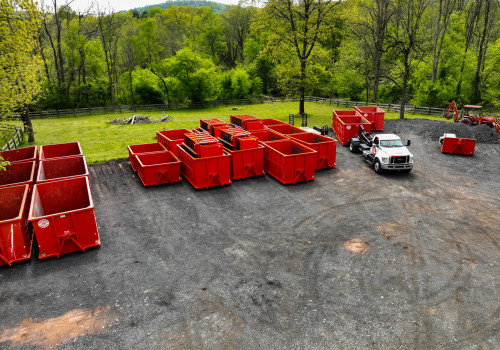
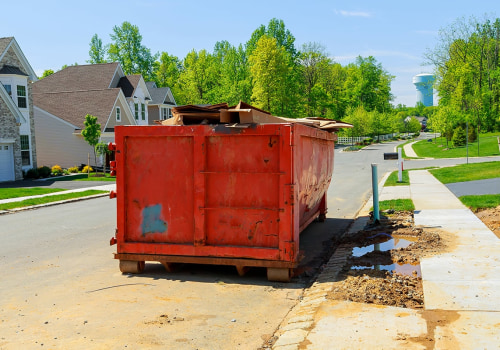
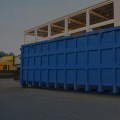
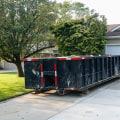
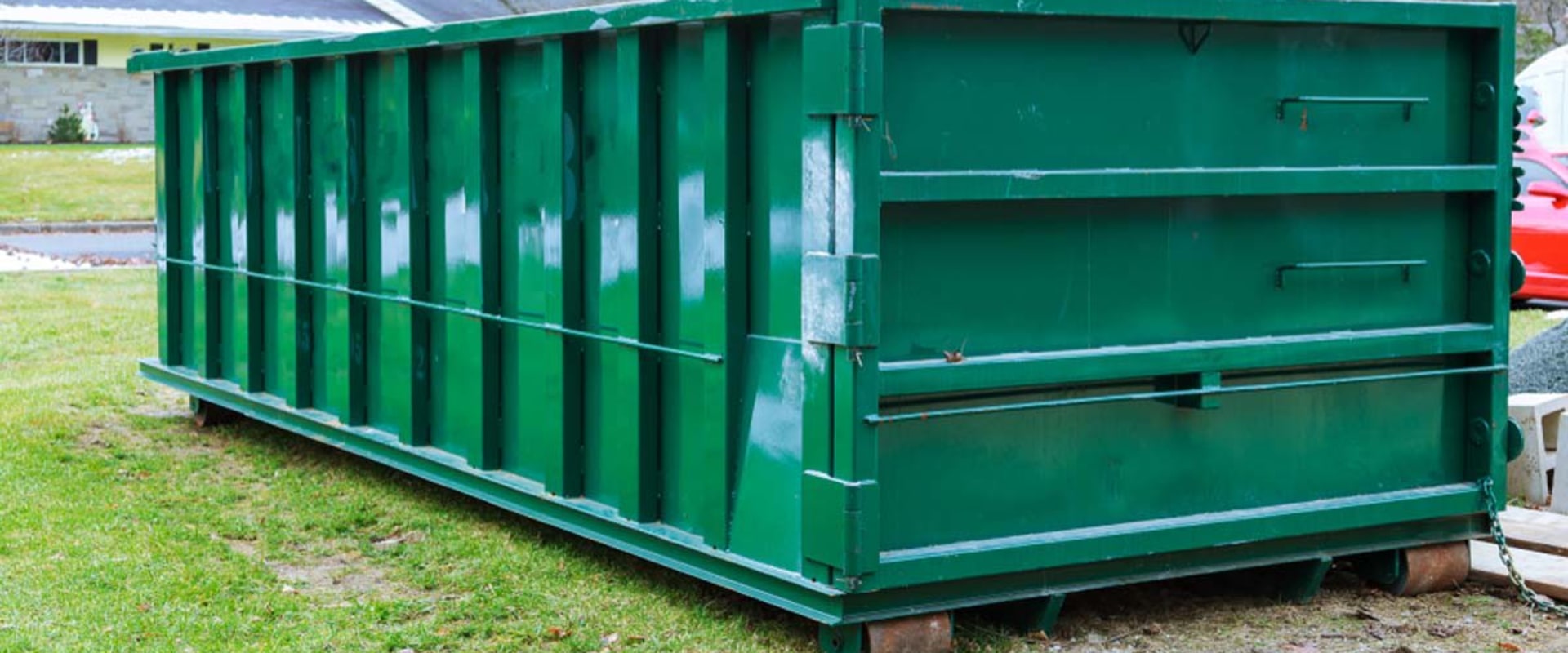
Roll-off dumpsters are among the most popular options for residential and commercial projects.These dumpsters are typically delivered on a truck and rolled off onto your property. They come in various sizes, ranging from 10 to 40 yards, making them suitable for everything from small home renovations to large construction sites.
- 10-Yard Roll-Off: Ideal for small cleanouts or minor renovations.
- 20-Yard Roll-Off: Great for medium-sized projects like garage cleanouts or landscaping.
- 30-Yard Roll-Off: Suitable for larger renovations or commercial projects.
- 40-Yard Roll-Off: Best for major construction jobs or large-scale cleanouts.
Front-Load Dumpsters
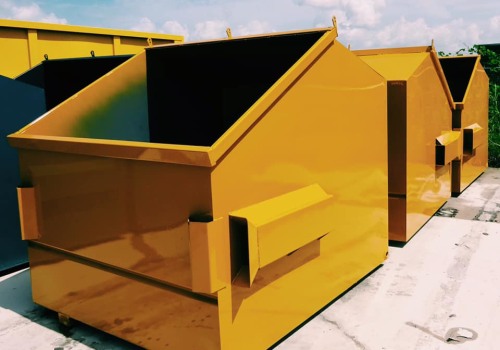
Front-load dumpsters are commonly used by businesses and are designed for frequent access. These containers have a hinged lid and are emptied by a front-loading garbage truck. They are available in sizes ranging from 2 to 8 yards, making them ideal for ongoing waste disposal needs.- 2-Yard Front-Load: Perfect for small businesses with minimal waste.
- 4-Yard Front-Load: Suitable for medium-sized businesses or restaurants.
- 8-Yard Front-Load: Best for larger commercial operations with high waste output.
Specialty Dumpsters
In addition to standard roll-off and front-load options, some companies offer specialty dumpsters designed for specific types of waste.These may include:
- Construction Dumpsters: Designed to handle heavy materials like concrete and asphalt.
- Yard Waste Dumpsters: Ideal for disposing of organic materials such as branches, leaves, and grass clippings.
- Hazardous Waste Dumpsters: Used for disposing of materials that require special handling, such as chemicals or medical waste.
Standard Dumpster Sizes and Their Capacities
When it comes to dumpster rental, understanding the various standard sizes and their respective capacities is essential for effective waste management. Each size is designed to accommodate different types and amounts of waste, making it crucial to select the right one for your specific needs. Below is a detailed overview of the most common dumpster sizes available for rent.- 10-Yard Dumpster: This is the smallest size typically available for rental.
It can hold approximately 10 cubic yards of waste, which is equivalent to about 50-60 standard trash bags. This size is ideal for small home projects such as garage cleanouts, minor renovations, or landscaping jobs.
- 20-Yard Dumpster: A popular choice for medium-sized projects, the 20-yard dumpster can accommodate around 20 cubic yards of waste, roughly translating to 100-120 trash bags. This size is perfect for larger home renovations, roofing projects, or significant cleanouts.
- 30-Yard Dumpster: For substantial projects that generate a considerable amount of waste, the 30-yard dumpster is an excellent option. It holds about 30 cubic yards of material, which can be equivalent to 150-180 trash bags.
This size is commonly used for commercial renovations, large construction sites, or extensive cleanouts.
- 40-Yard Dumpster: The largest standard dumpster available for rental, the 40-yard dumpster can hold approximately 40 cubic yards of waste—about 200-240 trash bags. This size is typically reserved for major construction projects, large-scale demolitions, or significant commercial cleanouts.
By evaluating your project’s specific needs and estimating the amount of waste you expect to generate, you can choose the most suitable dumpster size to ensure efficient waste disposal.
Factors to Consider When Choosing a Dumpster Size
When it comes to choosing the right dumpster size, several key factors can significantly influence your decision. Understanding these factors will not only help you select the appropriate dumpster but also ensure that your waste disposal process is efficient and cost-effective.- Amount of Waste: The first and foremost consideration is the volume of waste you expect to generate. For smaller projects, such as a garage cleanout or minor renovations, a 10-yard dumpster may suffice. However, larger projects like home remodels or commercial cleanouts often require dumpsters ranging from 20 to 40 yards.
Estimating the amount of waste can be tricky, so consider the following:
- For household junk removal, a 10-yard dumpster can hold about three pickup truck loads.
- A 20-yard dumpster is suitable for medium-sized renovations and can accommodate around six pickup truck loads.
- If you're dealing with a major construction site, a 30 or 40-yard dumpster may be necessary, holding up to twelve pickup truck loads.
- Type of Waste: The nature of the waste you are disposing of also plays a crucial role in determining the right dumpster size. Different types of waste have varying densities and volumes. For instance:
- Bulky items, such as furniture or appliances, require more space than general household debris.
- Construction debris, like drywall or wood, can often be compacted, allowing for more material in a smaller dumpster.
- Hazardous materials, if applicable, may require special handling and could affect your choice of dumpster size.
- Project Duration: The length of time your project will take can also dictate the size of the dumpster you need. If your project spans several weeks or months, opting for a larger dumpster can save you from frequent pickups and additional rental fees.
A larger dumpster allows for continuous disposal without interruption.
- Available Space: Finally, consider the physical space available for placing the dumpster. If you have limited room on your property, you may need to choose a smaller size or find an alternative location that complies with local regulations. Ensure there is enough clearance for delivery and pickup trucks to maneuver safely.
Estimating Your Waste Volume: A Practical Guide
Estimating the volume of waste generated from your project is a crucial step in selecting the appropriate dumpster size.Accurate waste estimation not only helps you avoid overpaying for unnecessary space but also ensures that you have enough capacity to handle all your debris. Here’s a practical guide to help you assess your waste volume effectively.
1.Understand Your Project Type
The first step in estimating waste volume is to consider the type of project you are undertaking. Different projects generate different types and amounts of waste:- Home Renovations: Projects like kitchen or bathroom remodels can produce a significant amount of debris, including cabinets, tiles, and fixtures.
- Construction Sites: New builds or major renovations often result in large quantities of construction materials such as wood, drywall, and metal.
- Landscaping: Yard cleanups or landscaping projects can generate organic waste like branches, leaves, and soil.
- Commercial Cleanouts: Office or retail space cleanouts may involve bulky items like furniture and electronics.
2.Calculate Waste Volume
Once you understand the nature of your project, you can begin to calculate the estimated volume of waste. Here are some methods to help you:- Use Standard Measurements: Familiarize yourself with standard measurements for common items.
For example, a standard kitchen cabinet can take up about 5 cubic feet of space.
- Create a List: Make a detailed list of all items you plan to dispose of. Categorize them by type and estimate their volume based on standard sizes.
- Utilize Online Calculators: Many waste management companies offer online calculators that can help you estimate your waste volume based on project type and materials.
3.Consider Waste Density
The density of the materials you are disposing of also plays a significant role in determining the right dumpster size. For instance, heavy materials like concrete or bricks will take up less space than lighter materials like cardboard or plastic. Be sure to account for this when making your estimates.4.Factor in Extra Space
It’s wise to add a buffer to your calculations.Projects often generate more waste than initially anticipated due to unforeseen circumstances. Adding an extra 10-20% to your estimated volume can help accommodate any surprises.By following these guidelines, you can make a more informed decision when renting a dumpster, ensuring that it meets your project's specific needs without incurring unnecessary costs.
Common Projects and Recommended Dumpster Sizes
When it comes to waste disposal, understanding the specific needs of your project is essential for selecting the right dumpster size. Different projects generate varying amounts and types of waste, which directly influences the size of the dumpster you should rent. Below are some common projects along with recommended dumpster sizes to help you make an informed decision.Home Renovations
Home renovations can range from minor updates to major overhauls.Depending on the scope of your project, the amount of debris can vary significantly. For smaller renovations, such as a bathroom remodel or kitchen updates, a 10-yard dumpster is often sufficient. This size can accommodate items like old cabinets, tiles, and fixtures.For larger renovations, such as a full home remodel or significant structural changes, consider a 20-yard dumpster. This size is ideal for disposing of larger quantities of waste, including drywall, flooring, and large furniture pieces.
If your renovation involves extensive demolition or construction work, a 30-yard dumpster may be necessary to handle the increased volume of debris.
Cleanouts
Whether you're clearing out a garage, attic, or an entire estate, cleanouts can produce a substantial amount of waste. For smaller cleanout projects, such as decluttering a single room or garage, a 10-yard dumpster is typically adequate. It can hold several boxes of items and some larger pieces like furniture.If you're dealing with a whole-house cleanout or significant accumulation of junk, opt for a 20-yard dumpster. This size allows for the disposal of larger items and more extensive waste without needing frequent pickups.In cases where you have an overwhelming amount of debris or bulky items like appliances and mattresses, a 30-yard dumpster would be the best choice.
Construction Sites
Construction sites generate some of the largest volumes of waste due to materials like concrete, wood, and metal. For small construction projects or renovations, a 20-yard dumpster is often sufficient. It can handle various materials while still being manageable in terms of space.For larger construction projects such as commercial builds or extensive residential developments, consider renting a 30-yard or even 40-yard dumpster. These sizes are designed to accommodate heavy debris and large quantities of waste generated during significant construction activities.In summary, selecting the right dumpster size for your project not only ensures efficient waste disposal but also saves you time and money.Always assess the specific needs of your project and consult with your local dumpster rental service for tailored recommendations based on your unique situation.
The Importance of Local Regulations in Dumpster Rental
When it comes to dumpster rental, understanding local regulations is crucial for a smooth and compliant waste disposal process. Each city or municipality has its own set of guidelines that dictate how dumpsters can be used, where they can be placed, and what permits may be required. Ignoring these regulations can lead to fines, delays, or even the inability to rent a dumpster altogether.Local Guidelines for Waste Disposal
- Placement Restrictions: Many cities have specific rules regarding where dumpsters can be placed. For instance, placing a dumpster on a public street may require a permit, while placing it on private property may not.
It's essential to check with your local waste management authority to understand these restrictions.
- Size Limitations: Some municipalities impose size limits on dumpsters based on the type of project or the location of the rental. For example, residential areas may have stricter size regulations compared to commercial zones. Knowing these limitations can help you choose the right dumpster size without running afoul of local laws.
- Type of Waste: Local regulations often specify what types of waste can be disposed of in dumpsters. Hazardous materials, electronics, and certain construction debris may require special handling or cannot be disposed of in standard dumpsters at all.
Familiarizing yourself with these rules will ensure that you are compliant and avoid potential legal issues.
Permits for Dumpster Rentals
In many cases, obtaining a permit is necessary before renting a dumpster, especially if it will be placed in a public area. The process for acquiring a permit can vary significantly from one location to another:
- Application Process: Typically, you will need to fill out an application form detailing the duration of the rental, the size of the dumpster, and its intended use. Some municipalities may require additional documentation or fees.
- Duration of Permit: Permits are often time-sensitive and may only be valid for a specific period. Be sure to plan your project timeline accordingly to avoid any lapses in compliance.
- Renewals and Extensions: If your project takes longer than expected, you may need to apply for an extension or renewal of your permit.
This process should be initiated well before the original permit expires to avoid penalties.
Tips for Efficient Waste Disposal with Your Dumpster Rental
When it comes to maximizing the efficiency of your dumpster rental, implementing effective waste disposal strategies is essential. Here are some practical tips to help you use your dumpster effectively:- Plan Ahead: Before your dumpster arrives, take some time to plan how you will load it. Consider the types of materials you will be disposing of and organize them accordingly.
This will help streamline the loading process and ensure that you make the most of the available space.
- Load Strategically: To maximize space, start by placing larger items in the dumpster first. This includes furniture, appliances, and other bulky waste. Once these items are in place, fill in the gaps with smaller debris, such as boxes or loose materials. This method not only optimizes space but also helps prevent damage to larger items.
- Keep It Balanced: As you load your dumpster, aim for a balanced distribution of weight.
This is particularly important if you are using a larger dumpster. An uneven load can make it difficult for the waste management company to transport the dumpster safely. This is particularly important if you are using a larger dumpster. An uneven load can make it difficult for the waste management company to transport the dumpster safely.
- Avoid Overfilling: While it may be tempting to cram as much waste as possible into your dumpster, overfilling can lead to additional fees and complications during pickup. Most waste management companies have specific guidelines regarding fill levels, so be sure to adhere to these regulations.
- Schedule Timely Pickups: If your project is expected to take longer than anticipated, consider scheduling regular pickups with your waste management provider. This will prevent overflow and keep your work area organized and safe.
- Separate Recyclables: If possible, separate recyclable materials from general waste before loading them into the dumpster.
Many waste management companies offer recycling services, and this practice not only helps the environment but can also reduce disposal costs.
- Communicate with Your Provider: Don’t hesitate to reach out to your dumpster rental company for advice on efficient loading techniques or any specific requirements they may have. Their expertise can provide valuable insights tailored to your project.
Frequently Asked Questions About Dumpster Rentals
When considering a dumpster rental, many individuals and businesses have questions that can help clarify the process and ensure they make informed decisions. Below are some of the most frequently asked questions regarding dumpster rentals, along with clear and concise answers.What sizes of dumpsters are available for rent?
Dumpsters come in various sizes to accommodate different types of projects.Common sizes include:
- 10-yard: Ideal for small cleanouts or minor renovations.
- 20-yard: Suitable for medium-sized projects like kitchen remodels or larger cleanouts.
- 30-yard: Often used for major renovations or construction sites.
- 40-yard: Best for large-scale projects, such as commercial construction or extensive cleanouts.
How long can I keep the dumpster?
The rental period for a dumpster typically ranges from a few days to several weeks, depending on the company and your needs. Most companies offer flexible rental terms, so it’s essential to discuss your project timeline with the rental provider to ensure you have the dumpster for as long as necessary.What can I put in a dumpster?
While dumpsters can handle a wide range of materials, there are restrictions on certain items. Generally, you can dispose of:- Household waste
- Construction debris
- Yard waste
- Furniture
How much does it cost to rent a dumpster?
The cost of renting a dumpster varies based on size, rental duration, and location.On average, you can expect to pay between $300 and $600 for a standard rental. Additional fees may apply for exceeding weight limits or keeping the dumpster longer than agreed upon.
Do I need a permit to rent a dumpster?
This depends on your local regulations. If the dumpster will be placed on public property or obstruct traffic, you may need to obtain a permit from your city or municipality. It’s advisable to check with local authorities before placing your order.By addressing these common questions about dumpster rentals, you can better prepare for your waste disposal needs and ensure a smooth rental experience.If you have more specific inquiries, don’t hesitate to reach out to your local waste management company for personalized assistance.
Conclusion: Making an Informed Decision on Your Dumpster Rental Size
In summary, selecting the appropriate size for your dumpster rental is a critical step in ensuring that your waste disposal process is both efficient and cost-effective. Throughout this article, we have explored various factors that influence your decision, including the volume and type of waste, the duration of your project, and the available space for the dumpster.Understanding the different sizes of dumpsters available is essential. From small 10-yard containers suitable for minor home cleanouts to larger 40-yard dumpsters designed for extensive construction projects, each size serves a specific purpose. By accurately assessing your needs, you can avoid the pitfalls of underestimating or overestimating the size required.Here are some key takeaways to consider when making your decision:- Assess Your Waste Volume: Take stock of how much waste you anticipate generating.
This will help you choose a dumpster that can accommodate your needs without overflowing or leaving you with excess space.
- Consider Waste Type: Different types of waste may require different handling. For instance, bulky items like furniture or appliances necessitate larger dumpsters, while lighter materials may fit into smaller containers.
- Project Duration: If your project spans several days or weeks, opting for a larger dumpster can save you time and hassle by reducing the frequency of pickups.
- Space Availability: Ensure that you have adequate space on your property for the dumpster. Limited space may require you to choose a smaller size or find an alternative location.
By taking the time to evaluate your needs carefully, you can ensure that you select the right dumpster size that meets both your requirements and budget.