In the bustling city of Chicago, where construction and renovation projects are a common sight, the need for efficient waste management solutions has never been more critical.
Dumpster rental
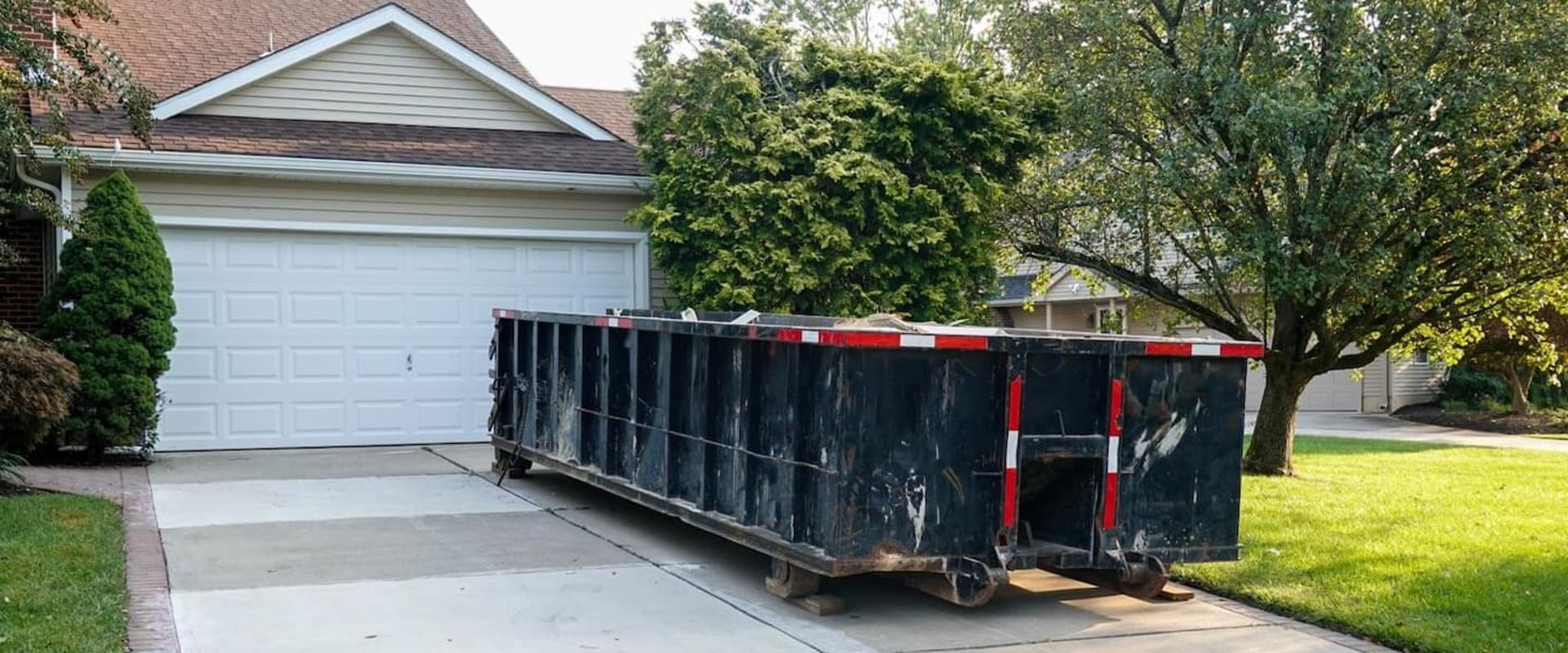
serves as a vital resource for homeowners, contractors, and businesses alike, providing a convenient way to dispose of large volumes of waste generated during various projects. Whether you are embarking on a home renovation, clearing out an office space, or managing debris from a construction site, understanding the ins and outs of dumpster rental can significantly streamline your efforts.At its core, dumpster rental involves leasing a large container designed to hold waste materials. These containers come in various sizes, accommodating different project scales and types of waste.The importance of dumpster rental cannot be overstated; it not only helps maintain cleanliness and organization on job sites but also ensures compliance with local waste disposal regulations. By utilizing a dumpster rental service, you can avoid the hassle of multiple trips to the landfill and focus on what truly matters—completing your project efficiently.Moreover, dumpster rental services in Chicago offer flexibility and convenience that can cater to both short-term and long-term needs. Many companies provide same-day delivery options, allowing you to get started on your project without delay. As you navigate through the process of selecting the right dumpster for your needs, it’s essential to consider factors such as size, type of waste, and duration of rental.
This comprehensive understanding will not only help you make informed decisions but also enable you to budget effectively for your project.
Factors Influencing Dumpster Rental Costs
When considering dumpster rental costs, several key factors come into play that can significantly influence the overall price. Understanding these elements is essential for anyone looking to rent a dumpster in Chicago, as they can help you budget effectively and avoid unexpected expenses.1.Size of the Dumpster
The size of the dumpster is one of the most significant determinants of rental costs. Dumpsters typically range from 10 to 40 yards in capacity. For smaller projects, such as home cleanouts or minor renovations, a 10-yard dumpster may suffice, while larger construction jobs may require a 30-yard or 40-yard dumpster.The larger the dumpster, the higher the rental fee, so it’s crucial to choose a size that aligns with your project needs without overpaying for excess capacity.
2.Type of Waste
The nature of the waste being disposed of also affects rental costs. Different types of materials have varying disposal requirements and fees associated with them. For instance:- Construction debris: Often heavier and may incur additional charges.
- Household waste: Generally less expensive to dispose of.
- Hazardous materials: Require special handling and permits, leading to higher costs.
3.Duration of Rental
The length of time you need the dumpster will also impact the cost. Most companies offer daily or weekly rates, and extending your rental period can lead to additional fees.If you anticipate needing the dumpster for an extended period, it’s wise to discuss this upfront with your rental company to understand how it will affect your total cost.
4.Local Regulations
Chicago has specific regulations regarding waste disposal that can influence rental prices. Some neighborhoods may require permits for placing a dumpster on public property, which can add to your overall expenses. Additionally, local landfill rates can vary, affecting how much companies charge for disposal services. Always check with your rental provider about any local regulations that may apply to your project.By understanding these factors—size, type of waste, duration of rental, and local regulations—you can make informed decisions when renting a dumpster in Chicago.This knowledge not only helps you choose the right service but also ensures that you stay within your budget while effectively managing your waste disposal needs.
Different Sizes of Dumpsters and Their Costs
When it comes to dumpster rental in Chicago, understanding the various sizes available and their corresponding costs is essential for making an informed decision. Each project has unique requirements, and selecting the right dumpster size can significantly impact both your budget and the efficiency of your waste disposal process.Here’s a breakdown of the most common dumpster sizes you’ll encounter:- 10-Yard Dumpster: Ideal for small cleanouts, landscaping projects, or minor renovations. This size can hold approximately 3 pickup truck loads of debris. Rental prices typically start around $295.
- 20-Yard Dumpster: A popular choice for medium-sized projects such as kitchen remodels or large garage cleanouts.
It accommodates about 6 pickup truck loads. Expect to pay around $395 for this size.
- 30-Yard Dumpster: Suitable for larger construction jobs or significant home renovations, this dumpster can handle roughly 9 pickup truck loads. The rental cost usually hovers around $495.
- 40-Yard Dumpster: The largest option available, perfect for major construction sites or large-scale cleanouts. It can hold about 12 pickup truck loads and typically costs around $595.
- Project Type: Assess the nature of your project.
Are you clearing out a single room or undertaking a full renovation? This will help determine the volume of waste you’ll generate.
- Waste Type: Different materials may require different handling. For instance, heavy materials like concrete may necessitate a smaller dumpster to avoid overloading.
- Duration of Rental: Longer rental periods can increase costs. If you anticipate needing the dumpster for an extended time, discuss options with your rental company to find a suitable plan.
Types of Waste and Their Impact on Rental Costs
When considering dumpster rental in Chicago, one of the most critical factors that can influence your overall costs is the type of waste you plan to dispose of.Different categories of waste not only require different handling and disposal methods but can also incur varying fees based on local regulations and landfill requirements.
Common Types of Waste
- Construction Debris: This includes materials such as concrete, wood, metal, and drywall. Construction debris is typically heavier and may require a larger dumpster. Rental companies often charge more for these types of waste due to the higher disposal fees at landfills.
- Household Junk: Items like old furniture, appliances, and general clutter fall into this category. While these items are generally easier to dispose of, the volume can still affect rental costs.
A larger dumpster may be necessary if you have a significant amount of household junk.
- Yard Waste: Grass clippings, branches, and leaves are considered yard waste. Many rental companies offer specific dumpsters for organic materials, which can sometimes be rented at a lower cost due to their easier disposal methods.
- Hazardous Materials: Items such as paint, chemicals, batteries, and electronic waste require special handling and disposal procedures. Not all dumpster rental companies will accept hazardous materials, and those that do may charge significantly higher fees due to the additional safety measures required.
For instance, if you plan to dispose of hazardous materials, you may need to obtain special permits or use a specific disposal service that specializes in hazardous waste.Moreover, failing to communicate the type of waste accurately to your rental company can lead to unexpected costs. If a dumpster is filled with prohibited items or exceeds weight limits due to heavy materials like concrete or metal, additional fees may apply. Therefore, it’s crucial to have an open dialogue with your dumpster rental provider about what you intend to dispose of.In summary, the type of waste you are disposing of plays a significant role in determining your dumpster rental costs in Chicago. By understanding these categories and communicating effectively with your rental company, you can avoid surprises and ensure a smooth disposal process.
Local Regulations and Their Effect on Dumpster Rental Prices
When considering dumpster rental in Chicago, it is crucial to understand the local regulations that can significantly influence the overall cost.The city has established specific guidelines and requirements that must be adhered to, which can affect both the rental price and the logistics of your project.One of the primary factors impacting dumpster rental costs in Chicago is the need for permits. Depending on where you plan to place the dumpster—whether on a public street, sidewalk, or private property—you may be required to obtain a permit from the city. This is particularly important for dumpsters placed on public property, as it ensures compliance with local laws and helps maintain public safety.
Understanding Permit Requirements
To secure a permit for your dumpster rental, you typically need to provide details such as:- The location where the dumpster will be placed
- The size of the dumpster
- The duration of the rental period
- A description of the type of waste being disposed of
Local Laws Affecting Dumpster Costs
In addition to permit requirements, various local laws can influence dumpster rental prices.For instance, Chicago has specific regulations regarding:
- Weight Limits: Each dumpster size has a maximum weight limit. Exceeding this limit can result in extra charges.
- Type of Waste: Certain materials may require special handling or disposal methods, which can increase costs.
- Duration of Rental: Longer rental periods may incur additional fees, especially if they exceed standard time frames set by local regulations.
Comparing Dumpster Rental Companies in Chicago
When it comes to dumpster rental in Chicago, choosing the right company can significantly impact your project’s efficiency and cost-effectiveness. With numerous options available, it’s essential to compare various dumpster rental services based on several key factors.Pricing Structures
One of the first aspects to consider is the pricing structure of each company.While some companies may advertise low base rates, hidden fees can quickly inflate the total cost. Look for companies that provide transparent pricing, including:
- Base rental fee
- Weight limits and overage charges
- Delivery and pickup fees
- Additional costs for specific types of waste
Services Offered
Different dumpster rental companies may offer varying sizes and types of dumpsters. Consider what you need for your project:- Residential vs. Commercial: Some companies specialize in residential rentals, while others focus on commercial projects.
- Variety of Sizes: Ensure the company has a range of dumpster sizes to accommodate your specific needs.
- Special Services: Look for additional services such as same-day delivery, flexible rental periods, or recycling options.
Customer Reviews and Reputation
Customer reviews are invaluable when comparing dumpster rental companies.Check online platforms like Google Reviews, Yelp, or Angie's List to gauge customer satisfaction. Pay attention to:
- Reliability: Are deliveries made on time? Do pickups occur as scheduled?
- Customer Service: How responsive is the company to inquiries or issues?
- Overall Experience: What do customers say about their overall experience with the service?
Local Knowledge and Compliance
Selecting a dumpster rental service that understands local regulations can save you time and hassle. Companies familiar with Chicago’s waste disposal laws can help ensure compliance, avoiding potential fines or delays.By carefully comparing these factors—pricing, services offered, customer reviews, and local knowledge—you can make an informed decision when selecting a dumpster rental company in Chicago that meets your needs effectively.Cost Breakdown: What to Expect When Renting a Dumpster
When considering a dumpster rental in Chicago, understanding the cost breakdown is essential to avoid unexpected expenses. The total cost of renting a dumpster can be influenced by several factors, and being aware of these can help you budget more effectively.Base Rental Fee
- The base rental fee typically covers the initial cost of the dumpster for a specified period, usually ranging from 7 to 14 days.
This fee can vary based on the size of the dumpster you choose.
- For example, a 10-yard dumpster may start at around $295, while larger options like a 30-yard dumpster could be priced at $495 or more.
Weight Limit Charges
- Most dumpster rentals come with a weight limit, often between 2 to 4 tons. If your waste exceeds this limit, you may incur additional charges.
- These overage fees can add up quickly, so it’s crucial to estimate the weight of your debris accurately before renting.
Type of Waste
- The type of waste you plan to dispose of can also affect your rental cost. Certain materials, such as hazardous waste or electronics, may require special handling and incur extra fees.
- Discussing the nature of your waste with your rental company upfront can help clarify any potential additional costs.
Delivery and Pickup Fees
- While many companies include delivery and pickup in their base fee, some may charge extra for these services, especially if your location is difficult to access.
- If you need the dumpster placed on a public street or sidewalk, you might also need to obtain a permit from the city, which can add to your overall costs.
Hidden Fees
- Be cautious of hidden fees that may not be immediately apparent. These can include charges for late returns, additional rental days beyond the agreed period, or even administrative fees.
- Always read the fine print in your rental agreement and ask questions about any unclear terms to ensure you understand all potential costs involved.
Always communicate openly with your rental provider to clarify any uncertainties regarding pricing and services offered.
Tips for Saving Money on Dumpster Rentals
When it comes to dumpster rental, managing costs effectively can make a significant difference in your overall project budget. Here are some practical tips to help you save money while ensuring you get the right service for your needs.- Choose the Right Size: One of the most effective ways to save on dumpster rental costs is to select the appropriate size for your project. Renting a dumpster that is too large can lead to unnecessary expenses. Assess your waste volume carefully and consult with the rental company to determine the best size.
For smaller projects, a 10-yard dumpster may suffice, while larger renovations might require a 20-yard or 30-yard option.
- Timing is Key: If your schedule allows, consider renting a dumpster during off-peak seasons. Demand for dumpster rentals can fluctuate based on the time of year, with spring and summer often being busier due to home improvement projects. Renting during the fall or winter may yield lower rates.
- Negotiate Rates: Don’t hesitate to discuss pricing with your dumpster rental company. Many companies are willing to negotiate, especially if you’re renting for an extended period or ordering multiple dumpsters.
Ask about any available discounts or promotions that could apply to your rental.
- Plan Your Rental Duration: Be mindful of how long you need the dumpster. Rental companies typically charge by the day, so planning your project timeline efficiently can help minimize costs. If you anticipate needing the dumpster for an extended period, inquire about weekly or monthly rates, which may be more economical.
- Avoid Overloading: Each dumpster has a weight limit, and exceeding this limit can result in additional fees. Be sure to understand these limits and plan accordingly.
If you have heavy materials, such as concrete or dirt, consider renting a specialized dumpster designed for heavy loads.
- Sort Your Waste: Separating recyclable materials from general waste can not only help reduce landfill fees but may also qualify you for discounts with some rental companies. Check local recycling guidelines and ensure you’re disposing of materials correctly.
Frequently Asked Questions About Dumpster Rentals in Chicago
When considering a dumpster rental in Chicago, potential renters often have numerous questions. Here, we address some of the most frequently asked questions to help you navigate the process with ease.What sizes of dumpsters are available for rent?
Dumpsters come in various sizes to accommodate different project needs.Common sizes include:
- 10-yard: Ideal for small cleanouts or minor renovations.
- 20-yard: Suitable for medium-sized projects like kitchen remodels or larger cleanouts.
- 30-yard: Best for significant renovations or construction sites.
- 40-yard: Often used for large commercial projects or major construction jobs.
How much does it cost to rent a dumpster in Chicago?
The cost of renting a dumpster can vary based on several factors, including size, type of waste, and rental duration. On average, you can expect to pay:- $295 for a 10-yard dumpster
- $395 for a 20-yard dumpster
- $495 for a 30-yard dumpster
What types of waste can I dispose of in a dumpster?
You can typically dispose of household debris, construction materials, and yard waste. However, hazardous materials such as chemicals, batteries, and electronics are prohibited. Always check with your rental company for specific guidelines regarding acceptable waste.How long can I keep the dumpster?
The rental period usually ranges from a few days to several weeks.Most companies offer flexible rental terms, but extending your rental period may incur additional fees. It’s advisable to discuss your project timeline with the rental company to determine the best option.
Do I need a permit to place a dumpster on the street?
If you plan to place the dumpster on public property, such as a street or sidewalk, you will likely need a permit from the city. Check with local regulations and your rental company to ensure compliance and avoid fines.By addressing these common queries, we hope to make your dumpster rental experience in Chicago as smooth as possible. If you have further questions or need assistance, don’t hesitate to reach out to your local rental provider for personalized guidance.Conclusion: Making Informed Decisions About Dumpster Rentals
In conclusion, navigating the world of dumpster rental in Chicago requires a clear understanding of the various factors that influence costs.As we have explored throughout this guide, the size of the dumpster, the type of waste being disposed of, and the duration of the rental are all critical elements that can significantly impact your overall expenses.It is essential to assess your specific needs before making a decision. For instance, if you are undertaking a small home project, a 10-yard dumpster may suffice, while larger renovations or construction jobs might necessitate a 20-yard or 30-yard dumpster. Understanding these requirements will not only help you choose the right size but also avoid unnecessary costs associated with overestimating your needs.Additionally, being aware of local regulations and disposal fees can save you from unexpected charges. Each municipality in Chicago may have different rules regarding waste disposal, which can affect rental prices.
Therefore, it is advisable to consult with your chosen dumpster rental company about any permits or restrictions that may apply to your project.Moreover, consider the total duration for which you will need the dumpster. Rental companies often charge on a daily or weekly basis, and extending your rental period can lead to increased costs. Planning your project timeline effectively can help mitigate these expenses.Finally, always seek quotes from multiple providers to ensure you are getting a competitive rate. Many companies offer transparent pricing structures and will provide detailed breakdowns of their fees.
This practice not only helps you find the best deal but also allows you to compare services and choose a reputable provider that meets your needs.By taking these factors into account and conducting thorough research, you can make informed decisions about dumpster rentals. This will ultimately lead to a smoother project experience and help you stay within budget while effectively managing waste disposal in Chicago.