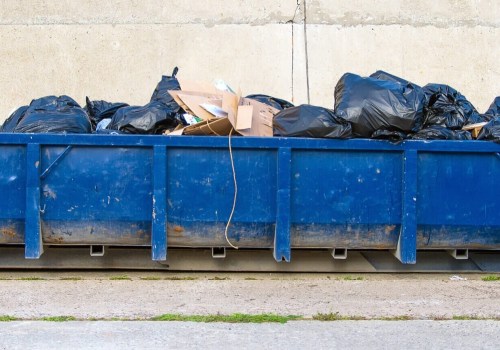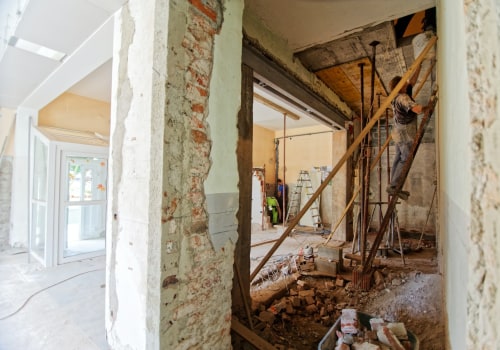
When it comes to managing waste, especially in construction and renovation projects, dumpster rental services play a crucial role. These services provide an efficient solution for disposing of large volumes of debris, ensuring that job sites remain safe and organized. Understanding the total volume that different dumpster sizes can hold is essential for selecting the right option. Whether you are tackling a home renovation, a commercial construction project, or simply decluttering your space, understanding the ins and outs of dumpster rentals can significantly streamline the process.One of the first steps in utilizing a dumpster rental service is selecting the appropriate size for your needs. services play a crucial role. These services provide an efficient solution for disposing of large volumes of debris, ensuring that job sites remain safe and organized. Understanding the total volume that different dumpster sizes can hold is essential for selecting the right option. Whether you are tackling a home renovation, a commercial construction project, or simply decluttering your space, understanding the ins and outs of dumpster rentals can significantly streamline the process.One of the first steps in utilizing a dumpster rental service is selecting the appropriate size for your needs.
Dumpsters come in various sizes, typically ranging from 10 to 40 yards, allowing you to choose one that best fits the scope of your project. For instance, a 20 yard dumpster is often ideal for medium-sized jobs, such as remodeling a kitchen or disposing of concrete from a small patio. Knowing the right size not only helps in managing costs but also ensures that you have enough capacity to handle all your waste without overloading the container.Moreover, understanding the types of materials you plan to dispose of is essential. Different materials have varying weights and disposal regulations.
For example, concrete is significantly heavier than typical household waste, which can affect both the choice of dumpster size and the overall cost of rental. Many dumpster rental companies have specific guidelines regarding what can and cannot be disposed of in their containers, so being informed about these restrictions can save you from unexpected fees or complications.In summary, dumpster rentals are an invaluable resource for effective waste management in construction and renovation projects. By grasping the importance of selecting the right size and understanding disposal regulations, you can ensure a smoother process from start to finish. This foundational knowledge sets the stage for more detailed discussions on estimating the weight of a 20 yard dumpster filled with concrete and other related topics.
What is a 20 Yard Dumpster?
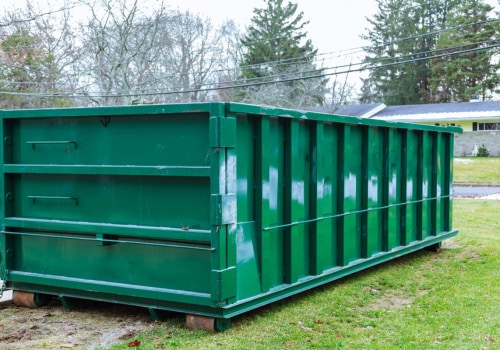
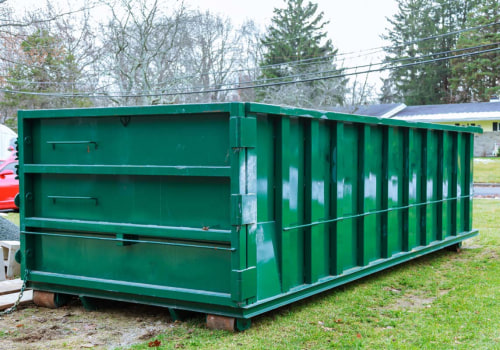
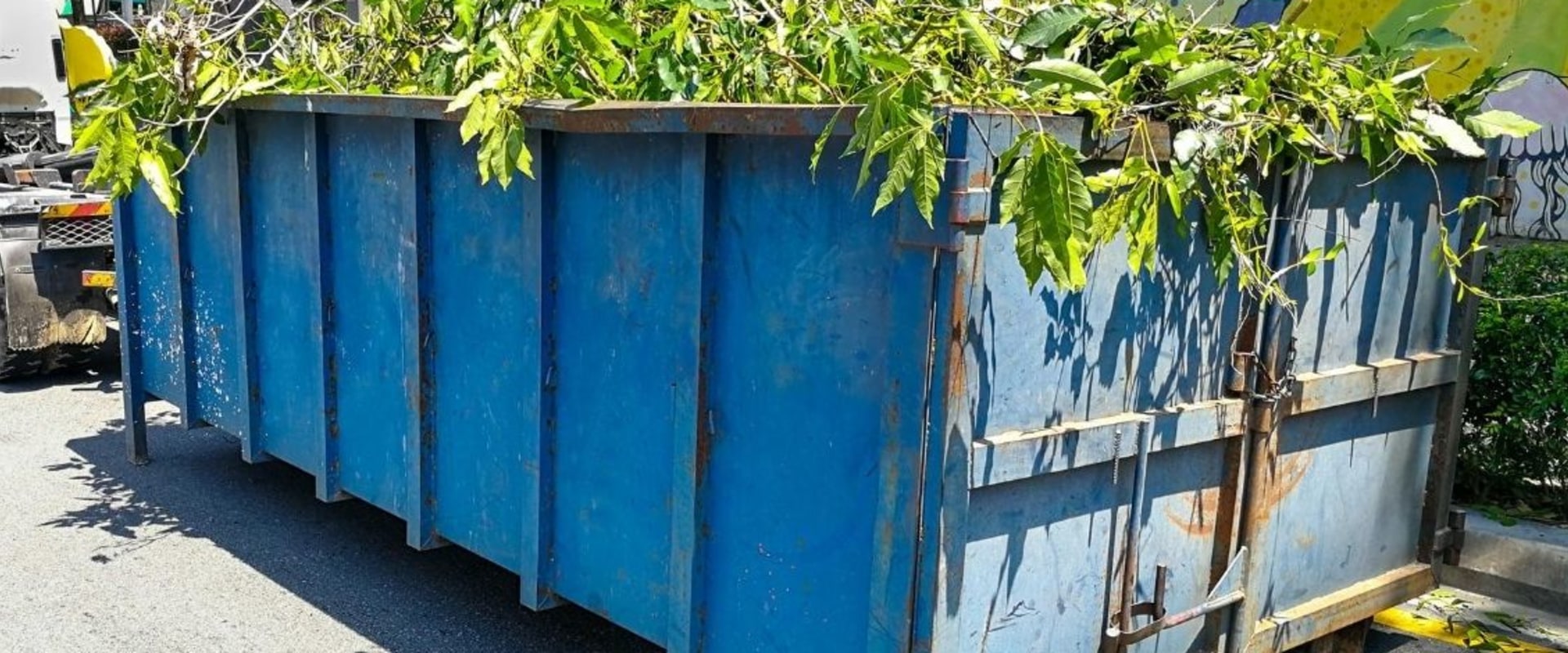
A 20 yard dumpster is a popular choice for various construction, renovation, and cleanup projects due to its ample capacity and manageable size.Understanding the dimensions and capacity of a 20 yard dumpster is essential for determining whether it meets your project needs.
Dimensions of a 20 Yard Dumpster
- Length: Approximately 22 feet
- Width: About 8 feet
- Height: Roughly 4.5 feet
Capacity of a 20 Yard Dumpster
The capacity of a 20 yard dumpster is approximately 20 cubic yards, which translates to about 10 pickup truck loads of waste. This makes it an ideal option for:
- Medium-sized home renovation projects, such as kitchen or bathroom remodels
- Roofing projects that require the disposal of old shingles and materials
- Landscaping jobs that involve removing large amounts of soil, plants, or debris
- Construction sites needing to dispose of concrete, bricks, or other heavy materials
Suitability for Various Projects
The versatility of a 20 yard dumpster makes it suitable for both residential and commercial projects.
Whether you are clearing out your garage, renovating your home, or managing waste at a construction site, this size offers a balance between capacity and ease of use. Additionally, its dimensions allow for placement in driveways or on streets with minimal disruption.In summary, understanding the dimensions and capacity of a 20 yard dumpster is vital for effective waste management in your projects. By choosing the right size, you can ensure that you have enough space for your debris while avoiding unnecessary costs associated with overloading or multiple trips to the landfill.
Weight of Concrete: Key Facts
Understanding the weight of concrete is essential for anyone involved in construction, demolition, or renovation projects. Concrete is a widely used material due to its strength and durability, but its weight can significantly impact logistics, especially when renting a dumpster for disposal.The density of concrete typically ranges from 140 to 150 pounds per cubic foot , which translates to approximately 3,800 to 4,050 pounds per cubic yard.This variation in weight is influenced by several factors, including the type of aggregates used, the water-cement ratio, and any additives incorporated into the mix.
Factors Influencing Concrete Weight
- Type of Aggregates: The choice of aggregates—such as gravel, sand, or crushed stone—can affect the overall density of the concrete. For instance, lightweight aggregates can reduce the weight of the final product.
- Water-Cement Ratio: A higher water content in the mix can lead to a lighter concrete, while a lower ratio typically results in denser concrete. This balance is crucial for achieving desired strength and workability.
- Additives: Incorporating additives like fly ash or silica fume can modify the density and weight of concrete. These materials can enhance performance but may also alter weight characteristics.
For example, if you are using standard concrete with a density of about 4,000 pounds per cubic yard, a 20 yard dumpster filled to capacity would weigh approximately 80,000 pounds. However, if you use lightweight concrete or include other materials in your mix, this weight could vary significantly.Additionally, understanding how different types of concrete affect weight can help you make informed decisions when renting a dumpster. For instance:
- Standard Concrete: As mentioned earlier, weighs around 4,000 pounds per cubic yard.
- Lightweight Concrete: Can weigh between 2,500 to 3,500 pounds per cubic yard depending on the aggregates used.
- High-Strength Concrete: May exceed 4,500 pounds per cubic yard due to its dense composition.
Calculating the Weight of a 20 Yard Dumpster Full of Concrete
Estimating the weight of a 20 yard dumpster filled with concrete involves a straightforward calculation based on the volume of concrete and its density.To accurately determine the weight, you can follow these steps:
- Understand the Volume: A 20 yard dumpster has a capacity of 20 cubic yards. This means it can hold 20 cubic yards of material, which is essential for our calculations.
- Know the Weight of Concrete: On average, concrete weighs about 4,050 pounds per cubic yard. This figure can vary slightly depending on the specific mix and moisture content, but it serves as a reliable baseline for calculations.
- Calculate the Total Weight: To find the total weight of a full 20 yard dumpster filled with concrete, multiply the volume by the weight per cubic yard. The formula looks like this:
If you are mixing other materials or if the dumpster is not filled to capacity, adjustments will need to be made. For example, if you only fill half of the dumpster with concrete and use the remaining space for lighter materials, you would need to recalculate based on the actual volume of concrete used.Additionally, when estimating weight for disposal purposes, consider any local regulations or restrictions regarding weight limits for dumpsters. Exceeding these limits can result in additional fees or complications during pickup.By following these steps and using this formula, you can effectively estimate the weight of a 20 yard dumpster filled with concrete, ensuring that you are well-prepared for your project and any associated disposal costs.
Factors Influencing Dumpster Weight
When estimating the weight of a dumpster filled with concrete, several factors come into play that can significantly influence the overall weight. Understanding these factors is crucial for accurate planning and avoiding potential issues during disposal.Type of Concrete
The type of concrete used is one of the primary factors affecting the weight of a dumpster.Different types of concrete have varying densities, which can lead to significant differences in weight. For instance:
- Standard Concrete: This is the most common type, typically weighing around 4,050 pounds per cubic yard.
- Lightweight Concrete: Made with lighter aggregates, this type weighs approximately 3,600 pounds per cubic yard, making it a suitable option for projects where weight is a concern.
- High-Strength Concrete: Often used in construction requiring durability, this type can weigh up to 4,500 pounds per cubic yard due to its denser composition.
Additional Materials Mixed In
Another significant factor is the presence of mixed materials within the dumpster. If you are combining concrete with other debris, such as:- Bricks or Masonry: These materials can add considerable weight, as bricks weigh about 3,000 pounds per cubic yard.
- Soil or Dirt: If soil is mixed with concrete, it can increase the total weight significantly since soil weighs around 2,000 to 2,500 pounds per cubic yard.
- Metal Reinforcements: If your concrete includes rebar or other metal reinforcements, this will also contribute to the overall weight.
Volume and Fill Level
The volume of concrete in the dumpster and how full it is can also impact the total weight. A partially filled dumpster will weigh less than a completely filled one.Therefore, if you plan to mix concrete with lighter materials or only partially fill the dumpster, it’s essential to consider how this will affect your overall weight estimate.In summary, when estimating the weight of a 20-yard dumpster filled with concrete, consider the type of concrete used, any additional materials mixed in, and how full the dumpster is. By taking these factors into account, you can make more informed decisions regarding your waste disposal needs and avoid unexpected challenges during your project.
Choosing the Right Dumpster Size for Your Project
When embarking on a construction, renovation, or cleanup project, one of the most critical decisions you will face is selecting the right dumpster size. Choosing the appropriate dumpster not only ensures efficient waste disposal but also helps you avoid unnecessary costs and complications. A 20 yard dumpster is a popular choice for many projects, but it may not always be the best fit for your specific needs.To determine whether a 20 yard dumpster is suitable for your project, consider the following factors:- Type of Project: The nature of your project significantly influences the amount and type of waste generated.
For instance, a home renovation may produce bulky items like cabinets and drywall, while a landscaping project might generate lighter materials such as soil and branches.
- Volume of Waste: A 20 yard dumpster can hold approximately 10 pickup truck loads of debris. If you anticipate generating more waste than this, you may need to consider a larger size, such as a 30 or 40 yard dumpster.
- Weight of Materials: Different materials have varying weights. For example, concrete is much heavier than wood or yard waste. If your project involves heavy materials, it’s essential to account for weight limits to avoid overloading the dumpster.
- Duration of Project: The length of time you will need the dumpster can also affect your choice.
If your project spans several weeks and involves continuous waste generation, a larger dumpster may be more practical.
- Small Projects (1-2 rooms): A 10 yard dumpster may suffice for smaller renovations or cleanouts.
- Medium Projects (3-4 rooms): A 20 yard dumpster is typically ideal for medium-sized renovations or significant cleanouts.
- Larger Projects (whole home renovations or major construction): Consider a 30 or 40 yard dumpster to accommodate the increased volume and weight of debris.
Cost Considerations for Renting a Dumpster
When planning a construction or renovation project, understanding the cost considerations associated with renting a dumpster is crucial, especially when dealing with heavy materials like concrete. The costs can vary significantly based on several factors, and being informed can help you avoid unexpected expenses.Base Rental Costs
The initial cost of renting a dumpster typically includes a base fee that covers the rental period, usually ranging from 7 to 14 days. This fee can vary depending on the size of the dumpster and the rental company.
For a 20 yard dumpster, you might expect to pay anywhere from $300 to $600, depending on your location and the service provider.
Weight Limits and Additional Fees
Most dumpster rentals come with a weight limit, often around 2 tons (4,000 pounds) for a 20 yard container. When you fill your dumpster with heavy materials like concrete, it’s essential to be aware of these limits. Exceeding the weight limit can result in additional fees, which can range from $50 to $100 per ton over the limit. Therefore, estimating the weight of your concrete accurately is vital to avoid these extra charges.
Factors Influencing Costs
- Location: Rental prices can vary significantly based on geographic location.
Urban areas may have higher rates due to demand.
- Type of Material: Certain materials may incur additional disposal fees. Concrete is often heavier and may require special handling.
- Rental Duration: If your project takes longer than expected, extending your rental period may lead to additional daily fees.
- Permits: Depending on where you place the dumpster, you may need a permit from your local government, which can add to your overall costs.
Avoiding Additional Costs
To minimize costs when renting a dumpster for concrete disposal, consider the following tips:
- Estimate Weight Accurately: Use our guidelines for estimating the weight of concrete to ensure you stay within limits.
- Choose the Right Size: If you anticipate needing more space, opt for a larger dumpster upfront to avoid multiple trips or overage fees.
- Plan Your Project: Organize your debris removal efficiently to avoid extending your rental period unnecessarily.
Prohibited Items in Dumpsters: What You Need to Know
When renting a dumpster for your project, it’s crucial to understand the prohibited items that cannot be disposed of in these containers. Not only can improper disposal lead to fines, but it can also create safety hazards and complicate the waste management process.Below, we outline the most common categories of items that are typically prohibited from being placed in dumpsters.
Hazardous Waste
One of the most critical categories of prohibited items is hazardous waste. This includes materials that can pose a risk to human health or the environment. Common examples include:- Paints and solvents: These substances often contain toxic chemicals that require special handling.
- Batteries: Car batteries and rechargeable batteries contain heavy metals and acids that can leak into the ground.
- Pesticides and herbicides: These chemicals can be harmful to both people and wildlife.
- Asbestos: A known carcinogen, asbestos must be disposed of according to strict regulations.
- Medical waste: Items such as syringes, bandages, and other medical supplies should be handled by specialized services.
Electronics
Another category often overlooked is electronic waste, or e-waste. Items like televisions, computers, and printers contain components that can be harmful if not disposed of properly.Many areas have specific e-waste recycling programs to handle these items safely.
Appliances
Certain appliances are also prohibited due to their potential environmental impact. For instance:- Refrigerators and freezers: These often contain refrigerants that are harmful to the ozone layer.
- A/C units: Similar to refrigerators, air conditioning units require special disposal methods.
- Washers and dryers: While they may seem harmless, they can contain hazardous materials as well.
Construction Debris
While many construction materials are acceptable in dumpsters, certain items are not. For example:- Cement and concrete: Some companies may have restrictions on how much concrete can be placed in a dumpster due to weight limits.
- Treated wood: Wood treated with chemicals can leach harmful substances into the soil.
If you’re unsure about a particular item, it’s always best to ask your dumpster rental provider for guidance.
Frequently Asked Questions (FAQs)
When it comes to dumpster rental, many customers have questions regarding the weight of their loads, especially when dealing with heavy materials like concrete. Below are some frequently asked questions that can help clarify common concerns.What is the weight limit for a 20 yard dumpster?
A standard 20 yard dumpster typically has a weight limit of around 10 to 12 tons (20,000 to 24,000 pounds). However, this can vary based on the rental company and local regulations. It’s crucial to check with your provider to understand their specific weight limits and any associated fees for exceeding them.How do I estimate the weight of concrete in my dumpster?
To estimate the weight of concrete in a dumpster, you can use the average weight of concrete, which is approximately 4,050 pounds per cubic yard.Since a 20 yard dumpster can hold about 20 cubic yards of material, if filled entirely with concrete, it would weigh around 81,000 pounds. However, most projects will not fill the dumpster to capacity with concrete alone.
Are there additional fees for heavy loads?
Yes, many dumpster rental companies impose additional fees for loads that exceed the standard weight limit. These fees can vary significantly based on your location and the rental service provider. Always inquire about potential overage charges when renting your dumpster.Can I mix different types of debris in my dumpster?
While it is often permissible to mix different types of debris in a dumpster, it’s essential to be aware that mixing heavy materials like concrete with lighter materials can affect the overall weight and may lead to additional charges.Always consult with your rental company about their policies regarding mixed loads.
What should I do if my dumpster is too heavy to move?
If you find that your dumpster is too heavy for removal, contact your rental company immediately. They may suggest options such as removing some of the contents or providing specialized equipment to assist with the removal process.By understanding these common questions and answers related to estimating weight and dumpster rentals, you can better prepare for your project and avoid unexpected costs or complications.Conclusion: Key Takeaways on Estimating Dumpster Weight
Estimating the weight of a 20 yard dumpster filled with concrete is a crucial step in planning your construction or renovation project. Understanding the various factors that influence this weight can help you avoid unexpected costs and ensure a smooth waste disposal process.Here are the key takeaways to consider:- Concrete Weight Basics: A cubic yard of concrete typically weighs around 4,050 pounds. Therefore, a full 20 yard dumpster can weigh approximately 12 tons when filled entirely with concrete.
This significant weight should be factored into your planning.
- Variability in Weight: The actual weight of your dumpster may vary based on the type of concrete used, its moisture content, and any additional materials mixed in. For instance, if you include debris like bricks or asphalt, the overall weight will change.
- Partial Loads: If your dumpster is not filled to capacity with concrete, it’s essential to consider what other materials you are adding. Mixing lighter materials with heavy concrete can lead to an inaccurate weight estimate.
- Consulting Professionals: If you’re unsure about estimating the weight of your dumpster, don’t hesitate to reach out to waste disposal professionals. They can provide valuable insights and help you choose the right dumpster size for your needs.
- Cost Implications: Be aware that exceeding weight limits can result in additional fees from your dumpster rental service.
Understanding the potential costs associated with heavy loads will help you budget more effectively.
- Prohibited Items: Familiarize yourself with items that cannot be disposed of in a dumpster. Certain hazardous materials may incur extra charges or require special handling, so it’s best to check with your rental provider.