When embarking on a construction or renovation project, one of the most critical aspects to consider is waste management, particularly when it comes to disposing of heavy materials like concrete.
Dumpster rental
services provide an efficient solution for managing debris, but understanding the nuances of weight limitations is essential for a smooth process. Among the various sizes available, a 15 yard dumpster is a popular choice for medium-sized projects, offering ample space while still being manageable for homeowners and contractors alike.The weight of a 15 yard dumpster filled with concrete can be substantial, often reaching upwards of 60,000 pounds depending on the type and density of the concrete. This significant weight not only impacts the logistics of delivery and pickup but also plays a crucial role in determining the overall cost of your rental.Many people underestimate how quickly the weight can add up when dealing with concrete, which is why it’s vital to have a clear understanding of what you’re working with before making arrangements.Moreover, proper planning is key to avoiding unexpected challenges during your project. Factors such as the specific type of concrete being disposed of, any additional materials included in the dumpster, and local regulations regarding weight limits can all influence your experience. By familiarizing yourself with these considerations ahead of time, you can ensure that your concrete disposal process is as efficient and cost-effective as possible.In this article, we will delve deeper into the specifics of renting a 15 yard dumpster for concrete disposal, exploring everything from weight calculations to tips for selecting the right dumpster size for your needs. Whether you’re a seasoned contractor or a DIY enthusiast, understanding these elements will empower you to make informed decisions throughout your project.
What is a 15 Yard Dumpster?
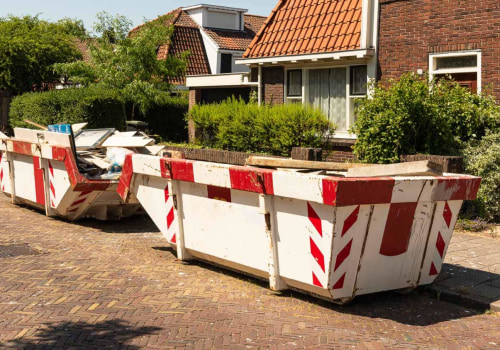
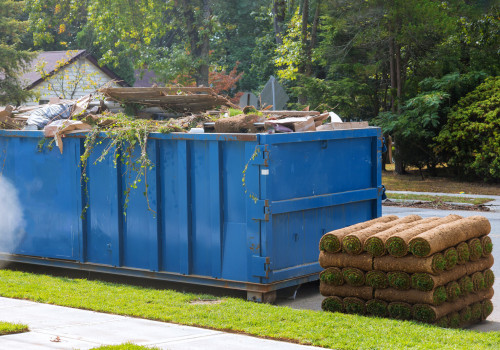
A 15 yard dumpster is a popular choice for various construction, renovation, and cleanup projects due to its manageable size and capacity.Understanding the dimensions and volume of this dumpster type is essential for effectively planning your waste disposal needs, especially when dealing with heavy materials like concrete.Typically, a 15 yard dumpster measures approximately 14 feet long , 7.5 feet wide , and 4.5 feet high. These dimensions allow it to fit comfortably in most residential driveways or construction sites while providing ample space for debris. The height of the dumpster is particularly important; it allows for easy loading without requiring excessive lifting, which can be beneficial when handling heavy materials.In terms of capacity, a 15 yard dumpster can hold about 15 cubic yards of waste. To put this into perspective, this is equivalent to:
- Approximately 60-90 33-gallon trash bags
- A full load of 3-4 tons of concrete
- About 1.5 pickup truck loads of debris
- Home renovations: Whether you're remodeling a kitchen or bathroom, a 15 yard dumpster can accommodate the debris generated from tearing out old fixtures and materials.
- Landscaping projects: If you're removing sod, soil, or other landscaping materials, this dumpster size can handle the volume without overwhelming your space.
- Concrete removal: As discussed earlier, if you're disposing of concrete from sidewalks, patios, or driveways, a 15 yard dumpster provides sufficient capacity while remaining manageable.
A typical 15 yard dumpster can hold around 2-3 tons , depending on the material being disposed of. Exceeding this limit may result in additional fees or complications during pickup.In summary, a 15 yard dumpster is an excellent choice for various projects due to its convenient dimensions and substantial capacity. By understanding its size and volume, you can make informed decisions about your waste disposal needs and ensure that your project runs smoothly.
The Weight of Concrete: Key Factors to Consider
Understanding the weight of concrete is crucial when planning a project that involves disposing of this heavy material. The density of concrete can vary significantly based on its composition, which directly impacts the overall weight of a filled dumpster.Concrete Density
The density of standard concrete typically ranges from 2,400 to 2,500 kg/m³ (about 150 to 156 lb/ft³).
This means that a cubic yard of concrete weighs approximately 4,000 to 4,050 pounds. However, this is just a baseline figure. The actual weight can fluctuate based on several factors:
- Type of Concrete: Different types of concrete mixtures can have varying densities. For instance, lightweight concrete, often used for insulation or specific construction applications, can weigh as little as 1,600 kg/m³ (100 lb/ft³), while heavyweight concrete, used for radiation shielding or other specialized purposes, can exceed 3,000 kg/m³ (187 lb/ft³).
- Additives and Aggregates: The materials mixed into the concrete also play a significant role in determining its weight.
For example, adding materials like gravel or sand increases density, while incorporating lighter aggregates can reduce it.
- Moisture Content: Freshly mixed concrete contains water, which adds to its weight. As the concrete cures and moisture evaporates, the weight may decrease slightly.
Factors Affecting Weight
When estimating the weight of a dumpster filled with concrete, consider these additional factors:
- Volume of Concrete: A 15 yard dumpster has a capacity of 15 cubic yards. Therefore, if filled entirely with standard concrete, it could weigh around 60,750 pounds. However, if you mix in other materials or do not fill it completely with concrete, the total weight will vary. A 15 yard dumpster has a capacity of 15 cubic yards. Therefore, if filled entirely with standard concrete, it could weigh around 60,750 pounds. However, if you mix in other materials or do not fill it completely with concrete, the total weight will vary.
- Compaction: How the concrete is loaded into the dumpster can also affect its weight.
If the concrete is compacted tightly during loading, it may weigh more than loosely packed material.
- Additional Debris: If you are disposing of other heavy materials alongside the concrete—such as bricks or tiles—the total weight will increase significantly.
Estimating the Weight of a Full 15 Yard Dumpster
When it comes to estimating the weight of a full 15 yard dumpster filled with concrete, understanding the volume and density of the material is crucial. The weight of concrete can vary based on its composition, but a standard estimate is approximately 4,050 pounds per cubic yard. This means that to calculate the total weight of a dumpster filled with concrete, you can use a straightforward formula.Weight Calculation Formula:
- Total Weight = Volume (in cubic yards) × Weight per Cubic Yard
- Total Weight = 15 cubic yards × 4,050 pounds/cubic yard
- Total Weight = 60,750 pounds
- Type of Concrete: Different mixes can have varying densities. For instance, lightweight concrete will weigh less than standard concrete.
- Moisture Content: If the concrete is wet or has absorbed water, it will weigh more than dry concrete.
- Additional Materials: If you are disposing of other heavy materials alongside the concrete, such as bricks or metal, this will increase the overall weight.
Overloading a dumpster can lead to additional fees or complications during pickup.For practical application, let’s consider an example: if you are planning to fill your 15 yard dumpster with a mix of standard concrete and some bricks, you might estimate the weight of the bricks separately and add that to your total. If the bricks weigh around 1,500 pounds, your total estimated weight would be:
- Total Estimated Weight = 60,750 pounds (concrete) + 1,500 pounds (bricks) = 62,250 pounds
Factors Influencing the Weight of Your Dumpster Load
When renting a dumpster, particularly one filled with concrete, it’s crucial to understand that the total weight of your load can be influenced by several factors beyond just the concrete itself. Here are some key elements to consider:- Type of Concrete: Different types of concrete have varying densities. For instance, lightweight concrete used in certain construction applications weighs less than standard concrete.
If you’re using specialized mixes, such as those containing aggregates or additives, this can significantly alter the overall weight.
- Mixed Debris: Often, a dumpster isn’t filled with just one type of material. If you’re disposing of mixed debris—such as wood, metal, or other construction materials—this can add considerable weight. Each material has its own density and weight per cubic yard, which can lead to unexpected increases in the total weight of your dumpster load.
- Additional Materials: If you plan to add other heavy materials to your dumpster alongside concrete, such as bricks, tiles, or even appliances, the cumulative weight can exceed the dumpster’s capacity. It’s essential to keep track of what you’re adding to avoid overloading the dumpster.
- Moisture Content: Concrete can absorb moisture from the environment or from rain.
If your concrete is wet when loaded into the dumpster, it will weigh significantly more than dry concrete. This added weight can lead to complications during transport and disposal.
- Filling Method: How you fill the dumpster also matters. If you pack materials tightly and efficiently, you may be able to fit more into the dumpster without exceeding weight limits. Conversely, if materials are loosely thrown in, you may not utilize the space effectively.
Overloading a dumpster can lead to additional fees or complications during pickup. Always consult with your dumpster rental provider about the specific materials you plan to dispose of and any potential weight implications.
Common Mistakes When Renting a Dumpster for Concrete Disposal
When it comes to dumpster rental for concrete disposal, many individuals and contractors make common mistakes that can lead to complications, additional costs, and frustration. Understanding these pitfalls can help ensure a smoother rental experience. Here are some of the most frequent errors to avoid:- Underestimating Weight Limits: One of the biggest mistakes is not considering the weight limit of the dumpster.
A 15 yard dumpster can hold a significant amount of concrete, but exceeding its weight capacity can result in hefty overage fees or even refusal of service. Always check the weight limits and calculate the estimated weight of your concrete before renting.
- Choosing the Wrong Size: Selecting a dumpster that is too small for your project can lead to multiple trips and increased costs. Conversely, renting a dumpster that is too large may also be unnecessary and wasteful. Assess your project needs carefully and consult with your rental provider to determine the appropriate size.
- Ignoring Local Regulations: Different municipalities have specific regulations regarding dumpster placement, permits, and disposal methods.
Failing to adhere to these rules can result in fines or delays. Always check with local authorities or your rental company to ensure compliance.
- Not Planning for Additional Debris: If you plan to dispose of other materials alongside concrete, such as metal or wood, be sure to account for their weight and volume. Mixing different types of debris can complicate disposal and may require a different type of dumpster.
- Neglecting to Ask About Prohibited Items: Many rental companies have restrictions on what can be placed in their dumpsters. Common prohibited items include hazardous materials, electronics, and certain types of construction debris.
Failing to inquire about these restrictions can lead to unexpected charges or complications during pickup.
- Not Considering Rental Duration: Underestimating how long you will need the dumpster can lead to rushed work or additional rental fees. Plan your project timeline realistically and discuss rental duration options with your provider.
Choosing the Right Dumpster Size for Your Project
When embarking on a project that involves waste disposal, selecting the right dumpster size is crucial for ensuring efficiency and cost-effectiveness. A dumpster that is too small can lead to overflows and additional trips, while one that is too large may incur unnecessary rental fees.Here are some key considerations to help you choose the appropriate dumpster size for your project.
Assessing Your Project Needs
Before you make a decision, take a moment to evaluate the scope of your project. Consider the following factors:- Type of Debris: Different materials have varying weights and volumes. For instance, concrete is significantly heavier than yard waste or household junk. Understanding the type of debris you will be disposing of can help you gauge the necessary dumpster size.
- Volume of Waste: Estimate how much waste you expect to generate.
If you're undertaking a major renovation or construction project, you may need a larger dumpster to accommodate all the debris.
- Project Duration: The length of your project can also influence your dumpster choice. Longer projects may require more frequent waste disposal, suggesting a larger size might be more practical.
Understanding Dumpster Sizes
Dumpsters come in various sizes, typically ranging from 10 to 40 yards. Here’s a brief overview of common sizes and their typical uses:- 10 Yard Dumpster: Ideal for small cleanouts or minor renovations, this size can hold about 2,000 to 3,000 pounds of debris.
- 15 Yard Dumpster: Suitable for medium-sized projects like basement cleanouts or small remodeling jobs, it can accommodate approximately 4,000 to 5,000 pounds.
- 20 Yard Dumpster: A popular choice for larger renovations or construction projects, this size holds around 6,000 to 8,000 pounds.
- 30 Yard Dumpster: Best for extensive renovations or large construction sites, it can handle about 10,000 to 12,000 pounds.
- 40 Yard Dumpster: This is the largest option available and is typically used for major construction projects or large-scale cleanouts, with a capacity of up to 15,000 pounds.
Avoiding Overweight Fees
One critical aspect of choosing the right dumpster size is avoiding overweight fees. Most rental companies impose weight limits on their dumpsters.If your load exceeds this limit, you may incur additional charges. To prevent this:
- Know Your Materials: Be aware of the weight of the materials you are disposing of. For example, concrete weighs significantly more than other types of debris.
- Pile Strategically: When loading your dumpster, distribute weight evenly and avoid overfilling it. This not only helps in adhering to weight limits but also ensures safe transportation.
By selecting the right size dumpster for your project, you can streamline your waste disposal process and avoid unexpected costs.
Helpful Resources for Concrete Removal Projects
When embarking on a concrete removal project, having access to the right resources can make all the difference in ensuring a smooth and efficient process. Below are some valuable resources that can assist you in navigating your concrete disposal needs.Comprehensive FAQs
Our Frequently Asked Questions (FAQs) section is designed to address common inquiries related to dumpster rentals and concrete removal. Here, you can find answers to questions such as:- What types of materials can be disposed of in a dumpster?
- How do I determine the right dumpster size for my project?
- What are the potential additional costs associated with heavy debris?
- Are there any prohibited items that cannot be placed in a dumpster?
Weight Guidelines for Various Debris
Understanding the weight of different materials is crucial when planning your concrete removal. We provide a detailed list of common types of debris along with their corresponding weights per cubic yard.This resource can help you estimate the total weight of your dumpster when filled with concrete or other materials, allowing you to make informed decisions about your rental.
Contact Us for Personalized Assistance
If you have specific questions or need further assistance, our team is here to help. You can reach out to us via:- Phone: Call us Monday through Friday from 8 a.m. to 5 p.m. for immediate support.
- Email: Use our contact form on the website to send us your inquiries at any time.
Whether you're a DIY enthusiast or a professional contractor, having access to reliable information and support will empower you to tackle your project with confidence.
Conclusion: Key Takeaways on Dumpster Rental and Concrete Weight Management
In summary, understanding the weight of a 15 yard dumpster filled with concrete is crucial for effective project planning and execution. As we have discussed, the estimated weight can reach approximately 60,750 pounds when fully loaded with concrete, but this figure can fluctuate based on various factors such as the type of concrete and additional materials included in the dumpster.Here are some key takeaways to consider when renting a dumpster for concrete disposal:- Know Your Materials: Different types of concrete can have varying densities. For instance, lightweight concrete will weigh less than standard concrete. Always check the specifications of the material you are disposing of.
- Account for Additional Debris: If your project involves other heavy materials like bricks or tiles, factor in their weight as well.
This will help you avoid exceeding the dumpster's weight limit.
- Choose the Right Size: While a 15 yard dumpster is suitable for many medium-sized projects, larger jobs may require a bigger dumpster to accommodate all debris without risking overloading.
- Plan for Accessibility: Ensure that the dumpster is placed in an easily accessible location to facilitate efficient loading. This can save time and reduce labor costs.
- Consult with Professionals: If you're unsure about your project's requirements, don't hesitate to reach out to your dumpster rental provider. They can offer valuable insights and help you select the right size and type of dumpster.